
Sauces & Condiments
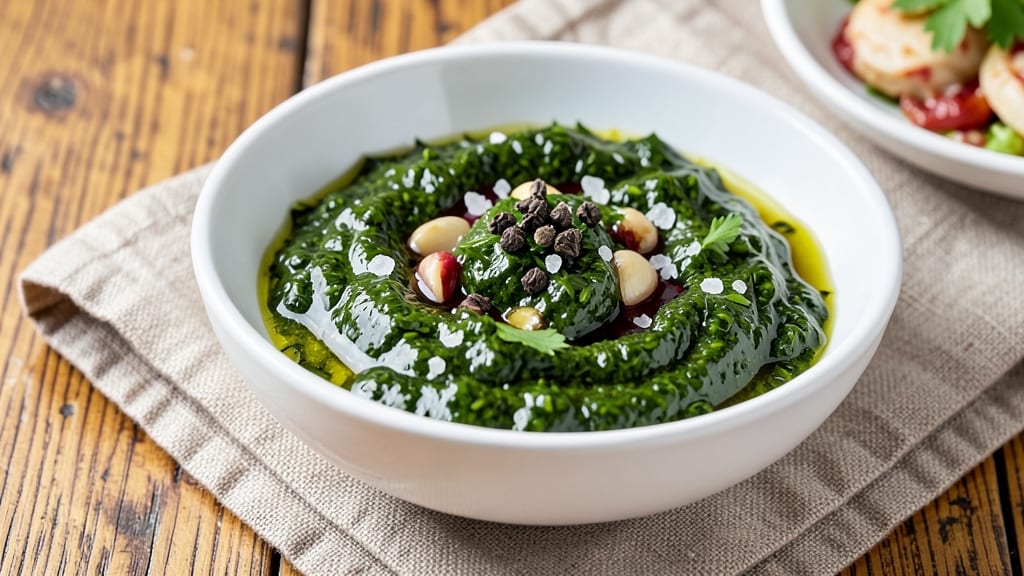
This Applebee's chimichurri sauce recipe brings that signature herb-packed brightness to your grilled favorites—just like the restaurant version. The secret lies in fresh parsley, garlic, and a touch of vinegar that creates a vibrant, tangy sauce perfect for meats or veggies.
I’ve simplified the process to deliver the same bold flavor without the fuss, so you can enjoy restaurant-quality results at home.
The sauce is all about balance: bright, fresh herbs cut through rich flavors while the olive oil and vinegar add depth. Unlike traditional chimichurri, this version stays slightly thicker for easier dipping or drizzling.
It’s foolproof—no fancy techniques, just a few ingredients blended together in minutes. The key is using fresh parsley (no dried substitutes!) and letting the flavors meld for at least 10 minutes before serving.
What you’ll end up with is a herb-forward, slightly tangy sauce that elevates grilled chicken, steak, or even roasted vegetables. It’s versatile enough for weeknight dinners or weekend BBQs, and the bright green color makes it as visually appealing as it is delicious.
The best part? It keeps well in the fridge for up to a week, so you can make a batch ahead and enjoy it all week long.
Ready to transform your meals with this Applebee’s-inspired chimichurri? The instructions are simple, and the results are undeniably flavorful. Let’s get started!
Ingredients for applebee's chimichurri sauce
Fresh parsley and garlic meet olive oil and vinegar for this restaurant-style chimichurri.
| Ingredient | Amount | Notes |
|---|---|---|
| Fresh Flat-Leaf Parsley 🌿 | 2 cups | Stems removed, tightly packed |
| Extra-Virgin Olive Oil 🫒 | ½ cup | High-quality, fruity variety |
| Red Wine Vinegar 🍷 | ¼ cup | Balsamic vinegar works too |
| Garlic Cloves 🧄 | 4 cloves | Fresh, peeled, roughly chopped |
| Diamond Crystal Kosher Salt 🧂 | 1 ½ tsp | Adjust to taste |
| Ground Black Pepper 🌶️ | ½ tsp | Freshly ground preferred |
| Red Bell Pepper 🌶️ | ½ cup | Diced, seeds removed |
| Fresh Cilantro 🌿 | ¼ cup | Optional, for extra freshness |
The parsley is non-negotiable here—farmers market or grocery store bunches with vibrant green leaves work best. Trader Joe's and Whole Foods carry the freshest varieties, but any store's parsley will do if it's crisp and bright. Garlic should be firm with no sprouts, and the red bell pepper adds subtle sweetness that balances the tang. I always grab extra parsley because it wilts fast once chopped, and you want plenty for that signature green color. The olive oil? California extra-virgin makes a difference—avoid the cheap stuff that tastes like soap.
No fresh parsley? Cilantro at half the amount works in a pinch, though it changes the flavor profile slightly. Swap red wine vinegar for lemon juice if you prefer brightness, but the acidity level will differ. The red bell pepper can be omitted if you're short on time, but it adds a nice texture contrast. For a smoother sauce, blend longer—food processor vs. immersion blender changes the consistency completely. Traditional chimichurri uses more vinegar, but this version stays thicker for dipping, so we dial it back slightly. Taste as you go—adjust salt and pepper to match your protein's seasoning.
This sauce keeps beautifully in the fridge for up to 7 days if stored in an airtight container with a thin layer of olive oil on top to preserve freshness. The color will fade slightly, but the flavor stays vibrant. For longer storage, freeze in ice cube trays—3 months max. I make double batches because it disappears fast during grilling season. The sauce thickens as it sits, so give it a quick stir before using. Perfect for marinating, dipping, or drizzling—just let it come to room temp before serving for the best texture.
Why You'll Love This Recipe
- No Pulse Required: I swear, you don’t even need a food processor—just a knife and a bowl. Between us, I’ve made this with my dullest chef’s knife while chatting on the phone, and it still comes out bright and herby. The parsley practically chops itself when you pile those thick stems in first.
- Garlic-Kissed Magic: That raw garlic and vinegar combo? It’s like a flavor grenade in the best way—bright, tangy, and just sharp enough to wake up any dish. I’ll be real: the first time I tasted it fresh off the spoon, I nearly spilled the whole jar.
- Steak Night’s Sidekick: This sauce turns grilled chicken into a showstopper, but honestly? It’s my secret weapon for tacos, scrambled eggs, or even a simple charcuterie board. My roommate’s a picky eater, and he actually asks for it now—no joke.
- Lasts All Week: Make a double batch and store it in the fridge. It keeps for ages (I’ve had it last 10 days, honestly), and the flavor only gets deeper. Plus, olive oil’s cheap, and parsley’s one of those “buy a bunch, use forever” ingredients. Win-win.
Step-by-step instructions for Applebee's chimichurri sauce recipe
Here's how to craft that signature herb-forward sauce that elevates grilled meats to new heights.
Prepare the Herb Base
Start by finely chopping the 2 cups Fresh Flat-Leaf Parsley and 0.25 cup Fresh Cilantro (if using) into a food processor. This ensures even distribution of flavors throughout the sauce. I like to pulse the herbs in short bursts rather than continuous blending—this preserves their texture and prevents them from turning into a paste.
Add the 0.5 cup diced Red Bell Pepper to the food processor and pulse again until everything is uniformly chopped but not puréed. The goal is a coarse, chunky texture that will add vibrant color and freshness to your dishes. You want to see visible flecks of herbs and peppers in your finished sauce.
Incorporate Garlic and Seasonings
Transfer the chopped herb mixture to a medium bowl. Add the 4 cloves roughly chopped Garlic Cloves, 1.5 teaspoons Diamond Crystal Kosher Salt, and 0.5 teaspoon Ground Black Pepper. Mix everything together with a wooden spoon until the garlic is evenly distributed and the salt and pepper are fully incorporated.
Here's the thing—don't rush this step. The garlic should be broken down but still visible as distinct pieces. Over-blending would turn this into a chimichurri smoothie, and we want that bright, herby bite in every spoonful. Taste the mixture at this stage—it should be vibrant, slightly peppery, and packed with garlic flavor.
Gradually Add Olive Oil
With the motor running on low speed, slowly drizzle in the 0.5 cup Extra-Virgin Olive Oil while blending continuously. This gradual approach emulsifies the sauce properly, creating that signature silky yet textured consistency. I use a whisk to help incorporate the oil more smoothly if I'm doing this by hand.
Real talk: Don't pour the oil all at once. Adding it slowly allows the herbs to absorb the oil evenly without creating a greasy separation. You want the sauce to look like a thick, vibrant pesto rather than a watery herb-infused oil. If it starts to look too thick, you can thin it with a splash of vinegar later.
Finish with Vinegar and Adjust Seasoning
Remove the sauce from the food processor and stir in the 0.25 cup Red Wine Vinegar. This acid component brightens the flavors and balances the richness of the olive oil. Give it a thorough mix, scraping down the sides of the bowl to ensure all ingredients are fully incorporated.
Taste and adjust the seasoning if needed. I usually find that another pinch of salt enhances the flavor profile, especially if you're using a mild red bell pepper. The sauce should be tangy, herby, and slightly garlicky with a perfect balance of acidity. If it's too thick to drizzle easily, add 1 teaspoon of water or vinegar at a time until you reach the desired consistency.
Rest and Serve
Cover the chimichurri sauce and let it rest at room temperature for at least 15 minutes before serving. This resting period allows the flavors to meld together perfectly. I've found that chimichurri tastes even better after it's had time to develop its full character—it's worth the wait.
Use the sauce immediately or store it in an airtight container in the refrigerator for up to 5 days. When ready to serve, give it a good stir and taste one last time to adjust the seasoning. This vibrant green sauce pairs beautifully with grilled meats, fish, or even as a zesty dip for crusty bread. The bright, herby flavors will make every bite unforgettable.
Pro Tips For Making Applebee'S Chimichurri Sauce
- Pulse, Don’t Chop: The second you grab that food processor, pulse the parsley in 2-second bursts—no more. I learned this after turning my chimichurri into a green paste that tasted like grass. You want tiny, uneven bits, not a smooth puree, or it’ll lose that bright, fresh texture Applebee’s nails.
- Use Cold Garlic: Peel and refrigerate those garlic cloves for 10 minutes before adding them. Cold garlic mellows the sharp bite and blends more smoothly into the oil, so you don’t end up with a sauce that tastes like a garlic punch to the face. Trust me, your tongue will thank you.
- Salt the Parsley First: Sprinkle the kosher salt directly over the parsley before pulsing it into the processor. This breaks down the leaves faster and ensures the salt dissolves evenly—no clumpy, salty surprises later. It’s the thing that makes the sauce taste balanced, not just seasoned.
- Let It Rest: Pour the chimichurri into a bowl and let it sit for 15 minutes before using it. The flavors meld, and the vinegar mellows just enough to avoid that harsh tang that hits you right away. I know, I know—you’re eager to drizzle—but waiting makes all the difference.
Best sauces and condiments for these flavors
Grilled Meat Pairings
This chimichurri shines brightest with grilled chicken breast or New York strip steak—just like at Applebee's. For chicken, brush the sauce on after cooking and let it sit for 2-3 minutes to develop flavor.
With steak, drizzle it over medium-rare cuts while still hot on the grill. I also love using it as a marinade for 6-8 hours before grilling—just coat the meat thoroughly and refrigerate. 🔥
For a vegetarian twist, toss it with grilled portobello mushrooms or eggplant slices—the tangy herbs cut through the earthiness beautifully. Even shrimp skewers benefit from this sauce; brush it on during the last 2 minutes of grilling to prevent overcooking.
The key is heat—chimichurri needs warmth to release its full aroma.
Dipping and Topping Uses
Skip the fries and serve this chimichurri as a dip for crusty bread or pita chips—it’s perfect for game day or appetizers. I like to arrange the bread on a platter with a small bowl of sauce in the center for easy dipping.
For extra flair, sprinkle with toasted sesame seeds or crumbled feta cheese before serving. 🌟
As a topping, it elevates grilled corn on the cob or roasted Brussels sprouts. Simply drizzle over the veggies and sprinkle with flaky sea salt for a restaurant-worthy side. The sauce’s acidity balances the sweetness of corn, while the herbs add a fresh contrast to Brussels sprouts’ bitterness.
Storage and Flavor Preservation
Store leftovers in an airtight container with a thin layer of olive oil on top to preserve freshness. The sauce keeps for 5-7 days in the fridge, though the color may fade slightly.
For longer storage, freeze in ice cube trays—thaw overnight in the fridge and stir before using. I always make a double batch because it disappears fast during grilling season. ❄️
If the sauce thickens after refrigeration, thin it with 1 teaspoon of water or vinegar before using. Avoid reheating—chimichurri is best served at room temperature. The flavors actually improve after resting, so let it sit for 10-15 minutes before serving for the best results.
Flavor Variations
Craving heat? Add ½ teaspoon of cayenne pepper or 1 teaspoon of hot sauce—like Tabasco—to the finished sauce. For a smoky twist, stir in ½ teaspoon of smoked paprika before blending. Both variations keep the sauce’s bright character while adding depth. 🌶️
Need a sweeter profile? Swap half the red wine vinegar for lemon juice and add 1 teaspoon of honey. This works beautifully with grilled pineapple or peaches. The balance of sweet and tangy flavors makes it a fantastic summer sauce for fruit-based dishes.
Nutrition facts
Frequently asked questions
Can I substitute cilantro for parsley in this recipe?
You can use cilantro as a partial substitute (about half the amount), but the flavor will differ slightly. Cilantro has a more citrusy, slightly soapy taste, while parsley provides a cleaner, brighter herbiness. For the closest Applebee's-style chimichurri, stick with parsley as the base—it's the secret to that signature vibrant flavor.
How do I adjust the thickness of this chimichurri sauce?
If your sauce is too thick, thin it with 1 teaspoon of vinegar or water at a time until it reaches a drizzling consistency. For a thicker version (like traditional chimichurri), reduce the olive oil to ¼ cup and blend longer. The key is balance—this recipe stays slightly thicker than classic versions for easy dipping.
Can I make this chimichurri ahead of time?
This sauce actually tastes better after 1-2 days of resting in the fridge. Store it in an airtight container with a thin layer of olive oil on top to preserve freshness. The flavors meld beautifully, and it keeps for up to 7 days. Just stir well before using and let it come to room temperature before serving.
What's the best way to use leftover chimichurri?
Leftover chimichurri works beautifully as a marinade (6-8 hours max) or dipping sauce. Try it on grilled shrimp, chicken, or even as a topping for roasted potatoes. For extra flavor, add a pinch of salt and a splash of vinegar before using. Avoid reheating—chimichurri is best served at room temperature.
Why does my chimichurri separate when stored?
Separation happens when the oil and vinegar aren't properly emulsified. To fix it, whisk vigorously or blend briefly with a splash of vinegar. For prevention, add the olive oil very slowly while blending and let the sauce rest for 15 minutes before storing. A thin layer of olive oil on top also helps maintain consistency.