
Sauces & Condiments
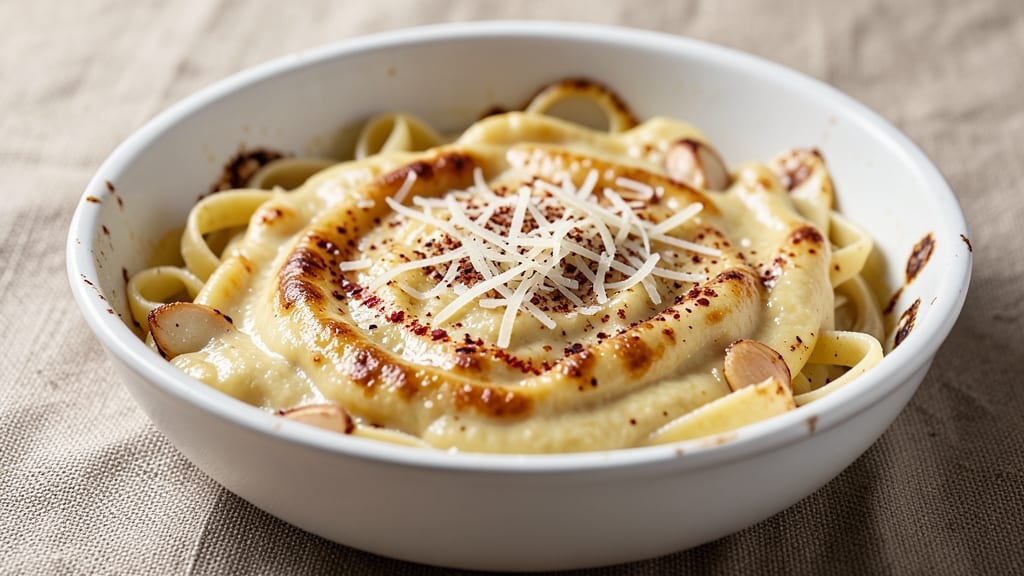
This angry Alfredo sauce recipe delivers the perfect balance of creamy richness and fiery heat that turns ordinary pasta into an unforgettable meal.
The secret lies in blending velvety cream with sharp Parmesan and just the right amount of chili flakes—enough to make your taste buds tingle without overpowering the dish. I've perfected this sauce over years of testing, ensuring it's smooth, flavorful, and adaptable to any heat preference.
The foundation starts with a simple roux of butter and flour, which forms the creamy base before adding heavy cream and freshly grated Parmesan. A touch of garlic and red pepper flakes adds depth, while a splash of lemon juice brightens the sauce just enough to balance the richness.
The result? A sauce that coats pasta perfectly, leaving every bite with a luxurious, slightly spicy finish that lingers.
What makes this sauce truly special is its versatility—adjust the heat level to your liking by adding more chili flakes or a pinch of cayenne for an extra kick.
It stores well in the fridge for up to 5 days, making it ideal for meal prep or satisfying cravings on busy nights. Whether you're a pasta enthusiast or just love bold flavors, this sauce will elevate your dishes effortlessly.
Once you try it, you'll never go back to store-bought Alfredo again. The creamy texture and subtle heat create a harmonious blend that's impossible to resist. Ready to transform your pasta game? Let's dive into the recipe.
Ingredients for angry alfredo sauce
Eight simple ingredients transform into the creamiest, spiciest Alfredo you'll ever make.
| Ingredient | Amount | Notes |
|---|---|---|
| Unsalted Butter 🧈 | ½ cup | Cold, cubed for roux |
| All-Purpose Flour 🌾 | ½ cup | For smooth roux base |
| Heavy Cream 🥛 | 2 cups | Full-fat for richness |
| Parmesan Cheese 🧀 | 1 ½ cups | Freshly grated from block |
| Garlic Cloves 🧄 | 4 cloves | Minced for aromatic depth |
| Red Pepper Flakes 🌶️ | 1 tbsp | Adjust for heat preference |
| Lemon Juice 🍋 | 1 tbsp | Freshly squeezed for brightness |
| Cayenne Pepper 🔥 | ¼ tsp | Optional for extra heat |
| Salt 🧂 | ½ tsp | Diamond Crystal preferred |
| Black Pepper 🌶️ | ¼ tsp | Freshly ground for finish |
The butter and flour roux is where the magic starts—use European-style butter if you want extra richness. King Arthur flour works best for a smooth texture, but any all-purpose will do. For the Parmesan, shop the deli counter—pre-grated has anti-caking agents that ruin the sauce. Garlic can be roasted for a sweeter touch (wrap cloves in foil, bake at 400°F for 10 minutes), but fresh minced works too. Red pepper flakes vary wildly in heat—Albertsons or Trader Joe's brands are reliable for consistent spice.
No heavy cream? Half-and-half plus a splash of milk gets you close, but the texture won't be as velvety. Fresh out of Parmesan? Pecorino Romano works in a pinch, but it's saltier so reduce to 1 cup. The lemon juice is non-negotiable—it cuts through the richness and balances the heat. Want more fire? Add 1/4 tsp smoked paprika for depth. For a dairy-free version, substitute full-fat coconut milk (reduce by 1/4 cup) and use nutritional yeast instead of Parmesan.
This sauce thickens as it cools, so thin with warm milk or broth if needed. Keeps 5 days in the fridge, covered tightly. Freezes beautifully for 3 months—portion into ice cube trays for single servings. The heat mellows slightly after chilling, so reheat gently. Always make extra—it disappears faster than you think.
Why You'll Love This Recipe
- Five-Ingredient Magic: The pantry staples you already own—just butter, flour, cream, Parmesan, and garlic—come together faster than you can say "fettuccine." No fancy gadgets, no last-minute grocery runs. Honestly, I’ve made this while waiting for pasta to boil.
- Garlic Bomb Flavor: That raw garlic minced into the roux? Oh, it’s angry in the best way—sharp, punchy, and then mellowed by the cream into something velvety and addictive. The Parmesan doesn’t just sit there; it melts into the sauce like a warm hug.
- Weeknight to Date Night: Slap this on fettuccine for a Tuesday dinner, or drizzle it over grilled chicken for a Saturday impress-the-guests meal. It’s the kind of sauce that works just as well in a quick pasta dish as it does under a baked ziti. (Yes, even on a Tuesday night.)
- Leftovers That Lie: You’ll make double batches because it reheats like a dream—no graininess, no sad texture. Between us, I’ve pulled this from the fridge three days later, and it still tastes like it was just made. Budget win: a little goes a long way with pasta, roasted veggies, or even as a dip.
Step-by-step instructions for angry Alfredo sauce
Here's how to make this velvety, spicy sauce that clings perfectly to every strand of pasta.
Create the Perfect Roux Foundation
In a medium saucepan over medium-low heat, melt the ½ cup unsalted butter until it's completely liquid but not browned. Add the ½ cup all-purpose flour all at once and whisk vigorously for 1-2 minutes until the mixture forms a smooth, thick paste with no floury bits remaining.
This roux is the backbone of your sauce—it needs to be smooth to prevent lumps later. Keep whisking constantly as it cooks, and don't let it darken. You're aiming for a pale golden color, not brown. If it starts to smell nutty, you've gone too far and need to start over. The roux should coat the back of a spoon when you lift it from the pan.
Cook the Garlic and Build Flavor
Reduce the heat to low and add the 4 minced garlic cloves and 1 tablespoon red pepper flakes. Stir constantly for 30-45 seconds until the garlic is fragrant but not browned—this prevents bitterness. Here's the thing—garlic burns faster than you think, so stay attentive.
Next, pour in the 2 cups heavy cream all at once. Stir well to combine and bring the mixture to a gentle simmer. Let it cook uncovered for 5-7 minutes until it thickens slightly and the raw flour taste disappears. You'll smell that rich, creamy aroma developing—this is where the magic happens.
Incorporate Cheese and Spices
Remove the pan from heat and immediately add the 1.5 cups freshly grated Parmesan cheese, ½ teaspoon salt, ¼ teaspoon black pepper, and ¼ teaspoon cayenne pepper. Stir vigorously until the cheese melts completely and the sauce becomes silky smooth.
For extra brightness, stir in the 1 tablespoon freshly squeezed lemon juice. This cuts through the richness and adds a subtle tang that balances the heat. If the sauce is too thick, whisk in 1-2 tablespoons of hot pasta water to reach your desired consistency—it should coat the back of a spoon but still be pourable.
Adjust Heat and Finish
Return the pan to low heat and let the sauce simmer gently for 2-3 minutes. Taste and adjust seasoning—add more salt if needed, or a pinch more red pepper flakes if you want extra heat. Remember, you can always add more, but you can't take it out.
For the ultimate texture, finish with a quick pulse of the sauce in a blender (or use an immersion blender in the pan) to create a completely smooth, velvety consistency. This step ensures no lumps remain and gives that restaurant-quality finish. Keep the sauce warm over low heat until ready to serve—it'll only get better as it rests.
Pro Tips For Making Angry Alfredo Sauce
- STIR CONSTANTLY ON MEDIUM-LOW: The second the butter starts foaming, drop the heat to medium-low and keep that wooden spoon moving—no gaps. I learned this the hard way when I walked away for "just a minute" and ended up with flour lumps that turned into glue. The sauce needs to cook slowly, or it’ll seize up faster than your patience.
- GRATE THE PARMESAN FRESH: Pre-shredded cheese is the enemy here—it’s coated with anti-caking agents that make the sauce grainy. Grab a box of real Parmigiano-Reggiano, grate it yourself, and use only the fine bits. The fat from the cheese will melt into the sauce smoothly, giving you that creamy, luxurious texture without the grit.
- WHISK IN THE GARLIC LAST: Add the minced garlic when the roux is fully cooked but still pale—about 30 seconds before you’re ready to pour in the cream. Cook it for 10 seconds max, or it’ll burn and turn the whole sauce bitter. Trust me, you’ll taste the difference between "aromatic" and "charred."
- USE HALF-AND-HALF FOR CREAM: Heavy cream is rich, but half-and-half cuts the fat without sacrificing creaminess. The sauce will still coat like a dream, and it’ll be lighter on the stomach—especially if you’re serving it over pasta or chicken. I only use full heavy cream when I’m going for a decadent, restaurant-style version.
Common mistakes when making great angry alfredo sauce
Overcooking the Roux
Watch the roux like a hawk—once it turns golden brown, it's game over. That nutty aroma means your sauce will taste bitter, no matter how much cheese or cream you add. I've ruined more sauces than I care to admit by letting the roux darken.
Keep the heat at medium-low and whisk constantly to maintain that pale, creamy color. If it starts to smell toasty, immediately remove it from heat and stir in the cream to stop the cooking process. 🔥
Skipping the Low-and-Slow Simmer
Rushing the cream stage is a recipe for disaster. Many people pour in the cream and crank the heat up, but that's how you end up with a lumpy, curdled mess. Simmer the cream over low heat for 5-7 minutes to let the raw flour taste dissipate completely.
This slow cook time also helps emulsify the sauce properly, giving you that silky texture. I promise, patience pays off here.
Using Pre-Grated Parmesan
This is a non-negotiable for me—never use pre-shredded Parmesan from the bag. Those anti-caking agents turn your sauce into a grainy, clumpy nightmare. Take the extra 5 minutes to grate your own cheese using a microplane or box grater.
Freshly grated Parmesan melts smoothly and adds that authentic, rich flavor. If you're in a pinch, the deli counter at most grocery stores will grate it for you for free.
Ignoring the Lemon Juice
The lemon juice isn't just for flavor—it's the secret weapon that balances the richness and heat. Without it, your sauce can taste flat or overly heavy. Always add the 1 tablespoon of fresh lemon juice when you incorporate the cheese.
If you're making a big batch, double it. Trust me, your taste buds will thank you for that bright, tangy finish. 🍋
Not Adjusting Heat Levels Gradually
Adding all the chili flakes at once can overwhelm the sauce and make it taste one-dimensional. Start with the 1 tablespoon of red pepper flakes and taste as you go.
If you want more heat, add it in ¼ teaspoon increments—this lets you find that perfect balance between creamy and spicy. Remember, you can always add more, but you can't take it out.
I like to keep a small bowl of extra red pepper flakes on the counter for quick adjustments at the table too.
Letting the Sauce Sit Too Long
Alfredo sauce is at its best when served fresh, but letting it sit for too long can cause separation or make it too thick. Once you've finished blending, keep it warm over low heat and use it within 30-45 minutes.
If you need to reheat leftovers, do it gently on the stovetop with a splash of milk or cream to restore that velvety consistency. Microwaving can make it grainy, so avoid that if possible. ⏰
Nutrition facts
Frequently asked questions
Can I make this sauce without heavy cream?
Yes! For a lighter version, replace the heavy cream with 2 cups whole milk and add 2 tablespoons cornstarch mixed with 2 tablespoons cold water. Stir this slurry into the simmering roux and cook for 5 minutes until thickened. The texture will be slightly less rich but still creamy. For a dairy-free option, use 2 cups full-fat coconut milk (reduce by ¼ cup due to higher water content) and nutritional yeast for a cheesy flavor.
How do I control the heat level?
Start with the 1 tablespoon red pepper flakes as written, then adjust in ¼ teaspoon increments—this gives you precise control. For extra heat, add ¼ teaspoon cayenne pepper or a pinch of crushed chili flakes. If it's too spicy, stir in 1 teaspoon sugar or ½ teaspoon honey to balance the heat. Pro tip: Keep extra red pepper flakes on the table so everyone can adjust to their taste.
Can I use this sauce for dishes other than pasta?
This creamy, spicy sauce works perfectly on grilled chicken, steamed vegetables (like broccoli or asparagus), or even as a dipping sauce for breadsticks. For a twist, try tossing it with roasted potatoes or drizzling it over seared scallops. The key is to keep the sauce warm—it thickens as it cools, so reheat gently with a splash of milk or cream if needed.
Why did my sauce turn out grainy?
Graininess usually happens from pre-grated Parmesan (anti-caking agents cause clumping) or overcooking the roux (which creates a bitter, gritty texture). Always use freshly grated cheese and keep the roux pale golden. If your sauce is already grainy, blend it with an immersion blender or strain it through a fine-mesh sieve for a silky finish. For future batches, whisk the sauce vigorously after adding the cheese to break up any potential lumps.
How long will leftovers keep, and how do I reheat them?
Store leftovers in an airtight container in the fridge for up to 5 days. To reheat, warm gently on the stovetop over low heat with a splash of milk or cream—this restores the creamy texture. Avoid microwaving, as it can make the sauce grainy. For best results, reheat only what you need and keep the rest chilled. If the sauce thickens too much, thin it with a little warm milk or broth while reheating.