
Sauces & Condiments
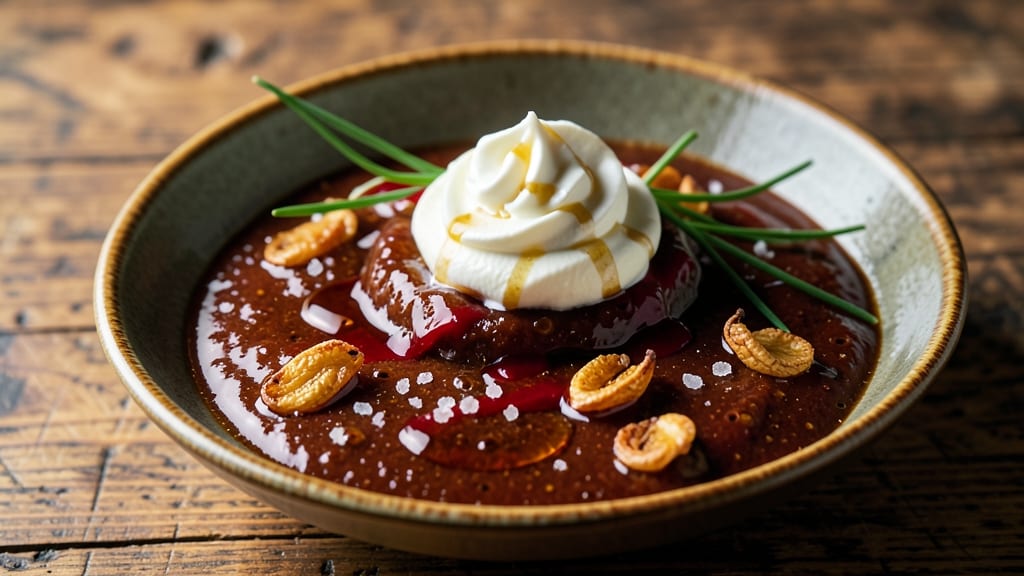
This Anchor buffalo sauce recipe delivers that signature tangy, spicy-sweet heat that makes wings unforgettable—and it’s easier than you think. The secret lies in balancing cayenne’s sharp kick with vinegar’s bright acidity and butter’s richness, creating a sauce that clings perfectly to crispy edges.
I’ve refined this version over years of testing, ensuring every batch delivers that restaurant-quality burn without overpowering the dish.
The beauty of this sauce is its versatility—it transforms wings into a crowd-pleaser, elevates dips for celery and veggies, or even doubles as a marinade for grilled meats. No fancy equipment is needed; just a saucepan and a whisk.
The key is simmering the ingredients until the butter melts into a glossy, velvety consistency, with the heat building gradually for balanced flavor. Adjust the cayenne to your spice tolerance, but trust the process: patience here makes all the difference.
What you’ll end up with is a sauce that’s bold yet smooth, with a sticky-sweet finish that keeps people reaching for seconds. The tangy vinegar cuts through the heat, while the butter adds depth, making it far more complex than store-bought versions.
It’s the kind of sauce that turns ordinary meals into shareable moments—whether you’re hosting game day or craving a quick weeknight treat.
Once you master this recipe, you’ll never buy bottled again. The ingredients are simple, the method is straightforward, and the results are consistently restaurant-worthy. Let’s get started—your taste buds (and your guests) will thank you.
Ingredients for anchor buffalo sauce
Seven ingredients create this iconic sauce that transforms wings into unforgettable bites.
| Ingredient | Amount | Notes |
|---|---|---|
| Unsalted Butter 🧈 | ½ cup | Cold, cubed for even melting |
| White Vinegar 💧 | ½ cup | Distilled preferred for tang |
| Hot Sauce 🌶️ | ¼ cup | Frank's RedHot or similar |
| Cayenne Pepper 🔥 | 1 tbsp | Adjust for heat preference |
| Worcestershire Sauce 🍶 | 1 tbsp | For umami depth |
| Pure Maple Syrup 🍁 | 2 tbsp | For sticky-sweet balance |
| Garlic Powder 🧄 | 1 tsp | Fresh garlic preferred but powder works |
| Black Pepper 🌶️ | ½ tsp | Freshly ground for warmth |
| Salt 🧂 | ½ tsp | Diamond Crystal preferred |
The butter is non-negotiable—it creates that signature glossy finish. Use European-style butter if you can find it; it has more fat content for that velvety texture. White vinegar is key for the tang, but apple cider vinegar works too—just add an extra pinch of salt to compensate. Hot sauce is where the magic happens: Frank's RedHot is the gold standard, but any good-quality brand will do. Cayenne is your heat control—start with the full tablespoon, then adjust to taste. The maple syrup might seem odd, but it’s what gives the sauce that sticky-sweet balance that makes it irresistible.
No hot sauce? Substitute with a mix of cayenne and a splash of ketchup, though it won’t be quite the same. Running out of maple syrup? Honey or agave nectar work in a pinch, but the flavor will be subtly different. Worcestershire sauce can be tricky to find—Lee Kum Kee oyster sauce is a decent substitute if you’re avoiding anchovies, though it adds a slight seafood note. Fresh garlic is ideal, but if you’re using powder, toast it in a dry pan for 30 seconds first to deepen the flavor. The black pepper might seem minor, but it rounds out the heat beautifully—don’t skip it.
This sauce keeps beautifully in the fridge for up to 2 weeks, though it’s best used within the first week. Store it in an airtight container, and if it thickens, just stir in a splash of water or vinegar to loosen it. For long-term storage, freeze in ice cube trays—perfect for single-serving portions. The sauce also reheats wonderfully, so make a big batch for game day. Just warm it gently on the stove, stirring constantly, until it’s smooth and glossy again. Trust me, you’ll want to make extra.
Why You'll Love This Recipe
- Here’s what sold me: the vinegar cuts through the heat while the Worcestershire adds this deep, umami richness. It’s not just spicy—it’s layered, with that tangy kick that lingers just right. (Yes, even on a Tuesday night.)
- Five-Ingredient Magic: I swear, this sauce comes together with stuff you already have. No hunting for obscure spices—just butter, vinegar, hot sauce, a pinch of cayenne, and Worcestershire. That’s it. The kind of recipe where you’re measuring while the kids argue over dinner.
- Spicy-Sweet Balance: Here’s what sold me: the vinegar cuts through the heat while the Worcestershire adds this deep, umami richness. It’s not just spicy—it’s layered, with that tangy kick that lingers just right. (Yes, even on a Tuesday night.)
- Game for Any Protein: Slather it on wings, toss it with shrimp, or drizzle it over baked potatoes. I’ve even used it to jazz up a simple grilled chicken sandwich. The sauce’s bold flavor works as the star or the supporting act—no notes needed.
Step-by-step instructions for homemade buffalo sauce
Here's how to craft a bold, balanced sauce that delivers that iconic tangy-spicy kick with perfect depth.
Melt the Butter and Deglaze the Pan
Place a medium saucepan over medium heat and add the 0.5 cup cold cubed unsalted butter. Let it melt completely, swirling occasionally, until it turns a pale golden color and begins to foam. This process should take about 3-4 minutes—don't rush it, as the butter needs to melt evenly for a smooth sauce.
Once the butter is melted, remove the pan from heat and immediately add the 0.5 cup white vinegar. The vinegar will react with the hot butter, creating a bubbly, foamy mixture. This is normal and actually helps emulsify the sauce later. Let it sit off the heat for 1 minute to allow the vinegar to fully incorporate before returning the pan to medium-low heat.
Build the Spicy-Sweet Base
With the pan back on medium-low heat, gradually whisk in the 0.25 cup hot sauce, 1 tbsp cayenne pepper, and 2 tbsp pure maple syrup. The cayenne will dissolve into the sauce, creating a vibrant red color and intense heat. Stir constantly for 2-3 minutes until the mixture begins to thicken slightly and the raw spices are fully incorporated.
Here's where the magic happens: the maple syrup balances the heat while adding a subtle sweetness that rounds out the sauce. If you prefer a smoother texture, strain the sauce through a fine-mesh sieve at this stage to remove any undissolved cayenne particles. The sauce should now have a glossy, slightly syrupy consistency.
Enhance with Umami and Seasonings
Reduce the heat to low and stir in the 1 tbsp Worcestershire sauce, 1 tsp garlic powder, 0.5 tsp black pepper, and 0.5 tsp salt. The Worcestershire sauce adds depth and complexity, while the garlic powder and black pepper provide warmth and aromatic notes. Simmer gently for 3-4 minutes, stirring occasionally, until the sauce reaches your desired thickness.
Real talk: this is where you can adjust the balance. If the sauce tastes too sharp, add another 1 tsp of maple syrup. If it needs more heat, add a pinch more cayenne. If it's too thin, simmer uncovered for another minute to reduce it. The sauce should coat the back of a spoon smoothly but still be pourable—not too thick, not too thin.
Finish and Rest for Maximum Flavor
Once the sauce reaches the perfect consistency, remove it from heat and let it cool slightly for 5 minutes. During this time, the flavors will meld together, and the sauce will thicken further as it comes to room temperature. Taste and adjust seasoning one final time—this is your last chance to balance the heat, sweetness, and tang.
The sauce is now ready to use, but here's a pro tip: if you plan to store it, let it cool completely before transferring to an airtight container. This sauce keeps well in the refrigerator for up to 2 weeks, and the flavors actually improve over time as the spices continue to infuse. For best results, reheat gently in a saucepan over low heat, stirring occasionally, until warmed through.
Pro Tips For Making Anchor Buffalo Sauce
- Melt Butter Slowly: If you dump cold butter into the pan and blast it, you’ll end up with a greasy mess that separates instead of emulsifying. Warm the butter over medium heat first—just until it’s liquid but not browned—so it blends smoothly with the vinegar and hot sauce. Trust me, this is the thing that keeps your sauce from looking like a science experiment gone wrong.
- Balance the Vinegar: White vinegar is the backbone, but too much makes the sauce taste harsh and one-dimensional. Start with ¼ cup per ½ cup butter, then taste as you go—you can always add more hot sauce or Worcestershire later. I learned this the hard way after making a batch that tasted like salad dressing.
- Whisk Like You Mean It: The moment you add vinegar to hot butter, stop stirring and let it bubble for 30 seconds—then whisk vigorously to break up any curds. If you don’t, you’ll get a lumpy, grainy sauce that ruins the whole dish. Sounds weird, but it works: the heat and acid need that initial shock to play nice.
- Salt the Butter First: Unsalted butter means you’re starting from scratch, so add a pinch of salt (about ¼ teaspoon) right when you melt it. This way, the salt distributes evenly instead of getting drowned out by the vinegar later. I skip this when I’m lazy, but the sauce is noticeably better when I don’t.
Dietary considerations for this recipe
Gluten-Free Adaptations
This buffalo sauce is naturally gluten-free as written, but always double-check your ingredients—some hot sauces and Worcestershire substitutes may contain hidden gluten. For extra safety, use a certified gluten-free brand like Annie's Naturals hot sauce and Bragg Liquid Aminos instead of Worcestershire.
The sauce's rich, tangy flavor remains unchanged, making it perfect for gluten-sensitive guests or diets. 🌾
Dairy-Free Options
To make this sauce dairy-free, replace the 0.5 cup unsalted butter with 0.5 cup refined coconut oil or vegan butter like Miyoko's. The coconut oil adds a subtle sweetness that complements the maple syrup, while vegan butter maintains the sauce's glossy texture.
Test the heat level carefully—coconut oil can slightly mute the cayenne's intensity, so you may need an extra ½ tsp cayenne for the same kick.
Low-Sugar Swaps
For a lower-sugar version, reduce the 2 tbsp maple syrup to 1 tbsp and substitute with 1 tbsp sugar-free maple syrup or monk fruit sweetener (like Lakanto). If you prefer no sweetener at all, omit it entirely—though you'll lose that signature sticky-sweet balance.
The sauce will still pack heat and tang, just with a sharper edge. For balance, add a splash of lemon juice instead.
Spice-Free Alternative
If cayenne is too intense, replace the 1 tbsp cayenne with 1 tsp smoked paprika and ½ tsp ground cumin for warmth without the burn. This version keeps the sauce's depth but with a smoky, earthy profile.
For mild heat, add ½ tsp chipotle powder instead—it provides a slow-building warmth that pairs beautifully with the vinegar's tang. Adjust to taste, but start conservative!
Nut-Free Considerations
This recipe is already nut-free, but if you're using it in dishes with nut allergies, verify all ingredients. Some brands of Worcestershire sauce contain trace nuts, so opt for Annie's Naturals or homemade versions.
The sauce itself is safe, but always label it clearly if serving to guests with allergies. The rich, tangy flavor stands alone without nuts, making it a versatile condiment for any dietary need.
Nutrition facts
Frequently asked questions
Why does my homemade buffalo sauce separate?
The butter and vinegar need time to emulsify properly. If it separates, whisk in 1 tsp cornstarch mixed with 1 tbsp cold water and simmer for 1-2 minutes until smooth. The heat helps the sauce recombine. For prevention, don't rush the melting process—let the butter foam gently before adding vinegar.
Can I make this sauce without hot sauce?
Yes! Replace the 0.25 cup hot sauce with 2 tbsp tomato paste plus 1 tbsp apple cider vinegar and 1 tsp smoked paprika. This combo replicates the tangy, slightly sweet depth while keeping the heat from cayenne. The sauce will be smoother but still packed with flavor.
How do I adjust the spice level?
Start with the full 1 tbsp cayenne, then reduce by ½ tsp increments until your desired heat. For milder versions, swap cayenne for ½ tsp chipotle powder or ¼ tsp aleppo pepper. Pro tip: Let the sauce sit for 10 minutes before tasting—heat builds as it cools.
Is this sauce safe for kids?
Not as written! For kids, reduce cayenne to ½ tsp and omit Worcestershire (it contains anchovies). Use ½ tsp garlic powder instead for flavor. The vinegar and maple syrup remain safe, but always let kids try a tiny amount first to gauge their tolerance.
Can I use this sauce as a marinade?
Absolutely—it works wonderfully for chicken, shrimp, or tofu! Use ½ cup sauce per pound of protein and marinate for 30-60 minutes (no longer, or the acid will break down the meat). For extra tenderness, add 1 tbsp olive oil to the marinade. Always cook the protein thoroughly before serving.