
Sauces & Condiments
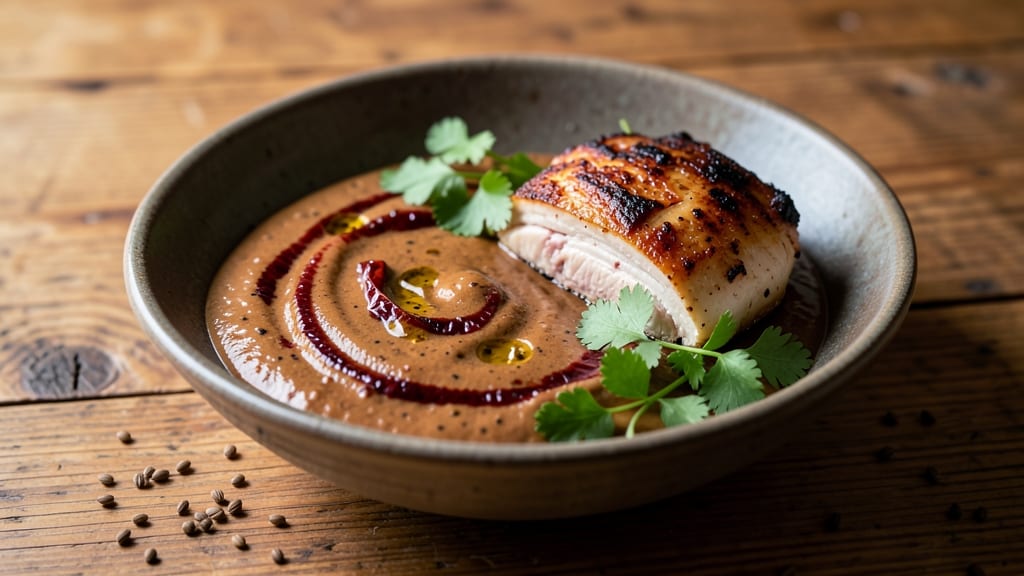
This ancho chili cream sauce transforms ordinary dishes into smoky-sweet masterpieces with just a few simple ingredients. The deep, earthy flavor of roasted ancho chiles blends seamlessly with rich cream, creating a velvety sauce that elevates tacos, enchiladas, or even grilled vegetables.
I developed this recipe after craving that perfect balance of smoky heat and creamy comfort—without the fuss of traditional chili recipes.
The secret lies in rehydrating the ancho chiles properly to unlock their full flavor, then blending them into a smooth paste with garlic, cream, and a touch of cumin. This sauce is versatile, vegetarian-friendly, and ready in under 20 minutes—no complicated techniques required.
The result is a creamy, slightly spicy dip that clings beautifully to food, adding depth with every bite.
What makes this sauce truly special is its ability to adapt to any dish. Use it as a dip for tortilla chips, a topping for enchiladas, or a creamy sauce for pasta. The smoky-sweet profile pairs perfectly with grilled meats, roasted vegetables, or even as a marinade.
Plus, it stores well in the fridge for up to a week, making it a go-to for quick meals.
For those avoiding dairy, a coconut milk or cashew cream alternative works just as well—simply adjust the thickness to your preference. Here’s how to make it, step by step, for a sauce that’s as impressive as it is easy.
Ingredients for ancho cream sauce
Eight essential ingredients create this velvety ancho chili cream sauce perfect for tacos and beyond.
| Ingredient | Amount | Notes |
|---|---|---|
| Dried Ancho Chili Peppers 🌶️ | 4 whole | Stems and seeds removed |
| Heavy Cream 🥛 | 1 cup | Full-fat for best texture |
| Garlic Cloves 🧄 | 3 cloves | Peeled and roughly chopped |
| Extra-Virgin Olive Oil 🫒 | ¼ cup | For smooth blending |
| Ground Cumin 🌿 | ½ tsp | Toasted for deeper flavor |
| Salt 🧂 | ½ tsp | Diamond Crystal preferred |
| White Vinegar 🍶 | 1 tbsp | Balances richness |
| Granulated Sugar 🍚 | 1 tbsp | Adjusts sweetness |
Ancho chiles are the heart of this sauce—look for dried, deep red pods at Latin markets or specialty stores like Whole Foods. They should be plump and free of moisture. If using store-bought, check the package date—older chiles lose their smoky depth. For extra flavor, toast them lightly in a dry skillet before rehydrating. The heavy cream is non-negotiable here; light cream or half-and-half will result in a thinner, less luxurious texture. Toasting the cumin in a dry pan for 30 seconds before adding enhances its earthy notes significantly.
No ancho chiles? Dried guajillo or pasilla peppers work in a pinch, though the flavor profile shifts slightly toward fruitier undertones. Short on cream? Full-fat coconut milk delivers a similar richness, though with a subtle coconut flavor. The vinegar and sugar balance the sauce's smokiness—adjust to taste, but don't skip them entirely. For a dairy-free version, cashew cream (blend 1 cup soaked cashews with 1 cup water) replicates the velvety consistency beautifully. The olive oil acts as an emulsifier, so don't substitute with butter—it can curdle when blended.
This sauce thickens as it sits, so stir well before each use. Store in an airtight container in the fridge for up to 1 week, with a thin layer of olive oil on top to preserve freshness. For longer storage, freeze in ice cube trays—thaw and whisk to restore smoothness. The flavor actually improves after 24 hours, as the ingredients meld. If the sauce separates slightly upon reheating, simply whisk vigorously to re-emulsify.
Why You'll Love This Recipe
- Pantry Magic: I swear by this recipe—no fresh herbs, no fancy prep. Just dried anchos soaking in warm water (five minutes, tops) while I chop garlic and toast cumin. The sauce comes together in one pot, and honestly? That’s all it takes.
- Smoky Creamy Bliss: The moment the heavy cream hits the toasted garlic and cumin? Rich, velvety, with just a whisper of smoky heat. It’s the kind of flavor that makes you pause mid-stir and go, “Wait, is this that good?”
- Weeknight to Dinner Party: Slather it over grilled chicken for a Tuesday night win. Drizzle it on enchiladas for your in-laws’ visit. Freeze half for later—it’s my go-to when I need something impressive without the fuss. (Yes, even on a Tuesday night.)
- Budget-Friendly Luxury: Dried anchos last forever, and a single can of cream stretches to four meals. I’ve made this sauce for $3 a serving, and it still tastes like I spent an hour in the kitchen. Between us, that’s a steal.
Step-by-step instructions for ancho chili cream sauce
This method delivers a perfectly balanced sauce with deep ancho flavor and velvety texture every time.
Toast the Dried Ancho Chili Peppers
Preheat your oven to 350°F. Place the 4 whole dried ancho chili peppers on a baking sheet and toast for 3-4 minutes until they darken slightly and release their fragrant aroma. This step enhances their natural sweetness and deepens their smoky character.
Watch closely—they should smell rich and earthy, not burnt. Remove immediately when they begin to darken at the edges. Let them cool completely before handling, as they'll be quite hot. This brief toasting removes any potential bitterness while preserving the complex flavor profile that makes ancho chilis so special.
Rehydrate the Peppers and Blend
Transfer the toasted peppers to a heatproof bowl and pour 1 cup of boiling water over them. Let them soak for 15-20 minutes until completely softened. The water will turn a deep reddish-brown color as the peppers release their flavor.
Drain the peppers through a fine-mesh strainer, reserving the liquid. Transfer the softened peppers to a blender along with the 1 cup heavy cream, 3 cloves roughly chopped garlic, 0.25 cup extra-virgin olive oil, 0.5 teaspoon ground cumin, 0.5 teaspoon salt, 1 tablespoon white vinegar, and 1 tablespoon granulated sugar.
Blend Until Silky Smooth
Blend the mixture on high speed for 1-2 minutes until completely smooth, scraping down the sides as needed. The sauce should be velvety with no visible texture. Taste and adjust seasoning if needed—you may need a touch more salt or sugar to balance the flavors.
Here's the thing—this is where the magic happens. The blending process emulsifies the cream with the pepper-infused liquid, creating that signature smooth yet flavorful texture. If the sauce looks too thick, add 1-2 tablespoons of reserved pepper soaking liquid to reach your desired consistency. The sauce should coat the back of a spoon but still pour smoothly.
Simmer for Depth of Flavor
Transfer the blended sauce to a saucepan and place it over medium-low heat. Stir gently and simmer for 5-7 minutes, stirring occasionally, until the flavors meld together. You'll notice the sauce develop a more complex aroma as the heat brings out the smoky-sweet notes of the ancho chilis.
Don't let it boil—just maintain a gentle simmer. This slow cooking process allows the flavors to develop fully without breaking the emulsion. The sauce should be warm but not hot to the touch. Once heated through, remove from heat and let it cool slightly before serving. The sauce will thicken slightly as it cools, so adjust with a splash of warm water if needed.
Pro Tips For Making Ancho Cream Sauce
- STEAM THE ANCHOS: I learned this the hard way—tossing dried ancho peppers straight into hot oil makes them bitter and burns easily. Instead, steam them in a bowl over simmering water for 10 minutes first. They’ll soften perfectly, release their depth without harshness, and you won’t risk turning your sauce into chili-flavored regret.
- SWEAT GARLIC LOW AND SLOW: High heat turns garlic into bitter ashes, and that’s the last thing you want in a creamy sauce. Cook the minced garlic in olive oil over low heat until it’s just golden—about 5 minutes—stirring constantly. The aroma will fill your kitchen, and the flavor won’t overpower the ancho’s smoky sweetness.
- TEMPE THE CREAM GRADUALLY: After removing the anchos, resist the urge to dump in the heavy cream all at once. Instead, whisk in a splash at a time while keeping the pan on low heat. This prevents curdling and lets the sauce emulsify smoothly. (Yes, it’s tedious, but your sauce will thank you.)
- TOAST THE CUMIN FIRST: Ground cumin loses its earthy punch when cooked raw. Dry-toast it in the same pan as the garlic for 30 seconds until fragrant—just until you smell it, not until it browns. This small step makes the sauce taste deeper, like it’s been simmering for hours instead of minutes.
Flavor customization for this ancho cream sauce
Spice Level Control
Adjust the heat by controlling the number of ancho chiles—use 3 for mild, 4 for medium, or 5 for spicy. For extra kick, add ½ teaspoon cayenne pepper to the blend.
I like toasting the chiles longer for deeper smokiness, but watch closely to avoid burning. 🌶️
Sweetness Balance
The 1 tablespoon sugar enhances the natural sweetness of the ancho chiles. For a fruitier profile, add ½ teaspoon orange zest or 1 teaspoon honey.
If you prefer tangier, increase the white vinegar to 2 tablespoons. Taste as you go—this sauce should dance between smoky, sweet, and slightly acidic.
Creamy Alternatives
For a dairy-free version, replace heavy cream with 1 cup full-fat coconut milk or cashew cream (blend 1 cup soaked cashews with 1 cup water).
For a lighter texture, use Greek yogurt (strain excess liquid) or sour cream. Each alternative changes the mouthfeel—coconut adds subtle sweetness, while yogurt introduces tang.
Herb Variations
Boost freshness with 1 tablespoon chopped cilantro or thyme leaves during blending. For depth, add ½ teaspoon smoked paprika or 1 teaspoon dried oregano. I love a mix of cilantro and lime juice (add 1 tablespoon) for a bright finish.
Herbs should be added last to preserve their vibrant notes.
Texture Adjustments
For a chunkier sauce, blend only 2 of the 4 chiles and strain the mixture. For extra smoothness, strain the blended sauce through a fine-mesh sieve.
If too thick, thin with warm water or reserved pepper soaking liquid. The ideal consistency should cling to food without dripping. 💫
Flavor Boosters
Add 1 teaspoon apple cider vinegar for depth or ½ teaspoon ground coriander for citrusy warmth. For umami, stir in 1 tablespoon nutritional yeast or ½ teaspoon soy sauce (reduces slightly). These tweaks elevate the sauce from good to restaurant-worthy without overpowering the ancho’s natural flavor.
Nutrition facts
Frequently asked questions
Can I substitute ancho chiles with other dried peppers?
Yes! For a similar flavor, use guajillo or pasilla peppers—they're fruitier but work well. For extra heat, try mulato chiles. Just adjust the quantity: 3-4 guajillo equal 1 ancho in heat level. Toast and rehydrate them the same way to maintain consistency.
How do I fix a sauce that separated after reheating?
Simply whisk vigorously for 1-2 minutes to re-emulsify. If it still separates, blend in 1 tablespoon reserved pepper soaking liquid or a splash of warm water. The olive oil in the recipe helps stabilize, but gentle reheating (medium-low heat) prevents this issue. For extra insurance, stir constantly while warming.
What's the best way to store leftover sauce?
Transfer to an airtight container and refrigerate for up to 1 week. For longer storage, freeze in ice cube trays—thaw and whisk to restore smoothness. Always keep a thin layer of olive oil on top to preserve freshness. The flavor actually improves after 24 hours as ingredients meld.
Can I make this sauce ahead for a party?
Make it 1-2 days ahead for deeper flavor. Store in the fridge and reheat gently before serving. For a crowd, double the recipe—this sauce keeps beautifully for 3-4 days refrigerated. Just stir well before using, as it thickens when chilled. Perfect for buffet-style gatherings!
Why does my sauce taste bitter?
Over-toasted chiles or skipping the vinegar/sugar balance can cause bitterness. Toast chiles just until fragrant (3-4 minutes), not charred. Add ½ teaspoon more sugar or 1 extra tablespoon vinegar to brighten the flavor. Always taste as you blend to adjust early.