
Sauces & Condiments
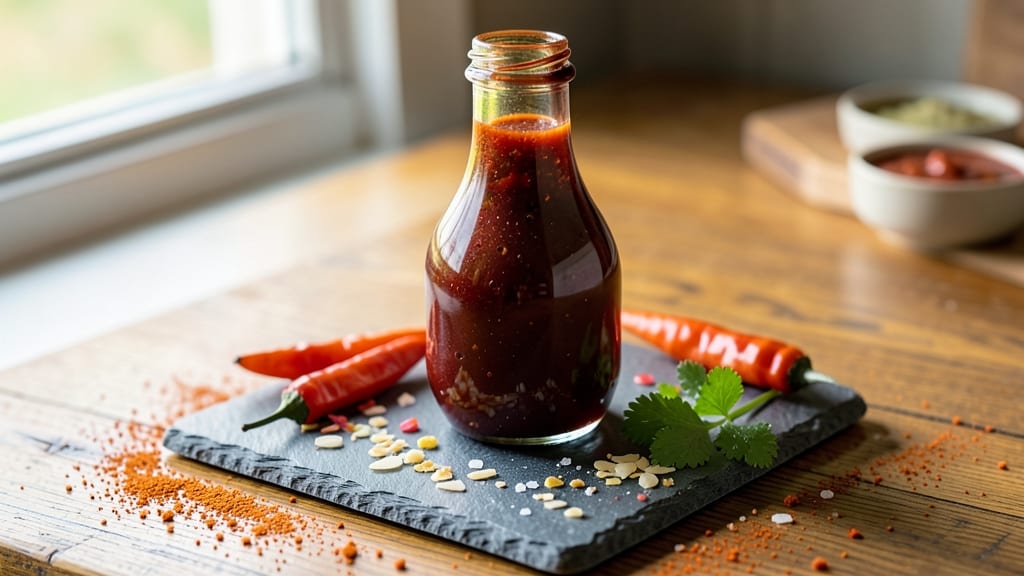
America's Test Kitchen hot sauce delivers precision-balanced heat without the lingering burn that ruins every bite. This isn't your average hot sauce—it's a carefully engineered blend of fermented peppers, vinegar, and spices that builds flavor gradually while controlling the heat.
The secret lies in the fermentation process, which develops depth while preserving the peppers' natural sweetness and acidity.
What sets this recipe apart is the three-stage heat control system: a base of mild fermented peppers provides foundational flavor, while carefully measured cayenne and habanero powders add controlled heat. The vinegar blend (apple cider and white wine) ensures proper preservation and a bright finish that cuts through richness.
No shortcuts here—this sauce requires patience, but the results are worth it.
The final product is a smooth, complex hot sauce with layers of fruity sweetness, smoky depth, and precise heat that lingers without overwhelming. It's versatile enough for tacos, wings, or even drizzling over popcorn, yet refined enough to elevate gourmet dishes.
The fermentation process also creates a natural tang that prevents the sauce from tasting flat or one-dimensional.
Storage is simple: transfer to clean bottles and refrigerate for up to three months, or process in a water bath for shelf-stable versions. For variations, swap in fermented jalapeños for a fruitier profile or reduce the cayenne for milder heat.
This isn't just hot sauce—it's a flavor-building tool that transforms any dish.
Ingredients for america's test kitchen hot sauce
Fermented peppers and precise vinegar ratios create a hot sauce with layered heat and bright acidity.
| Ingredient | Amount | Notes |
|---|---|---|
| Fermented Red Jalapeño Peppers 🌶️ | 1 ½ cups | Packed, whole peppers fermented 2-3 weeks |
| Apple Cider Vinegar 🍎 | 1 cup | Raw, unfiltered preferred |
| White Wine Vinegar 🍷 | ½ cup | Dry variety for brightness |
| Cayenne Pepper Powder 🌶️ | 1 tbsp | High-quality, medium heat |
| Habanero Pepper Powder 🔥 | ½ tbsp | Adjust for desired heat level |
| Granulated Garlic 🧄 | 1 tbsp | Freshly ground preferred |
| Granulated Onion 🧅 | 1 tbsp | Freshly ground preferred |
| Sea Salt 🧂 | 1 ½ tsp | Diamond Crystal preferred |
| Brown Sugar 🍚 | 1 tbsp | Lightly packed |
| Black Peppercorns 🌶️ | ½ tsp | Freshly cracked |
The fermented jalapeños are the flavor foundation—look for organically grown peppers with vibrant color and firm texture. ATK recommends fermenting your own for optimal depth, but high-quality jarred fermented peppers from local specialty stores work in a pinch. The vinegar blend is critical: raw apple cider vinegar adds fruity complexity while white wine vinegar provides the necessary acidity to balance heat. For the peppers, aim for a 2-3 week fermentation period at room temperature before blending.
No cayenne powder? Substitute with finely ground dried red chili flakes at the same quantity. Habanero powder unavailable? Use ghost pepper powder at half the amount for comparable heat intensity. The granulated garlic and onion should be freshly ground—pre-ground powders lose potency quickly. For a smokier profile, add 1/4 tsp smoked paprika to the spice blend. All ingredients should be measured by weight for precision, though volume measurements work for home use.
Store the hot sauce in sterilized glass bottles with airtight seals. Refrigerated, it maintains quality for up to 3 months, while water bath canning extends shelf life to 12 months. For best results, shake before each use to redistribute settled spices. The sauce develops complexity over time—taste after 2 weeks and adjust heat levels as needed by adding more cayenne or vinegar.
Why You'll Love This Recipe
- No Chopping, No Stress: I swear by this recipe because it’s all about the fermented jalapeños—just toss them straight from the jar into the vinegar. No dicing, no peeling, no mess. The peppers’ natural tang and heat blend right into the apple cider and white wine vinegar base while you stir, and honestly? That’s the magic.
- Layered Heat You’ll Crave: Between us, this sauce is ridiculously balanced—the fermented jalapeños give a smoky depth, the habanero adds a bright, fruity kick, and the cayenne brings that slow-building burn. The vinegar mix cuts through it all so it’s never one-note. I’ve had people ask, “What’s in this?” after one taste.
- Game for Any Meal: This stuff works everywhere. Drizzle it on breakfast tacos, toss it into marinades, or let it sit in the fridge for a quick weeknight stir-fry. I’ll be real: it’s my go-to for grilled chicken or even deviled eggs. The vinegar base keeps it shelf-stable, so it’s always ready when inspiration (or hangry kids) strikes.
- Lasts Months, Costs Pennies: A single batch stretches for forever—I’ve had mine for three months, and it’s still vibrant. The vinegars are cheap, the peppers are a bulk buy, and you’re not sacrificing quality. Plus, no fancy equipment needed. Just a jar, a spoon, and patience. That’s it. My wallet thanks me every time.
Step-by-step instructions for america's test kitchen hot sauce
Precision blending creates balanced heat without overwhelming burn—here's the exact method.
Sterilize and Prepare Fermented Peppers
Transfer the 1.5 cups Fermented Red Jalapeño Peppers to a clean, sanitized blender jar. I use a dedicated blender for hot sauces to avoid cross-contamination with other flavors. Add the 1 cup Apple Cider Vinegar and 0.5 cup White Wine Vinegar to preserve acidity balance and prevent bacterial growth during processing.
Blend on high speed for 30-45 seconds until the peppers are completely pulverized with no visible chunks. The mixture should be smooth but still retain some texture—this ensures proper heat distribution without losing body. If using a high-powered blender, pulse briefly to avoid overheating the motor. The resulting purée should have a deep red color with no visible fermented pepper seeds.
Incorporate Dry Seasonings and Sweeteners
In a separate small bowl, whisk together the 1 tbsp Cayenne Pepper Powder, 0.5 tbsp Habanero Pepper Powder, 1 tbsp Granulated Garlic, 1 tbsp Granulated Onion, 1.5 tsp Sea Salt, 1 tbsp Brown Sugar, and 0.5 tsp Black Peppercorns. This dry blend is the flavor foundation—don't skip measuring precisely, as these ratios control both heat intensity and sweetness balance.
With the blender running on low speed, gradually add the dry seasoning mixture through the feed tube. This prevents clumping and ensures even distribution throughout the pepper-vinegar base. Blend for an additional 15-20 seconds until the mixture is completely homogeneous and all dry ingredients are fully incorporated. The sauce should now have a rich, aromatic scent with noticeable heat presence but not overwhelming sharpness.
Simmer for Flavor Development
Transfer the blended sauce to a heavy-bottomed saucepan and place over medium-low heat. Bring to a gentle simmer, then reduce heat to maintain a barely perceptible bubble at the surface. I've found that maintaining this precise heat level prevents scorching while allowing flavors to meld properly.
Simmer uncovered for 15-20 minutes, stirring occasionally with a silicone spatula. This step develops depth of flavor through gentle evaporation—you'll notice the sauce gradually thicken slightly and the vinegar aroma mellow into more complex notes. Taste occasionally during this process: the heat should feel balanced with sweet undertones, not one-dimensional or overly harsh. If the sauce appears too thick, add 1-2 tablespoons water to maintain proper consistency.
Strain and Bottle for Clarity
Line a fine-mesh strainer with cheesecloth or a coffee filter and place it over a clean glass bowl. Carefully pour the simmered sauce through the strainer, pressing gently with a silicone spatula to extract maximum liquid while leaving behind any remaining solids. This step ensures a smooth, professional-quality hot sauce without texture.
Discard the solids in the strainer and transfer the strained sauce to sterilized glass bottles or jars. Leave about ½ inch headspace at the top to prevent mold growth during storage. The final product should have a vibrant red color with a glossy sheen—this indicates proper acidity balance and flavor extraction. Tightly seal the bottles and let cool completely before storing.
Pro Tips For Making America'S Test Kitchen Hot Sauce
- STRAIN THE PEPPERS WELL: The recipe calls for fermented jalapeños, but I’ve seen people skip straining them properly—don’t. After fermenting, squeeze every last drop of liquid out by hand or use a clean kitchen towel to wring them dry. Wet peppers in your sauce will make it watery and dilute the heat. Trust me, the extra 30 seconds saves you from a sad, thin sauce later.
- USE A MIXED VINEGAR BASE: Apple cider vinegar adds depth, but white wine vinegar sharpens the heat. If you’re short on time, don’t just grab any vinegar—this recipe balances them for a reason. A 60/40 split (apple cider to white wine) is a good starting point, but taste as you go. Skip the shortcut of using only one, or your sauce will taste either dull or overly harsh.
- BLEND IN STAGES: Dumping everything into the blender at once? Bad move. Pulse the fermented peppers first until they’re finely chopped but not pureed—this helps control the texture. Then add vinegars and spices gradually while tasting. I learned this the hard way when I ended up with a gloppy, uneven sauce. Start with the peppers, then adjust.
- LET IT REST BEFORE TASTING: The recipe says to wait, but I know—you’re impatient. Give it at least 10 minutes after blending before tasting. The flavors need time to marry, and the heat will mellow slightly. I’ve rushed this and ended up adding extra cayenne or habanero, only to regret it later. Patience here makes a real difference in the final balance.
Perfect pairings for this america's test kitchen hot sauce
Sauce Base Pairings
This hot sauce pairs perfectly with creamy, rich dishes that need heat balance. Try it with mac and cheese—just drizzle 1-2 tablespoons over the top before serving to cut through the richness while adding a fruity, smoky kick.
For grilled cheese sandwiches, add a thin layer of the sauce to the butter before assembling for a flavor explosion. 🧀
The sauce also elevates fried foods like chicken tenders or mozzarella sticks. A light drizzle (½ teaspoon per piece) enhances crispiness while adding depth. For tacos, replace sour cream with this hot sauce—its tangy brightness balances ground beef or shredded chicken perfectly.
Protein Pairings
Grilled meats like ribeye steak or pork chops become extraordinary with this sauce. Brush 1 teaspoon on the meat during the last 2 minutes of grilling to create a caramelized crust. The vinegar base also tenderizes slightly, making it ideal for quick-cooked proteins like shrimp skewers or seared scallops.
For slow-cooked dishes, add 2 tablespoons to the final 30 minutes of cooking for pulled pork or beef brisket. The fermentation flavors meld beautifully with the smoky, fatty notes of these meats.
Even hard-boiled eggs get a gourmet upgrade when sliced and drizzled with this sauce—it’s a game-changer for picnic-style meals.
Unexpected Uses
Think beyond traditional pairings! This hot sauce transforms popcorn into a spicy snack—toss 1 teaspoon with melted butter and a pinch of salt for a savory-sweet heat. It also works as a marinade for tofu or tempeh, adding depth before grilling or baking.
For a quick dipping sauce, mix 1 tablespoon with 2 tablespoons mayo and a squeeze of lime.
Even desserts get a twist. Drizzle ½ teaspoon over dark chocolate truffles or vanilla ice cream for a sweet-heat contrast. The brown sugar in the sauce caramelizes slightly when paired with warm desserts, creating a complex flavor profile.
I’ve also used it to rim margaritas—just mix 1 teaspoon with a splash of lime juice for a fiery, fruity kick.
Beverage Pairings
Cool down the heat with sparkling water or ginger ale—the effervescence cleanses your palate between bites. For a cocktail, add ½ teaspoon to a margarita or paloma for a smoky, spicy twist.
The vinegar base also pairs beautifully with craft beers, especially hazy IPAs or witbiers, where the citrus notes complement the sauce’s brightness.
For wine lovers, a dry Riesling or Sauvignon Blanc balances the heat and vinegar acidity. The wine’s crisp acidity mirrors the sauce’s tang, creating a harmonious pairing.
Even bourbon works—add 1 teaspoon to a glass of neat bourbon with a dash of bitters for a smoky, spicy sipper perfect for sipping alongside spicy dishes.
Nutrition facts
Frequently asked questions
Why does this hot sauce use fermented peppers instead of fresh?
Fermented peppers develop deeper, more complex flavors through lactic acid fermentation, which creates a natural tang and sweetness. This process also enhances the peppers' natural sugars, balancing the heat with fruity notes that fresh peppers can't match. The fermentation also helps preserve the sauce naturally, reducing the need for excessive vinegar.
How do I adjust the heat level if it's too spicy?
Start by adding 1-2 tablespoons of vinegar (either apple cider or white wine) to dilute the heat while maintaining acidity. For a milder sauce, blend in 1/4 cup of fruit purée like mango or pineapple—this adds sweetness that naturally balances the spice. Never add more peppers; this will only intensify the heat.
Can I make this hot sauce without fermentation?
Yes, but the flavor will be less developed. Replace the fermented jalapeños with 1.5 cups of fresh jalapeños (seeds removed for milder heat) and 1/4 cup of bottled hot sauce (like Tabasco) to compensate for lost depth. The vinegar blend and simmering process will still work, but you'll miss the natural tang and complexity from fermentation.
What's the difference between this sauce and store-bought hot sauces?
This recipe uses a three-stage flavor development: fermentation builds complexity, vinegar preserves and brightens, and simmering melds the ingredients. Store-bought sauces often rely on artificial flavors, excessive vinegar, or cheap fillers. The fermentation process also creates natural probiotics and a smoother texture that mass-produced sauces can't replicate.
How long should I ferment the peppers before making the sauce?
The ideal fermentation time is 2-3 weeks at room temperature. This allows enough time for the peppers to develop tangy, slightly sweet flavors while maintaining their structure. If you're short on time, 1 week of fermentation will still work but may result in a slightly sharper, less complex sauce. Always taste a fermented pepper before blending to ensure proper flavor development.