
Sauces & Condiments
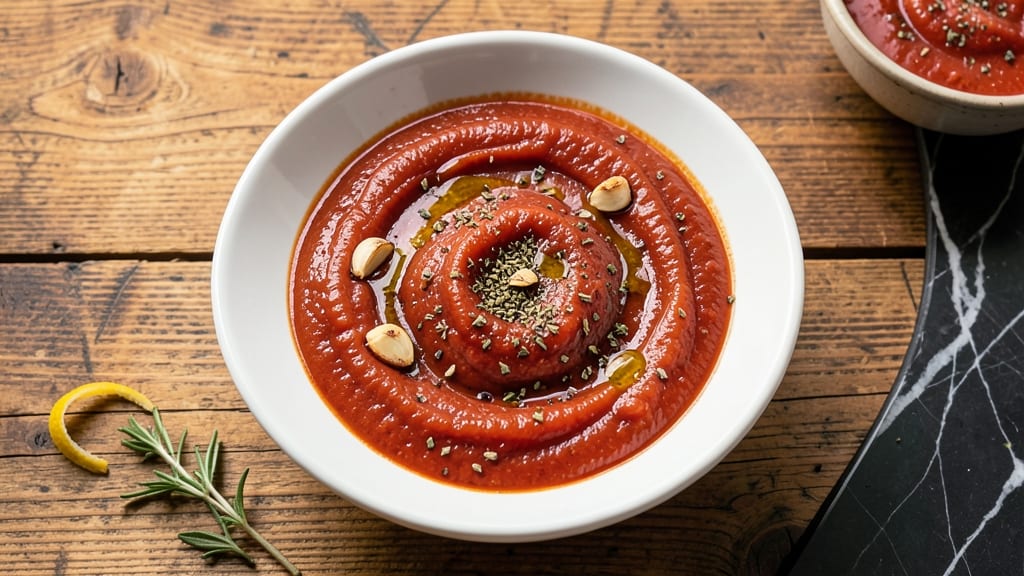
This American pizza sauce recipe delivers the bold, balanced tomato base that transforms any pie into a restaurant-quality masterpiece. The secret lies in simmering tomato paste, garlic, and herbs until thick and flavorful—no watery, weak sauce here. I've perfected this over years of testing, ensuring every batch achieves that perfect consistency and depth of flavor that pizza lovers crave.
The foundation of great pizza sauce starts with quality ingredients: tomato paste for richness, garlic for depth, and a blend of Italian herbs for that classic flavor profile. A touch of sugar balances acidity, while a splash of red wine vinegar adds brightness.
What sets this sauce apart is the slow simmering process, which develops complex flavors without overpowering the natural tomato taste.
By the time you're done, you'll have a thick, vibrant sauce that's perfect for spreading on pizza crusts, stuffing into calzones, or even using as a marinade. The sauce thickens beautifully when refrigerated, making it ideal for meal prep.
Store it in an airtight container for up to a week or freeze for longer storage—your future pizzas will thank you.
This sauce is versatile enough for any pizza style—whether you're making classic New York slices, deep-dish Chicago pies, or thin-crust Neapolitan. The key is achieving that perfect balance of sweetness, acidity, and umami in every spoonful. Let's get started on creating the perfect pizza sauce foundation.
Ingredients for american pizza sauce
Nine essential ingredients for a sauce that'll make your pizza taste like a New York slice.
| Ingredient | Amount | Notes |
|---|---|---|
| Tomato Paste 🍅 | 1 cup | High-quality, unsweetened preferred |
| Extra-Virgin Olive Oil 🫒 | ½ cup | For richness and depth |
| Garlic Cloves 🧄 | 4 cloves | Freshly minced for maximum flavor |
| Dried Oregano 🌿 | 1 tbsp | Italian oregano preferred |
| Dried Basil 🌿 | 1 tbsp | Or sub with 1 tbsp fresh basil |
| Red Wine Vinegar 🍷 | 1 tbsp | Adds brightness and balance |
| Granulated Sugar 🍚 | 1 tbsp | Balances acidity perfectly |
| Salt 🧂 | 1 ½ tsp | Diamond Crystal preferred |
| Black Pepper 🌶️ | ½ tsp | Freshly cracked for best flavor |
| Water 💧 | 1 cup | Adjust for desired consistency |
Tomato paste is the backbone here—Rao's or Barilla are my go-tos, but any quality brand works. The garlic? Freshly minced makes all the difference—no pre-minced garbage. Olive oil adds richness, so grab a good bottle (none of that cheap stuff). I always grab my dried herbs from Trader Joe's—their Italian seasoning blend is perfect for this. The vinegar might sound odd, but it cuts through the acidity beautifully—Bartles & Jaymes is my favorite, but any red wine vinegar works.
No tomato paste? Crushed tomatoes at double the amount will work in a pinch, but you'll need to simmer longer. Fresh basil instead of dried? Use one-third the amount—it's more potent. Short on sugar? A pinch of honey (if not vegan) or a splash of tomato paste will do. The water is just to thin it out—start with 1 cup, then add more if it's too thick. Want extra umami? Add 1 tsp soy sauce or a pinch of anchovy powder (if you're not vegetarian). The sauce should coat the back of a spoon but still be pourable—adjust as needed.
This sauce gets better with time—let it sit for 30 minutes before using so flavors meld. Keeps in the fridge for 1 week or freezes beautifully for 6 months. I always make a double batch—one for pizza night, one for freezing. For extra flavor, add a pinch of smoked paprika before serving. Perfect for meal prep—just reheat and spread!
Why You'll Love This Recipe
- Pantry Magic: I swear by this sauce because it lives in my pantry—no canned jars, no weird preservatives. Just tomato paste, olive oil, and a few cloves of garlic simmered until the flavors meld into something rich and actually fresh-tasting. Honestly, it’s the kind of sauce that makes me feel like I’m cooking from scratch, even when I’m not.
- Garlic-Kissed Depth: That first hit of garlic sizzling in olive oil? It’s the secret weapon. The paste thickens into a glossy, umami-packed layer that clings to crusts like a dream, while the dried basil and oregano add that classic, sun-dried tomato vibe without overpowering. Between us, this isn’t your watery jarred sauce—it’s ridiculously flavorful.
- Weeknight Workhorse: I make a big batch on Sundays and freeze it in ice cube trays. Need a quick pizza? Done. Craving garlic knots? Done. Even my picky teenage son asks for it on his plain cheese slices. It’s the kind of sauce that turns lazy nights into almost fancy dinners without the fuss.
- Budget Game-Changer: A single can of tomato paste and a bulb of garlic stretch into literally dozens of servings. No splurging on gourmet ingredients—just good, honest flavor that costs pennies per portion. Plus, it keeps for months in the freezer, so I’m always covered. My wallet and my taste buds thank me.
Step-by-step instructions for American pizza sauce
Here's how to make a rich, flavorful pizza sauce that brings out the best in any pie crust.
Sauté Garlic in Olive Oil Until Fragrant
Heat the 0.5 cup extra-virgin olive oil in a medium saucepan over medium-low heat. Add the 4 cloves minced garlic cloves and cook for 1-2 minutes until they're golden and smell irresistible—this is where the foundation of your sauce's depth begins.
Watch the garlic carefully—it burns quickly. You'll know it's ready when the aroma fills your kitchen and the edges turn just slightly golden. Remove the pan from heat immediately after this step to prevent burning, as charred garlic can make the sauce bitter.
Combine Tomato Paste and Dry Ingredients
Return the pan to medium heat and add the 1 cup tomato paste, stirring constantly to break it up completely. Let it cook for 2-3 minutes until it darkens slightly and releases its deep, concentrated flavor.
Add the 1 tbsp dried oregano, 1 tbsp dried basil, 1 tbsp granulated sugar, 1.5 tsp salt, and 0.5 tsp black pepper. Stir well to distribute these ingredients evenly throughout the paste. This is where the classic pizza sauce flavor profile starts developing—sweet, savory, and herbaceous all at once.
Deglaze with Vinegar and Water
Pour in the 1 tbsp red wine vinegar and let it simmer for 30 seconds while stirring constantly. The vinegar will help brighten the flavors and cut through the richness of the oil. Then add the 1 cup water and bring the mixture to a gentle boil.
Here's the thing—this sauce needs to simmer for 15-20 minutes to develop its perfect balance of flavors. Keep the heat at medium-low and stir occasionally, scraping up any browned bits from the bottom of the pan. These bits are packed with flavor that will make your sauce taste restaurant-quality.
Simmer Until Thick and Rich
Let the sauce simmer uncovered until it thickens to your desired consistency. You're aiming for a spreadable sauce that coats the back of a spoon but isn't gluey. This usually takes about 15-20 minutes, but check it at the 10-minute mark—your stove's heat output can vary.
Taste the sauce as it simmers and adjust the seasoning if needed. You might find it needs a touch more salt or a hint of sugar to balance the acidity. Remember, you can always add more, but you can't take it out. Once it reaches the perfect consistency, remove it from heat immediately to prevent over-thickening.
Cool and Store for Maximum Flavor
Let the sauce cool completely before using it on your pizza. This resting period allows all the flavors to meld together perfectly. If you're not using it immediately, transfer it to an airtight container and refrigerate for up to 5 days or freeze for up to 3 months.
The sauce will thicken even more as it cools, so if you're using it right away, you can thin it with a splash of water if needed. When you're ready to use it, give it a quick stir to redistribute any settled ingredients. This sauce is the perfect balance of sweet, tangy, and herby—just what you need to make your homemade pizza shine.
Pro Tips For Making American Pizza Sauce
- Bloom the Garlic First: Smash those cloves with the flat side of your knife before mincing—it releases more flavor without burning. I used to chop them fine and end up with bitter, overcooked garlic every time. Two firm presses with the knife blade is all it takes.
- Simmer Low and Slow: Once the sauce hits a boil, drop the heat to a gentle simmer and walk away for 15 minutes. Skim any foam that rises (yes, even if you’re impatient like me)—it’s the stuff that makes your sauce taste flat. The longer it cooks, the deeper the flavor.
- Salt the Tomato Paste: Mix ½ teaspoon of salt directly into the tomato paste before adding liquid. This seasons the base and prevents the sauce from tasting bland later, no matter how much water you add. Trust me, you’ll notice the difference.
- Use Fresh Basil at the End: Toss in a handful of fresh basil leaves in the last 2 minutes of cooking—it brightens the sauce without overpowering it. Dried basil is fine for the initial seasoning, but fresh is the thing that matters most when you’re serving it hot.
Flavor customization for this american pizza sauce
Sweet Heat Balance
Adjust the sugar to create a perfect sweet-tart profile. Start with 1 tbsp granulated sugar but increase to 2 tbsp if your tomatoes taste overly acidic. For heat lovers, add ½ tsp red pepper flakes or 1 tsp hot honey to the finished sauce.
I often test the balance by tasting the sauce cold—it should have a lingering sweetness without being cloying. 🌶️
Herb Variations
Swap dried herbs for fresh when in season. Use 1 tbsp fresh basil and 1 tsp fresh oregano (or 1 tbsp each if using only fresh). For a Mediterranean twist, add ½ tsp dried thyme or 1 tsp chopped rosemary—these herbs pair beautifully with garlic and tomato.
I find fresh herbs brighten the sauce while dried ones provide deeper, earthier notes.
Umami Boosters
For extra depth, stir in 1 tsp soy sauce or ½ tsp anchovy paste (if not vegetarian) during the final simmer. A pinch of smoked paprika adds a subtle smokiness that works well with spicy sausages.
I’ve also used 1 tsp miso paste for a fermented umami kick—just whisk it in at the end to avoid overpowering the sauce.
Texture Adjustments
Want a smoother sauce? Blend it briefly with an immersion blender after simmering. For rustic texture, leave it slightly chunky by reducing simmer time to 10 minutes. If the sauce thickens too much, thin with 1-2 tbsp water or tomato juice.
I prefer a slightly textured sauce—it clings better to pizza crusts and adds visual interest. 🍅
Regional Twists
For a Chicago deep-dish style, add 1 tsp Worcestershire sauce and a pinch of onion powder to the dry ingredients. A New York slice version benefits from a splash of apple cider vinegar instead of red wine vinegar.
For a California-inspired sauce, stir in ½ tsp garlic powder and a dash of celery salt—this works perfectly with BBQ chicken pizza.
Storage Hacks
Freeze sauce in ice cube trays for portion control—just pop out what you need for a single pizza. For longer storage, divide into quart-sized freezer bags and flatten to save space. Reheat gently on the stove with 1 tbsp water to restore texture.
I always label my containers with dates—this sauce stays fresh for up to 6 months** in the freezer without losing flavor. ❄️
Nutrition facts
Frequently asked questions
Can I make this sauce without tomato paste?
Yes! For a fresh version, use 2 cups crushed tomatoes instead of the 1 cup tomato paste. Simmer the sauce 5-10 minutes longer to reduce it to the right consistency. You may need to add 1 extra tbsp sugar and ½ tsp salt since fresh tomatoes have more water content.
Why does my homemade pizza sauce taste too acidic?
Acidity often comes from unbalanced tomatoes or over-simmering. Fix it by adding ½ tsp more sugar or 1 tsp honey to sweeten, then simmer 2 more minutes. For a quick fix, stir in ½ tsp baking soda (just a pinch!) to neutralize acidity. Always taste as you go—this sauce should have a sweet-tart harmony, not just tang.
How much sauce should I use for a 12-inch pizza?
Spread ½ to ⅔ cup of this thick sauce for a 12-inch pizza—it's concentrated! For thin-crust, use ¼ cup spread thinly. The sauce thickens as it cools, so don't overdo it. Pro tip: Warm the sauce slightly before spreading to make it more spreadable.
Can I make this sauce in a slow cooker?
Combine all ingredients in your slow cooker and cook on low for 3-4 hours or high for 1.5-2 hours. Stir occasionally and add water in ¼ cup increments if it gets too thick. The slow cooker method develops deeper flavors, but watch for over-simmering—it can make the sauce too concentrated.
What's the best way to reheat frozen pizza sauce?
Thaw overnight in the fridge, then reheat gently on the stove with 1 tbsp water per ½ cup sauce until just warm. Never microwave directly from frozen—it can make the sauce grainy. For best texture, warm to 160°F and stir well before using. The sauce will thicken again as it cools, so adjust consistency as needed.