
Sauces & Condiments
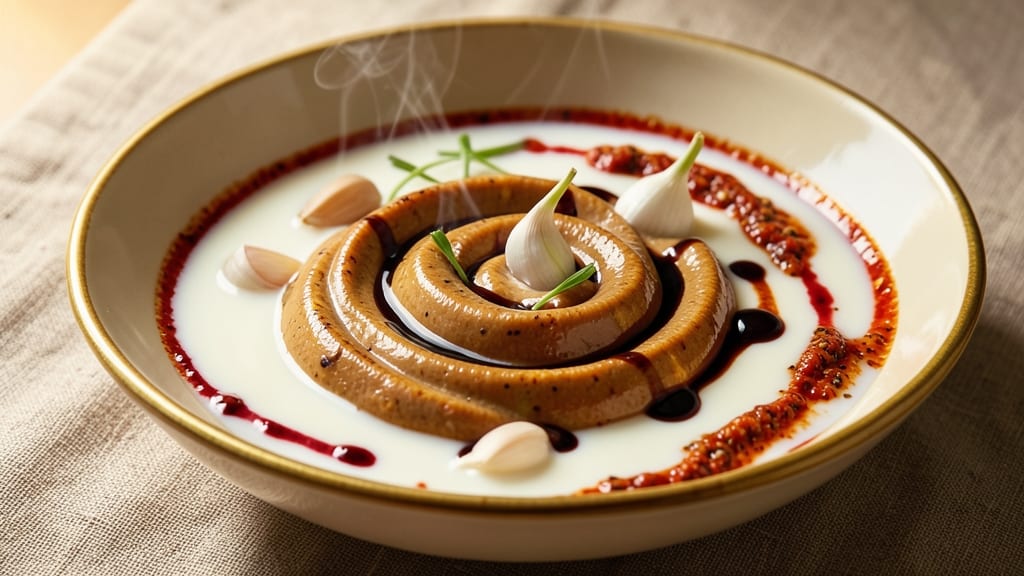
This almond butter satay sauce recipe delivers the perfect balance of nutty richness and tangy brightness for your favorite grilled dishes. The secret lies in combining creamy almond butter with coconut milk, tamarind paste, and a touch of chili for depth—all while keeping it completely plant-based.
I developed this version after years of experimenting with traditional satay sauces, replacing fish sauce with soy sauce and garlic for umami without compromising flavor.
The sauce creates a luscious, slightly sticky texture that clings beautifully to grilled tofu, chicken, or even crispy veggie skewers. What makes this version stand out is how well it balances sweetness from the tamarind and coconut with the earthy nuttiness of almond butter—no overpowering aftertaste.
The chili adds just enough heat to keep things interesting without stealing the show.
You'll end up with a sauce that's smooth, aromatic, and packed with layers of flavor—ready to elevate any dish in just minutes. It stays fresh in the fridge for up to 5 days or freezes perfectly for later use.
Perfect for weeknight dinners or meal prep, this sauce transforms simple grilled proteins into restaurant-quality meals.
Pair it with grilled tofu, chicken, or even noodles for a meal that feels indulgent yet balanced. The sauce's versatility makes it ideal for both quick weeknight dinners and special occasions. Let's get started!
Ingredients for almond butter satay sauce
Ten ingredients blend nutty richness with tangy depth for restaurant-quality satay sauce.
| Ingredient | Amount | Notes |
|---|---|---|
| Creamy Almond Butter 🥜 | ½ cup | Natural, unsweetened preferred |
| Full-Fat Coconut Milk 🥥 | 1 can | 13.5 oz can, well-shaken |
| Tamarind Paste 🍈 | ¼ cup | Unsweetened, block or paste |
| Red Curry Paste 🌶️ | 2 tbsp | Mild or medium heat preferred |
| Soy Sauce 🥢 | 2 tbsp | Tamari for gluten-free option |
| Fresh Garlic Cloves 🧄 | 4 cloves | Minced for aromatic depth |
| Fresh Ginger 🌿 | 1 tbsp | Grated, for zesty brightness |
| Lime Juice 🍋 | 2 tbsp | Freshly squeezed, for tang |
| Maple Syrup 🍁 | 1 tbsp | For subtle sweetness balance |
| Red Chili Flakes 🔥 | 1 tsp | Adjust for heat preference |
Almond butter is the heart of this sauce—creamy, natural, and unsweetened makes all the difference. Marukyu or Justin's brands work perfectly, but any natural almond butter will do. Tamarind paste can be tricky to find; check the Asian aisle or order online if needed. For the coconut milk, full-fat is essential—it creates that luscious, clinging texture. If you can't find tamarind paste, substitute 1 tbsp lime juice plus 1 tsp brown sugar, though it won't be identical. The red curry paste adds depth—Maesri or Gourmet Garden are my go-tos, but any good-quality brand works.
No tamari? Regular soy sauce works, though it'll have a slightly different umami profile. Fresh ginger and garlic are non-negotiable for that authentic satay flavor—don't use powdered. The maple syrup balances the tang; agave works too, but maple has a more complex flavor. For extra richness, add 1 tbsp coconut cream to the finished sauce. If you want to make this ahead, prep all ingredients except lime juice—add that fresh when ready to use. The sauce thickens as it cools, so thin with water or coconut milk if needed.
This sauce keeps beautifully—5 days in the fridge or 3 months frozen. For freezing, portion into ice cube trays first, then transfer to a bag. Reheat gently in a saucepan or microwave, stirring in 1 tsp water if it thickens too much. The sauce clings perfectly to grilled tofu, chicken, or veggies—brush on just before serving for maximum stickiness. Leftovers make amazing noodle sauces too—just thin with broth and toss with ramen.
Why You'll Love This Recipe
- No-Fuss Pantry Magic: I swear by this one—just toss those five ingredients into a pot, let it simmer until it smells like a vacation. No chopping, no fancy techniques, and honestly? It’s the kind of sauce that makes me feel like I’ve outsmarted the week.
- Umami Bomb: That almond butter isn’t just for spreading anymore—it’s the secret weapon here. The tamarind cuts through the richness, the coconut milk makes it velvety, and the red curry paste? Oh, it’s the little kick that turns “dinner” into “I’d pay for this at a restaurant.”
- Weeknight to Party Fix: Same sauce, endless uses. Drizzle it over grilled chicken for a quick weeknight meal, slather it on skewers for a crowd-pleasing appetizer, or even toss it with noodles when I’m too tired to think. Between us, it’s my go-to for “I have friends over but no time” moments.
- Leftovers That Don’t Suck: This stuff actually improves the next day. The flavors meld into something deeper, and I’ve used it to glaze roasted veggies, stir-fry leftovers, or even as a marinade. Plus, it’s cheap—full-fat coconut milk and almond butter stretch further than you’d think, and I’m always buying those anyway.
Step-by-step instructions for almond butter satay sauce
Here's how to create a perfectly balanced sauce with rich depth and perfect sweet-spicy harmony.
Bloom the Aromatics in Coconut Milk
In a medium saucepan, combine the 1 can full-fat coconut milk with the 2 tablespoons red curry paste. Place over medium heat and stir continuously for 3-4 minutes until the mixture begins to simmer gently. You'll see the curry paste dissolve and the milk develop a fragrant aroma—this is your flavor foundation.
The reason we start with coconut milk is that its natural fats help distribute the curry paste evenly while preventing it from burning. If you notice the mixture separating slightly, that's normal—just keep stirring gently. This step builds the sauce's complex base before adding other ingredients.
Incorporate the Nutty-Sweet Elements
Reduce heat to low and add the 0.5 cup creamy almond butter, stirring constantly for 2 minutes until fully melted and smooth. The sauce will thicken noticeably as the almond butter incorporates. Next, add the 0.25 cup tamarind paste and 1 tablespoon maple syrup, stirring until completely dissolved.
Here's where the sauce starts to come together. The tamarind adds that signature tangy depth while the maple syrup balances the flavors with subtle sweetness. If you're using block tamarind, make sure it's fully dissolved—you can strain it if needed for a smoother texture. The sauce should now have a rich, velvety consistency with a beautiful caramel hue.
Build Layers with Garlic, Ginger, and Soy
Add the 4 cloves minced fresh garlic and 1 tablespoon grated fresh ginger, cooking for 1-2 minutes until fragrant but not browned. Then stir in the 2 tablespoons soy sauce and 1 teaspoon red chili flakes. Let the mixture simmer for another 2 minutes, allowing all flavors to meld together.
This is where the sauce develops its signature complexity. The ginger and garlic provide aromatic depth, while the soy sauce adds umami richness. The chili flakes introduce just enough heat to complement the sweetness without overpowering it. You'll notice the sauce darkening slightly as it reduces—this indicates the flavors are intensifying.
Finish with Acid and Balance
Remove the saucepan from heat and stir in the 2 tablespoons lime juice. Taste immediately and adjust the balance—you might want to add a touch more maple syrup for sweetness or a pinch more chili flakes for heat. Let the sauce sit off heat for 5 minutes to allow the flavors to fully integrate.
The lime juice is crucial here as it brightens the sauce and cuts through the richness of the coconut and almond butter. This final adjustment ensures your sauce has that perfect harmony of sweet, spicy, tangy, and umami notes. The sauce should be thick enough to coat the back of a spoon but still pourable for dipping.
Strain and Serve
For the smoothest texture, strain the sauce through a fine-mesh sieve into a clean bowl, pressing gently on the solids to extract maximum flavor. This step removes any lingering bits of ginger or garlic skin that might make the sauce grainy. The finished sauce should be glossy with a beautiful amber color and a consistency perfect for dipping grilled meats or vegetables.
Use immediately for best results, as the flavors continue to develop. This sauce pairs beautifully with grilled chicken satay, tofu skewers, or even as a dipping sauce for fresh spring rolls. The nutty depth from the almond butter makes this satay sauce uniquely rich and satisfying compared to traditional versions.
Pro Tips For Making Almond Butter Satay Sauce
- STIR CONSTANTLY AT FIRST: The almond butter and coconut milk will seize up if you let them sit too long without stirring—especially when the curry paste hits. Keep the pan moving for the first 3 minutes, even if it looks messy. That’s how you avoid a grainy, separated sauce.
- DILUTE THE TAMARIND PASTE: Tamarind paste is thick and stubborn. Mix it with 1-2 tablespoons of warm water before adding it to the pan—this ensures it dissolves smoothly and doesn’t clump. Trust me, scraping gummy bits off the bottom later is a hassle.
- LOW AND SLOW AFTER BOILING: Once the sauce reaches a rolling boil, drop the heat to medium-low and let it simmer uncovered for 8-10 minutes. This evaporates excess water and deepens the flavors without burning the almond butter. Skipping this step leaves you with a thin, watery sauce.
- SWAP SOY FOR FISH SAUCE: If you’re not a huge soy fan, use fish sauce instead—it adds umami depth without overpowering the nutty almond butter. Just reduce the amount by half (start with 1 teaspoon) and taste as you go. The sauce will still be rich, but brighter.
Flavor customization for almond butter satay sauce
Sweetness Adjustments
Want to tweak the sweetness? Swap the 1 tbsp maple syrup for agave nectar (same amount) for a neutral sweetness, or reduce it to ½ tbsp if you prefer less sweetness. For extra depth, add ½ tsp vanilla extract—it enhances the almond butter’s nuttiness beautifully.
If your tamarind paste is very tart, balance it with an extra ½ tbsp maple syrup. 🍯
Spice Level Control
Adjust the heat by modifying the 1 tsp red chili flakes—reduce to ½ tsp for mild heat or increase to 1.5 tsp for a spicier kick. For a smoky depth, add ¼ tsp smoked paprika alongside the chili flakes.
If you love fresh chili, substitute 1-2 thinly sliced bird’s eye chilies (remove seeds for less heat) and simmer them with the garlic and ginger for 30 seconds before straining. 🌶️
Tangy Variations
Swap the 2 tbsp lime juice for 1 tbsp lime + 1 tbsp rice vinegar for a sharper tang, or use 1 tbsp tamarind juice (if available) for a more authentic satay brightness.
For a tropical twist, add 1 tbsp pineapple juice—it pairs surprisingly well with the almond butter’s richness. If you’re out of lime, lemon juice works, but it’s slightly less vibrant. 🍋
Umami Boosters
For extra umami depth, stir in 1 tsp miso paste (white or red) with the soy sauce, or add 1 tbsp coconut aminos for a gluten-free alternative. A splash of 1 tsp fish-free Worcestershire sauce (like Annie’s) also works wonders.
If you love mushrooms, finely chop 2 shiitake caps and sauté them with the garlic and ginger for an earthy twist. 🍄
Texture Tweaks
For a thicker sauce, simmer the finished mixture uncovered for 2-3 extra minutes to reduce it further. Need it smoother? Blend it briefly in a blender after straining. For a chunkier texture (great for dipping), skip the straining step entirely and leave in small pieces of ginger or garlic.
If the sauce separates, whisk in 1 tsp coconut milk to restore its velvety consistency. 🥄
Flavor Fusion Ideas
Give it a Mediterranean twist by adding ½ tsp dried oregano and ¼ tsp cinnamon with the tamarind. For a Thai-inspired version, stir in ½ tsp galangal paste (if available) or extra ginger.
A Middle Eastern nod? Add ½ tsp ground cumin and a pinch of sumac at the end. Each variation keeps the almond butter’s nuttiness as the star while exploring global flavors. 🌍
Nutrition facts
Frequently asked questions
Can I make this almond butter satay sauce without tamarind paste?
Yes! If you can't find tamarind paste, substitute 1 tbsp lime juice plus 1 tsp brown sugar for the tangy-sweet balance. For a closer match, use 1 tbsp tamarind juice concentrate (if available) instead. The sauce will still taste delicious—just slightly less complex.
How do I adjust the sauce for nut allergies?
This recipe is already nut-free except for the almond butter. For a completely nut-free version, replace the almond butter with ½ cup sunflower seed butter or ½ cup tahini. The texture will be slightly thinner but still rich. Always check labels to ensure no cross-contamination.
Can I use this sauce on non-grilled dishes?
This versatile sauce works beautifully on stir-fries, noodle bowls, or even as a marinade for tofu or chicken. For stir-fries, thin it with 1-2 tbsp water or coconut milk to achieve a dipping consistency. The nutty depth pairs well with crispy textures like fried rice or spring rolls too.
Why did my sauce separate? How can I fix it?
Separation can happen if the sauce cools too quickly or if coconut milk isn't fully incorporated. To fix it, gently reheat the sauce over low heat while whisking continuously until smooth. For a quick fix, whisk in 1 tsp coconut milk or 1 tsp water to restore its velvety texture. Always stir constantly when adding almond butter to prevent clumping.
What's the best way to store leftovers?
Store in an airtight container in the fridge for up to 5 days. For longer storage, freeze in ice cube trays, then transfer to a bag—this makes it easy to thaw just what you need. Reheat gently in a saucepan or microwave, adding 1 tsp water or coconut milk if it thickens too much. The sauce actually improves after 24 hours as flavors meld!