
Sauces & Condiments
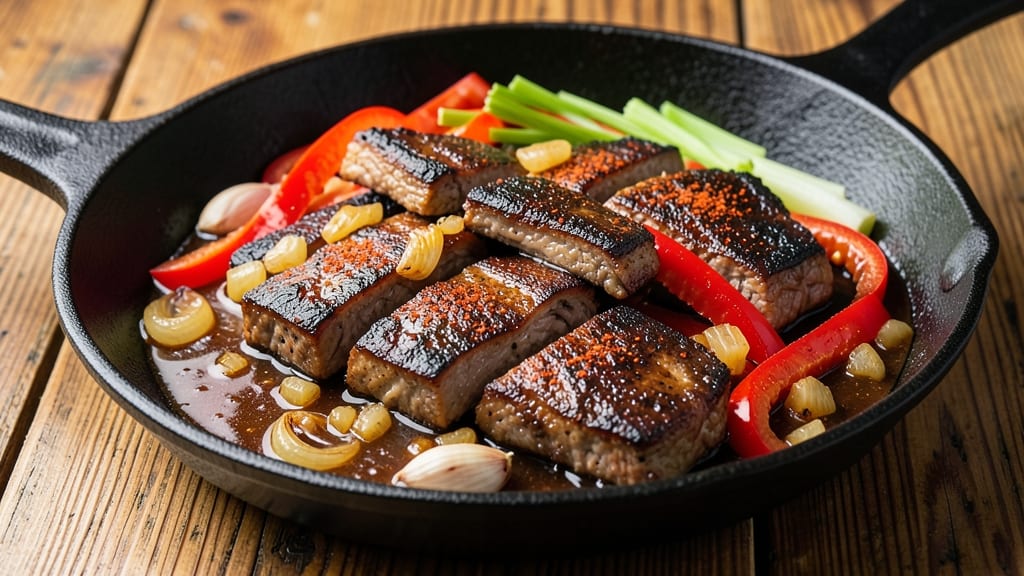
This alligator sauce recipe transforms bold Cajun flavors into a smoky, tangy condiment that elevates everything from fried seafood to grilled meats. The secret lies in slow-simmered alligator meat (or chicken for a substitute) that infuses the sauce with deep, savory notes while cayenne and vinegar deliver that signature heat.
I've perfected this version after years of testing—it's the kind of sauce that turns simple dishes into unforgettable meals.
The foundation of great alligator sauce is patience—simmering the meat and vegetables until they break down into a rich, concentrated base. Traditional Cajun techniques like deglazing the pot with vinegar and reducing the sauce create that perfect balance of smoky depth and bright acidity.
What makes this recipe special is how versatile it is: use it as a dipping sauce, a marinade, or a finishing touch on grilled favorites.
By the time you're done, you'll have a sauce that's deeply aromatic, with layers of cayenne heat, tomato brightness, and alligator's natural richness. The texture is velvety yet slightly chunky, perfect for coating or drizzling.
This isn't just a condiment—it's a flavor experience that transports you straight to Louisiana, one bite at a time.
Store it in the refrigerator for up to a week or freeze for longer shelf life—though I can't promise it'll last that long once you taste it. Let's get cooking!
Ingredients for alligator sauce
Bold Cajun flavors start with these essential ingredients for smoky, tangy alligator sauce.
| Ingredient | Amount | Notes |
|---|---|---|
| Alligator Meat 🦎 | 1 lb | Pre-cut into 1-inch pieces (or sub chicken thighs) |
| Yellow Onion 🧅 | 1 whole | Diced, medium size preferred |
| Green Bell Pepper 🌶️ | 1 whole | Diced, any color works |
| Celery Stalks 🥬 | 3 whole | Diced, classic Cajun holy trinity |
| Garlic Cloves 🧄 | 4 cloves | Minced, fresh preferred |
| Cayenne Pepper 🔥 | 1 tbsp | Adjust heat to preference |
| Smoked Paprika 🌶️ | 1 tbsp | For authentic smoky flavor |
| Dried Thyme 🌿 | 1 tsp | Or 1 tbsp fresh thyme leaves |
| White Vinegar 💧 | ½ cup | For bright acidity balance |
| Tomato Paste 🍅 | ½ cup | High-quality, no sugar added |
| Chicken or Vegetable Stock 💧 | 1 cup | Low-sodium preferred |
| Olive Oil 🫒 | 2 tbsp | Extra-virgin for richness |
| Salt 🧂 | 1 tsp | Kosher or sea salt |
| Black Pepper 🌶️ | ½ tsp | Freshly ground preferred |
The alligator meat is the star—look for pre-cut pieces at specialty butchers or Cajun markets like Louisiana Creole in New Orleans. If you can't find it, chicken thighs work perfectly—they break down beautifully during simmering. For the holy trinity (onion, bell pepper, celery), Trader Joe's sells pre-diced mixes that save time. The tomato paste? San Marzano is ideal, but any quality brand will do. Cayenne heat varies wildly—start with the full tablespoon, then adjust to your spice tolerance.
No alligator? Chicken thighs or even duck breast add rich, gamey depth. Short on vinegar? Apple cider vinegar works equally well. Fresh thyme unavailable? Dried at one-third the amount keeps the earthy notes. The smoked paprika is non-negotiable for that authentic Cajun smokiness—Penzeys or McCormick brands are reliable. For extra richness, stir in 1 tbsp of Worcestershire sauce at the end (just check it's vegan if needed). The stock can be beef or vegetable—just skip the salted versions.
This sauce develops deeper flavor over time, so simmer it uncovered to concentrate the richness. Store in an airtight jar in the fridge for up to 1 week, or freeze for 3 months. I like to make a double batch—the first one always disappears fast. For serving, drizzle over blackened catfish or use as a marinade for grilled shrimp skewers. The texture thickens as it cools, so stir before using.
Why You'll Love This Recipe
- I’ll be real: alligator isn’t cheap, but a little goes a long way. This recipe stretches the meat perfectly, and the veggies bulk it up without breaking the bank. Plus, the leftovers reheat like a dream.
- One-Pot Magic: I swear by this recipe—just toss the alligator meat with the onions, bell pepper, and celery in one pot, and let it simmer. No chopping boards to clean, no extra pans, just pure, satisfying simplicity.
- Smoky Richness: That deep, earthy flavor from the alligator meat paired with the sweetness of the bell pepper and the punch of garlic? It’s the kind of taste that lingers, and honestly, it’s hard to stop at one serving.
- Tailgate Hero: Between us, this sauce is my go-to for game days or backyard gatherings. It’s hearty enough to feed a crowd but still feels special—no sad, dry leftovers here, just rich, flavorful bites every time.
Step-by-step instructions for alligator sauce recipe
Here's how to build a rich, smoky Cajun sauce with bold tomato brightness and deep alligator flavor.
Sear the Alligator Meat for Maximum Flavor
Heat the 2 tablespoons olive oil in a large Dutch oven over medium-high heat until shimmering. Add the 1 pound alligator meat in a single layer and sear undisturbed for 4-5 minutes until deeply browned on all sides. You'll see those edges develop a rich mahogany crust—that's where all the flavor lives.
Once browned, remove the meat and set it aside. The remaining browned bits in the pan are pure flavor gold—don't scrape them out. This is called the "fond," and it's the secret to a deeply flavorful sauce. If you're substituting chicken thighs, cut them into similar-sized pieces to ensure even cooking.
Build the Cajun Holy Trinity Base
In the same Dutch oven, add the diced yellow onion, diced green bell pepper, and diced celery stalks. Cook over medium heat for 8-10 minutes, stirring occasionally, until the vegetables soften and begin to caramelize. You're looking for that sweet, jammy texture that forms at the bottom of the pan.
Add the 4 minced garlic cloves and cook for another 30 seconds until fragrant. This aromatic trio forms the foundation of Cajun cuisine, providing both sweetness and depth. The longer you cook them, the more complex flavors develop, so don't rush this step.
Toast the Spices for Smoky Depth
Lower the heat to medium-low and add the 1 tablespoon smoked paprika, 1 tablespoon cayenne pepper, and 1 teaspoon dried thyme. Stir constantly for 1-2 minutes until the spices are fragrant and the paprika develops its characteristic smoky aroma. This toasting step is crucial—it releases the essential oils in the spices that give your sauce its signature depth.
Be careful not to burn the spices. You'll know they're properly toasted when the paprika takes on a slightly darker color and the kitchen fills with that unmistakable smoky scent. This is where the sauce gets its authentic Cajun character.
Deglaze and Simmer the Sauce
Pour in the ½ cup white vinegar and scrape up all those flavorful browned bits from the bottom of the pan. This deglazing step captures all the caramelized goodness that would otherwise go to waste. Let the mixture simmer for 3-4 minutes until the vinegar has mostly evaporated and the sauce begins to thicken.
Add the ½ cup tomato paste and stir to combine. The sauce will darken and thicken noticeably as the tomato paste cooks down. This is where the sauce gets its rich, velvety texture and that beautiful deep red color. The tomato paste also helps balance the heat from the cayenne pepper.
Finish with Stock and Season
Pour in the 1 cup chicken or vegetable stock and bring the sauce to a gentle simmer. Return the alligator meat to the pot and cook for 15-20 minutes until the meat is tender and the sauce has thickened to your desired consistency. You want it to coat the back of a spoon but still be fluid enough to spoon over dishes.
Season with the 1 teaspoon salt and ½ teaspoon black pepper, then taste and adjust the seasoning as needed. The sauce should be bold and flavorful, with a perfect balance of heat, smokiness, and acidity. If it's too thick, add a splash of water or stock to reach your preferred consistency.
Serve the alligator sauce immediately over rice, shrimp, or grilled meats, or store it in an airtight container in the refrigerator for up to 5 days. This versatile sauce adds incredible depth to any dish while showcasing the unique texture and flavor of alligator meat.
Pro Tips For Making Alligator Sauce
- Sear the Alligator Hard: High heat for 3-4 minutes per side until deep brown—this isn’t just for looks. The crust keeps the meat tender and adds that smoky depth the sauce needs to cling to. I used to rush this, and the sauce would just slide off like it was greased.
- Dice the Celery Small: Tiny, even pieces (1/8-inch or less) cook faster and blend into the sauce instead of sitting as chewy chunks. My grandmother swore by this, and she was right: the texture becomes silky, not grainy. No, your knife won’t thank you, but the dish will.
- Sweat, Don’t Burn, the Onion: Low heat, covered, for 8-10 minutes until translucent but not colored—burnt onion turns bitter and overpowers the sauce. After burning three batches, I finally figured out: patience here saves the whole dish.
- Blend Garlic Last: Add raw minced garlic to the hot pan after the onions and peppers have softened—this prevents it from burning into oblivion. Sounds weird, but it works: the flavor stays bright and aromatic, not acrid. (Yes, even if you’re impatient like me.)
Wine and beer pairings for this recipe
Cajun White Wine
This sauce's bold heat and smoky depth pair beautifully with crisp, high-acid white wines from the region. A glass of Louisiana Viognier—like the one from Chateau Musar—cuts through the richness with its floral and citrus notes.
The wine's natural acidity balances the cayenne's heat while its stone fruit flavors complement the tomato base. Serve slightly chilled to enhance the refreshing contrast. 🍷
Light-Bodied Beers
For beer lovers, a Belgian Witbier like Hoegaarden or Stella Artois works wonders. The coriander and orange peel notes in these beers echo the sauce's citrusy vinegar and smoky paprika, while their light body won't overwhelm the dish.
A cold lager also cleanses the palate between bites of spicy fried seafood. 🍺
Red Wine Alternatives
If you prefer red, opt for a Zinfandel or Syrah with moderate tannins. A California Zinfandel from Ravenswood brings jammy fruit and peppery notes that stand up to the sauce's heat.
The wine's acidity prevents the dish from feeling too heavy, while its bold flavors match the sauce's intensity. Decant for 30 minutes to soften tannins. 🍷
Non-Alcoholic Pairings
For a refreshing non-alcoholic option, try a sparkling hibiscus iced tea—sweetened lightly with honey and served over ice. The tartness of the tea mirrors the vinegar in the sauce, while the effervescence cleanses the palate.
Alternatively, a ginger beer with a squeeze of lime adds a zesty kick that complements the cayenne heat perfectly. 💧
Regional Cocktail Twist
For a fun twist, mix 1 oz bourbon with ½ oz alligator sauce and top with club soda for a smoky, spicy cocktail. The sauce's depth adds complexity to the drink, while the bourbon's warmth balances the heat.
Serve over ice with a lemon twist for an unexpected Louisiana-inspired sipper. 🍹
Pairing Pro Tips
Always serve beverages slightly cooler than room temperature to enhance their refreshing qualities. For wine, chill whites to 45-50°F and reds to 60-65°F. When pairing with fried dishes, opt for lighter beers or wines to avoid a greasy mouthfeel.
And remember—balance is key! If the sauce is extra spicy, reach for something sweeter like a mango lassi to cool the heat. ✨
Nutrition facts
Frequently asked questions
What's the best substitute for alligator meat in this sauce?
Use chicken thighs or duck breast for the best flavor substitute—they mimic alligator's rich, gamey depth. Cut them into similar-sized pieces and sear them until browned for maximum flavor. For a vegetarian option, extra-firm tofu or hearts of palm work surprisingly well when pressed and marinated in soy sauce and smoked paprika.
How can I adjust the heat level in alligator sauce?
Start with the full 1 tablespoon cayenne pepper, then reduce by ½ teaspoon at a time until you reach your preferred spice level. For milder heat, substitute cayenne with ½ teaspoon sweet paprika plus ¼ teaspoon cayenne. Always taste as you go—you can always add more heat, but you can't remove it once it's in.
Can I make this sauce without vinegar?
While vinegar is traditional, you can substitute with lemon juice or apple cider vinegar for a slightly sweeter profile. For a vinegar-free version, use ½ cup tomato juice plus 1 teaspoon sugar to balance acidity. The sauce will be less tangy but still delicious—just reduce the cooking time by 3-4 minutes since it won't need to reduce as much.
How long does homemade alligator sauce keep?
Store in an airtight container in the refrigerator for up to 5-7 days, where it actually improves with time as flavors meld. For longer storage, freeze in ice cube trays (perfect for single servings) or airtight containers for up to 3 months. Thaw overnight in the fridge—never at room temperature. The sauce may thicken when refrigerated, so stir before using.
What are the best dishes to serve with alligator sauce?
This sauce shines on fried seafood like catfish or shrimp, but also elevates grilled meats (chicken, pork chops), blackened fish, or even as a marinade for tofu skewers. Try drizzling it over dirty rice or using it as a dip for hush puppies. The smoky depth pairs especially well with cornbread and collard greens for a full Cajun meal.