
Sauces & Condiments
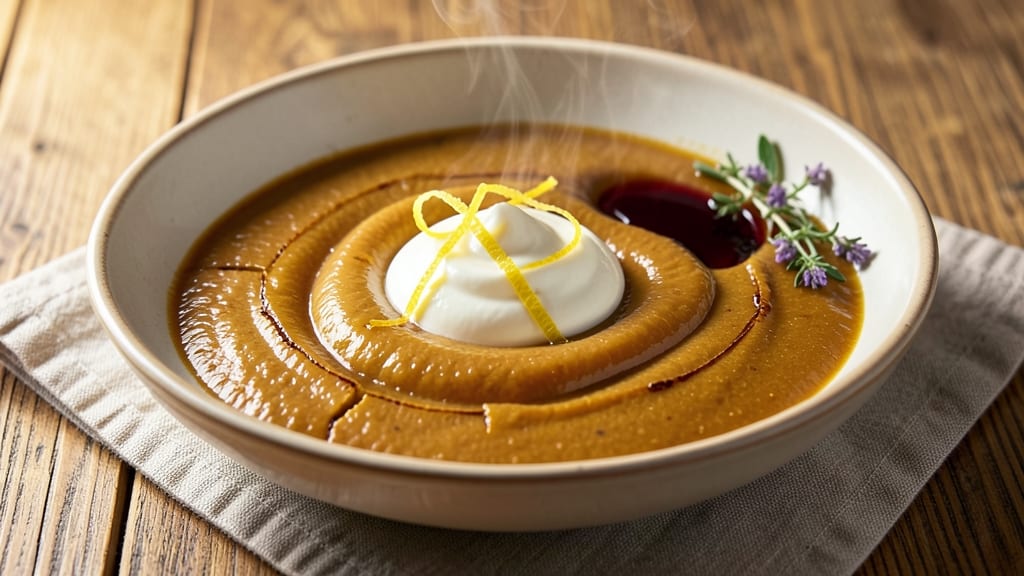
This all-purpose sauce recipe is your culinary secret weapon—transforming simple ingredients into a rich, adaptable base for pasta, meats, or vegetables in just 10 minutes. The key lies in a simple roux technique that creates a velvety texture capable of absorbing flavors like a sponge.
I developed this after years of restaurant-style cooking at home, where a well-made sauce elevates every dish from ordinary to extraordinary.
The beauty of this sauce is its versatility—start with a basic brown roux, then customize with broth, cream, or wine to suit your meal. Whether you're finishing a pan sauce for steak or creating a creamy pasta sauce, the foundation remains the same.
The slow reduction process builds depth, while a splash of acid (like lemon juice or vinegar) brightens the final result. No fancy ingredients required—just pantry staples and a little patience.
What you’ll end up with is a smooth, flavorful sauce that clings perfectly to noodles, coats proteins, or drizzles over roasted vegetables. The best part? It keeps well in the fridge for up to 5 days or freezes for months, making it the ultimate meal-prep ally.
This isn’t just a sauce—it’s a flavor multiplier that turns leftovers into gourmet meals.
Ready to master this technique? We’ll cover the exact roux ratio, when to add acid, and how to adjust thickness for any dish. Let’s build a sauce that works as hard as you do.
Ingredients for all purpose sauce
Pantry staples that transform into a restaurant-quality sauce in minutes.
| Ingredient | Amount | Notes |
|---|---|---|
| Unsalted Butter 🧈 | ½ cup | Cold, cubed for roux |
| All-Purpose Flour 🌾 | ½ cup | Diamond Crystal preferred |
| Vegetable Broth 💧 | 2 cups | Low-sodium preferred |
| Heavy Cream 🥛 | ½ cup | Full-fat for richness |
| Dry White Wine 🍷 | ¼ cup | Sauvignon Blanc works best |
| Lemon Juice 🍋 | 1 tbsp | Freshly squeezed |
| Garlic Cloves 🧄 | 2 cloves | Minced for depth |
| Shallots 🧅 | 1 whole | Finely chopped |
| Salt 🧂 | 1 tsp | Kosher or sea salt |
| Ground Black Pepper 🌶️ | ½ tsp | Freshly cracked |
The butter and flour form the sauce's backbone. Use cold butter cubes for a proper roux—if it melts too fast, you'll end up with a gluey mess. Diamond Crystal flour absorbs more liquid than regular brands, so stick with it if you can. For the broth, low-sodium options give you control over seasoning. I grab mine from Trader Joe's or make my own with vegetable scraps. The garlic and shallots? Fresh is non-negotiable here—jarred minced garlic has a metallic aftertaste that ruins everything. Toast the shallots until golden for extra depth, but don't let them burn.
No white wine? Dry vermouth or apple cider vinegar works in a pinch, though wine adds that subtle fruitiness. Substituting the heavy cream? Full-fat coconut milk gives a similar texture, though it tastes different. Short on time? Pre-minced garlic from the jar is better than nothing, but fresh is worth the 30 seconds. The lemon juice is what brightens the whole sauce—never skip it. If you're making this ahead, hold off on the acid until the very end so it doesn't curdle. For a dairy-free version, swap the cream for cashew cream or extra broth.
This sauce keeps beautifully. Store in an airtight jar in the fridge for up to 5 days, or freeze in ice cube trays for single portions. The texture thickens as it cools, so thin with a splash of warm broth when reheating. I always make a double batch—one for immediate use and one to freeze. When reheating, stir gently over medium-low heat to avoid breaking the emulsion. If it gets too thick, just add a little more broth. The magic of this sauce is its adaptability—use it as-is, or let it inspire your next flavor adventure.
Why You'll Love This Recipe
- Pantry Magic: I swear by this sauce because it uses things I always have—no special shopping needed. Butter, flour, wine? That’s my pantry’s way of saying, "Here, make something amazing."
- Velvet Smooth: The heavy cream and wine blend creates this luxurious, almost restaurant-quality texture. It’s rich but not heavy—like a hug in a bowl, but better.
- Weeknight Swiss Army: Drizzle it over pasta, toss with roasted veggies, or pour it into a casserole. Honestly, I’ve even used it as a gravy for mashed potatoes. It’s my secret weapon for lazy nights.
- Leftovers That Shine: Make a double batch and freeze half—it reheats like a dream. My freezer’s stocked with this stuff because it turns last night’s dinner into tomorrow’s lunch without effort.
Step-by-step instructions for all-purpose sauce recipe
Here's how to build this velvety foundation that works with everything from pasta to proteins.
Create a Golden Roux
In a medium saucepan, melt the 0.5 cup unsalted butter over medium heat until it stops bubbling and just begins to foam. Immediately whisk in the 0.5 cup all-purpose flour all at once, stirring constantly with a wooden spoon or wire whisk.
Cook the mixture for 2-3 minutes until it turns a rich, golden brown color. This is your roux—the flavor base for everything that follows. Watch it closely; if it darkens to nutty brown too quickly, reduce the heat slightly. The roux should coat the back of a spoon smoothly but still have some body to it.
Here's the thing—this step is crucial. A properly colored roux develops deep, nutty flavors that carry through your entire sauce. If you rush it, your sauce will taste flat. If you burn it, you'll get bitterness. Keep that heat steady and your whisk moving.
Deglaze with Wine and Add Aromatics
Pour in the 0.25 cup dry white wine and scrape up any browned bits from the bottom of the pan with your whisk. These bits, called fond, pack intense flavor. Let the mixture simmer gently for 1-2 minutes until the alcohol smell dissipates completely.
Add the finely chopped shallots and minced garlic cloves, stirring constantly. Cook for another 1-2 minutes until the shallots soften and become translucent. You want them to lose their raw bite but not brown—they should still look vibrant. This is where the sauce builds its aromatic depth.
I like to add the garlic just before the shallots are done so it infuses its flavor without burning. If your garlic starts to brown too quickly, reduce the heat slightly. The goal is to build layers of flavor without letting anything turn bitter.
Build the Sauce with Broth and Cream
Gradually whisk in the 2 cups vegetable broth, about ½ cup at a time, allowing each addition to incorporate completely before adding more. This gradual approach prevents lumps and helps the sauce emulsify smoothly. Bring the mixture to a gentle simmer and cook for 5-7 minutes until it thickens slightly.
Reduce the heat to low and stir in the 0.5 cup heavy cream and 1 tbsp lemon juice. The sauce should begin to thicken noticeably as it simmers. Taste and adjust seasoning with the 1 tsp salt and 0.5 tsp ground black pepper. Here's where you can customize—this is your base, so season it to your preference.
Real talk: If your sauce starts to look too thick, whisk in 1-2 tablespoons of water to reach your desired consistency. The sauce should coat the back of a spoon but still flow freely. This is the perfect texture for tossing with pasta or drizzling over proteins.
Finish and Use Immediately
Remove the sauce from heat and let it rest for 2-3 minutes. This resting period allows the flavors to meld together and the sauce to reach its ideal consistency. Give it a final taste and adjust the seasoning if needed—sometimes the salt and acid need a little more balance.
This sauce is incredibly versatile. Use it immediately over grilled chicken, drizzled on roasted vegetables, or tossed with al dente pasta. For extra richness, stir in a pat of butter at the end. For tang, add a squeeze of fresh lemon. The possibilities are endless, but the foundation is foolproof.
Don't let it sit too long before using—this sauce is best when fresh. If you need to store it, let it cool completely, then refrigerate in an airtight container for up to 3 days. Reheat gently on the stove, stirring constantly to prevent scorching.
Pro Tips For Making All Purpose Sauce
- Whisk Like You Mean It: The first 2 minutes with butter and flour make or break your sauce. Use a real whisk—not a fork—and keep it moving until the mixture turns a uniform, sandy beige. I learned this the hard way when my sauce turned into a greasy glop because I got distracted. No one’s judging, but the sauce will know.
- Salt the Butter First: Toss in a pinch of salt (about ¼ teaspoon) with the butter before adding flour. Unsalted butter is bland, and this one step guarantees your sauce won’t taste flat later. Yes, it’s an extra motion, but your future self will notice the difference when you taste the finished dish.
- Deglaze Hot, Not Cold: Pour that white wine into the pot immediately after removing it from the heat—while the pan is still warm. Cold wine just sits there like a wallflower, but hot wine clings to the fond and lifts all the flavor. I used to wait, and the sauce always tasted dull. Don’t make my mistake.
- Strain the Cream: Heavy cream can turn your smooth sauce into a lumpy mess. Strain it through a fine-mesh sieve or cheesecloth before adding it to the roux. It’s a 30-second step that saves you from scraping lumps off your plate later. Trust me, your sauce will thank you.
Pro cooking tips for this dish
Roux Color Control
Your roux is the flavor foundation, so color matters most. Aim for a golden brown—not white (undercooked) or dark brown (burnt). I use a heavy-bottomed saucepan like my All-Clad to prevent hot spots.
Watch closely: if it starts to darken too quickly, reduce heat to medium-low immediately. A properly colored roux should smell nutty and coat the back of a spoon smoothly. 🌡️
Deglazing Like a Pro
Scrape up every browned bit (fond) when adding wine—these contain concentrated flavor. Use dry white wine (like Sauvignon Blanc) for balance, but vermouth works in a pinch. Let it simmer until the alcohol smell fully evaporates—this takes about 1-2 minutes.
If you rush this step, your sauce will taste harsh. Patience here makes all the difference. 🍷
Emulsification Secrets
Whisk broth in gradually (½ cup at a time) to prevent lumps. Heat should stay at a gentle simmer—never boil vigorously. If the sauce breaks or looks grainy, immediately whisk in 1 tablespoon cold butter to restore smoothness.
This trick works like magic for fixing emulsions. Stir constantly until fully incorporated. ✨
Acid Balance Tricks
Add lemon juice off the heat to prevent curdling. For extra tang, finish with 1 teaspoon white wine vinegar or a squeeze of fresh lemon. If your sauce tastes flat, a pinch of smoked paprika adds depth.
Remember: acid brightens flavors, but too much makes the sauce taste sour. Taste as you go! 🍋
Thickness Adjustments
Sauce should coat the back of a spoon but still flow. Too thick? Whisk in 1-2 tablespoons warm broth. Too thin? Simmer uncovered for 2-3 minutes to reduce.
For instant thickening, mix 1 teaspoon cornstarch with 1 tablespoon cold water, then stir in. This is my go-to fix for sauces that need body. 💡
Storage Hacks
Let sauce cool completely before storing in an airtight glass jar (I use Ball mason jars). Refrigerate for up to 5 days or freeze in ice cube trays for single servings.
When reheating, warm over low heat with a splash of broth to prevent scorching. Never microwave—it breaks the emulsion. ❄️
Nutrition facts
Frequently asked questions
Can I make this sauce without wine? Replace the 0.25 cup dry white wine with 0.25 cup vegetable broth or 0.25 cup apple cider vinegar for acidity. For depth, try 1 teaspoon soy sauce or ½ teaspoon fish sauce (if using in non-vegetarian dishes). The wine adds complexity, but these substitutes work beautifully. Just
How do I adjust the thickness for different dishes?
For pasta or soups, keep it medium-thin—it should coat the back of a spoon but still flow. For meat glazes or vegetables, thicken it further by simmering uncovered for 2-3 extra minutes. Need instant thickening? Mix 1 teaspoon cornstarch with 1 tablespoon cold water, then whisk into the hot sauce. For thinner sauces, add 1-2 tablespoons warm broth at a time.
Why did my sauce turn grainy or break?
This usually happens when the sauce separates due to rapid temperature changes or over-stirring. Fix it immediately by whisking in 1 tablespoon cold butter or 1 teaspoon cream while stirring constantly. For prevention, whisk broth in gradually (½ cup at a time) and keep heat at a gentle simmer. Never boil vigorously—this disrupts the emulsion.
Can I make this sauce ahead of time?
Yes! Let the sauce cool completely, then store it in an airtight glass jar in the fridge for up to 5 days. For longer storage, freeze in ice cube trays or small containers. When reheating, warm over low heat with a splash of broth to restore smoothness. Never microwave—it breaks the sauce's texture. Thaw overnight in the fridge before using.
What are some creative ways to use this sauce?
This versatile sauce works as a base for endless dishes! Use it to coat grilled chicken or fish, toss with al dente pasta, or drizzle over roasted vegetables. For extra richness, stir in 1 tablespoon butter at the end. Make it spicy with ½ teaspoon red pepper flakes or herbaceous with 1 tablespoon fresh parsley. It also makes a fantastic pan sauce for steak—just deglaze the pan with wine after cooking.