
Sauces & Condiments
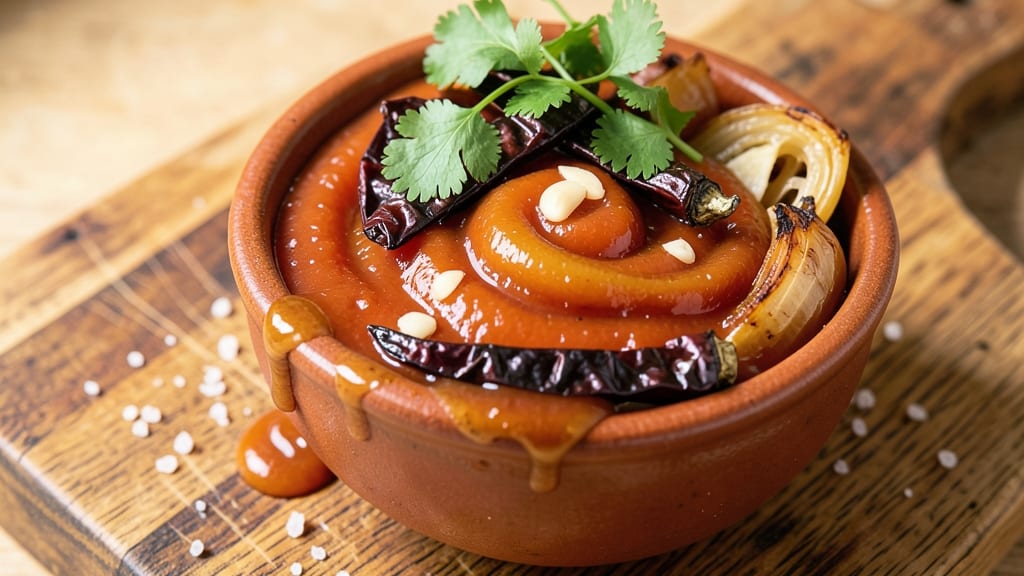
This all-natural barbecue sauce recipe brings smoky depth and tangy sweetness without artificial preservatives—perfect for pitmasters and home cooks alike. 🔥 I developed it after years of perfecting smoky flavors using just tomatoes, vinegar, and natural sweeteners.
The chipotle peppers add that signature heat while keeping the sauce approachable for everyday use.
The secret lies in slow-cooking the sauce to develop complex flavors, then balancing sweetness with vinegar for that classic tang. No thickeners or additives here—just real ingredients that build rich, caramelized layers. This sauce works equally well on ribs, chicken, or even as a dipping sauce for veggies.
What you’ll end up with is a velvety-smooth sauce with just the right kick—no aftertaste, no artificial ingredients. The slow reduction process concentrates the flavors, making every brush or dip burst with smoky-sweet intensity. Store it in the fridge for up to 2 weeks or freeze for longer shelf life.
For variations, adjust the chipotle for heat or add a splash of coffee for deeper smokiness. The options are endless, but the base recipe stays true to its natural roots. Let’s make sauce that stands up to any cookout.
Ingredients for all natural barbecue sauce
Nine ingredients transform into a velvety-smooth sauce with smoky depth and natural sweetness.
| Ingredient | Amount | Notes |
|---|---|---|
| San Marzano Tomato Paste 🍅 | ½ cup | High-quality, no added salt |
| Apple Cider Vinegar 🍎 | ½ cup | For tangy balance |
| Brown Sugar 🍚 | ¾ cup | Light or dark preferred |
| Adobo-Soaked Chipotle Peppers 🌶️ | 2 whole | Seeds removed for mild heat |
| Yellow Onion 🧅 | 1 whole | Medium, finely chopped |
| Garlic Cloves 🧄 | 4 cloves | Fresh, minced |
| Extra-Virgin Olive Oil 🫒 | ¼ cup | For richness |
| Ground Cumin 🌿 | 1 tsp | Toasted for depth |
| Smoked Paprika 🌶️ | 1 tsp | For smoky flavor |
| Kosher Salt 🧂 | 1 tsp | Diamond Crystal preferred |
The San Marzano tomatoes are non-negotiable here—their sweetness and acidity create the perfect base. Look for canned whole tomatoes at specialty stores like Whole Foods or Trader Joe's for the best quality. The apple cider vinegar should be raw and unpasteurized for maximum tang. Chipotle peppers are available in cans at Latin markets or the international aisle of most supermarkets. Penzeys carries excellent adobo-soaked peppers if you prefer convenience. For the onion, yellow onions work best—they caramelize beautifully during the slow reduction process.
No San Marzano tomatoes? Crushed tomatoes in a can will work, but reduce them longer for thicker texture. Substitute maple syrup for brown sugar if you're avoiding refined sugar, though the flavor profile will shift slightly. Hot sauce can replace chipotle for heat, but you'll lose the smoky depth. For smoked paprika, regular paprika plus a pinch of liquid smoke works in a pinch. The olive oil is crucial—avoid light or refined oils as they lack the fruity notes needed for complexity. If you're sensitive to acidity, reduce the vinegar by one tablespoon and add an extra splash of water.
This sauce develops best when made ahead—flavors meld beautifully after 24 hours. Store in an airtight container in the fridge for up to 2 weeks, or freeze for 6 months. For longer shelf life, portion into ice cube trays before freezing. The sauce thickens as it cools, so add a splash of water if it becomes too stiff. Reheat gently on the stove, stirring frequently to prevent scorching. The caramelized edges are worth the extra minute of attention—that's where the magic happens.
Why You'll Love This Recipe
- Five-Ingredient Magic: I swear by this lineup—San Marzano paste, vinegar, and brown sugar do the heavy lifting while the chipotles add just enough smoky punch. No weird additives, no measuring headaches, just pure, balanced flavor that tastes like it simmered all day (even though it didn’t).
- Smoky-Sweet Balance: That adobo-soaked chipotle? It’s the secret weapon—deep, fruity heat that lingers without overpowering. The brown sugar caramelizes into a glossy finish, and the apple cider vinegar cuts through the richness like a knife. Honestly, it’s the kind of sauce I’ll fight someone for at a cookout.
- Weeknight to BBQ: Slather it on grilled chicken for Tuesday dinners or toss it with roasted veggies for a crowd. The thick consistency means it clings perfectly, and the natural sweetness makes it kid-approved (yes, even on a Tuesday). Between us, I’ve used it on everything from brisket to baked potatoes—and it’s never let me down.
- Make-Ahead Goldmine: This sauce tastes better the next day—seriously, the flavors meld into something richer. Store it in the fridge for up to two weeks, or freeze batches for lazy Sundays. I double the recipe every time because I’m always grabbing a jar from the freezer when I’m in a pinch. Budget-friendly? Absolutely. Time-saving? Even more so.
Step-by-step instructions for smoky tomato-chipotle barbecue sauce
Here's how to craft a vibrant, naturally preserved barbecue sauce with deep smoky layers.
🔥 Step 1: Bloom the Spices in Olive Oil
Heat the 0.25 cup extra-virgin olive oil in a medium saucepan over medium-low heat. Add the 1 teaspoon ground cumin and 1 teaspoon smoked paprika, stirring constantly for 30 seconds until fragrant. This step develops the aromatic base—you'll notice the spices release their essential oils and fill your kitchen with warm, earthy notes.
Watch the oil carefully—it should shimmer but not smoke. If it darkens too quickly, reduce the heat immediately. The goal is to toast the spices without burning them, as this creates the foundational flavor complexity for your sauce. Once the spices are aromatic, add the 1 whole yellow onion, finely chopped, and cook for 5-6 minutes until softened and translucent.
🍳 Step 2: Build the Sauce Base with Tomato and Vinegar
Reduce the heat to medium and add the 0.5 cup San Marzano tomato paste, stirring continuously to prevent scorching. Cook for 2-3 minutes until the raw tomato flavor dissipates and the mixture darkens slightly. This step transforms the paste from a concentrated block into a smooth, flavorful base.
Next, pour in the 0.5 cup apple cider vinegar and scrape up any browned bits from the bottom of the pan with a wooden spoon. These caramelized fragments carry concentrated flavor—don't miss them. Add the 4 minced garlic cloves and cook for another 1 minute until fragrant. The acidity from the vinegar brightens the sauce while balancing the richness of the olive oil.
🥘 Step 3: Incorporate Sweetness and Heat
Add the 0.75 cup brown sugar and stir until completely dissolved. Then, carefully add the 2 adobo-soaked chipotle peppers, seeds removed, and their adobo sauce. The peppers should be finely chopped to ensure even distribution of heat. Increase the heat to medium-high and bring the mixture to a gentle boil, stirring frequently.
Here's where the sauce transforms—reduce the heat to medium-low and simmer uncovered for 15-20 minutes, stirring occasionally. You're looking for a thick, glossy consistency that coats the back of a spoon. The sugar caramelizes slightly, deepening the flavor, while the vinegar continues to mellow. The sauce should reduce by about 30-40%, intensifying all the flavors.
🔪 Step 4: Season and Refine the Texture
Remove the sauce from heat and stir in the 1 teaspoon kosher salt. Taste and adjust the seasoning—you may need a pinch more salt or a splash of vinegar to balance the sweetness and heat. For a smoother texture, use an immersion blender to blend the sauce until completely smooth, or carefully transfer it to a blender and puree until silky.
Return the sauce to the pan if needed and simmer for another 5 minutes to drive off any raw flavors from blending. The final sauce should be thick enough to coat the back of a spoon but still pourable. If it's too thick, thin with 1-2 tablespoons water or vinegar. Let it cool to room temperature before storing—this allows the flavors to meld completely.
Pro Tips For Making All Natural Barbecue Sauce
- Simmer Slow and Low: I learned this the hard way—boiling your sauce too fast just makes it thin and watery. Keep it at a gentle simmer, barely bubbling, so the flavors meld instead of evaporating. (Yes, even if you’re impatient like me.)
- Toast the Onion First: Charring the onion in a dry pan for 3-4 minutes before adding it to the sauce brings out its natural sweetness and depth. It’s the thing that makes your sauce taste homemade, not store-bought.
- Seed the Chipotles: Unless you love tiny pepper seeds in every bite, remove them from the adobo-soaked chipotles before blending. I used to skip this, and it always felt like I was chewing on a surprise.
- Balance the Vinegar Last: Add the apple cider vinegar near the end—it brightens the sauce but can also make it too sharp if overdone. Taste as you go, and adjust with a pinch more brown sugar if needed. (Your future self will thank you.)
Serving suggestions for this recipe
Classic BBQ Pairings
This sauce shines on classic barbecue staples like pork ribs or pulled pork. Brush it on generously during the last 10-15 minutes of cooking to create a caramelized crust. For ribs, I recommend a 3-2-1 method: 3 hours smoked, 2 hours wrapped, 1 hour glazed.
The sauce's smoky depth complements the meat perfectly, while the tangy sweetness cuts through the fat. 🔥
Versatile Dipping Sauce
Serve this sauce as a dipping sauce for fried chicken tenders or crispy tofu bites. The balance of heat and sweetness makes it irresistible. I like to pair it with cool ranch dressing on the side for a tangy contrast.
For extra flair, sprinkle with crumbled feta cheese or chopped cilantro right before serving. The sauce's natural richness stands up to fried foods beautifully.
Grilled Veggie Enhancer
Don't limit this sauce to meat—it's fantastic on grilled vegetables too. Toss portobello mushrooms, eggplant slices, or bell peppers in the sauce before grilling. The smoky flavors infuse the vegetables perfectly, creating a delicious vegetarian option.
I often serve this with grilled asparagus and a sprinkle of parmesan cheese for a complete meal. The sauce's depth elevates simple veggies to restaurant-quality.
Breakfast BBQ Twist
Start your day with a barbecue-inspired breakfast by using this sauce on pancakes or waffles. The smoky-sweet flavor pairs wonderfully with crispy bacon or scrambled eggs.
For extra indulgence, drizzle it over French toast made with challah bread and top with whipped cream. This unexpected combination is a crowd-pleaser at brunch gatherings. 💫
Global Flavor Fusion
Take your barbecue to new heights by pairing this sauce with unexpected dishes. Use it as a marinade for grilled shrimp skewers or as a glaze for teriyaki chicken. The chipotle heat works beautifully with Asian-inspired dishes, while the smoky depth complements Mexican flavors like tacos or nachos.
I've even used it as a dipping sauce for spring rolls—the contrast is amazing!
Dessert Surprise
Yes, you read that right—this sauce can be used in desserts! Drizzle it over vanilla ice cream or cheesecake for a sweet-and-smoky twist. The heat from the chipotle balances the richness perfectly.
For a unique treat, spread it on warm cinnamon rolls before baking. The sauce's depth adds complexity to sweet dishes, creating a memorable flavor experience. 🍰
Nutrition facts
Frequently asked questions
Can I make this sauce without chipotle peppers?
Yes! For a milder heat, swap the chipotle peppers with 1-2 teaspoons of cayenne pepper or 1 tablespoon of hot sauce. If you prefer no heat at all, omit them entirely and add an extra ½ teaspoon of smoked paprika to maintain the smoky flavor. The sauce will still taste rich and tangy, just without the kick.
How do I adjust the sweetness level?
The brown sugar provides natural sweetness, but you can easily modify it. For a sweeter sauce, add 1-2 extra tablespoons of brown sugar or substitute with maple syrup. For less sweetness, reduce the sugar by 2 tablespoons or add 1 extra tablespoon of apple cider vinegar to balance. Taste as you go—this sauce is all about finding your perfect balance.
What’s the best way to store leftover sauce?
Store the sauce in an airtight container in the fridge for up to 2 weeks. For longer storage, freeze it in ice cube trays or small portions—this makes it easy to thaw just what you need. When reheating, warm it gently on the stove over low heat, stirring frequently to prevent scorching. The sauce may thicken as it cools, so thin with a splash of water or vinegar if needed.
Can I make this sauce without a blender?
If you don’t have an immersion or regular blender, simply stir the sauce vigorously with a whisk or fork after simmering. The texture will be slightly chunkier but still delicious. For a smoother result, let the sauce sit for 10 minutes off the heat before tasting—sometimes resting helps the ingredients meld naturally.
Why does my sauce taste too tangy or vinegary?
This usually happens if the vinegar wasn’t fully incorporated or if the sauce reduced too quickly. To fix it, add 1-2 teaspoons of brown sugar or honey and simmer for 5 more minutes to balance the acidity. For future batches, reduce the vinegar by 1 tablespoon or let the sauce simmer uncovered for 5 extra minutes to mellow the tang.