
Sauces & Condiments
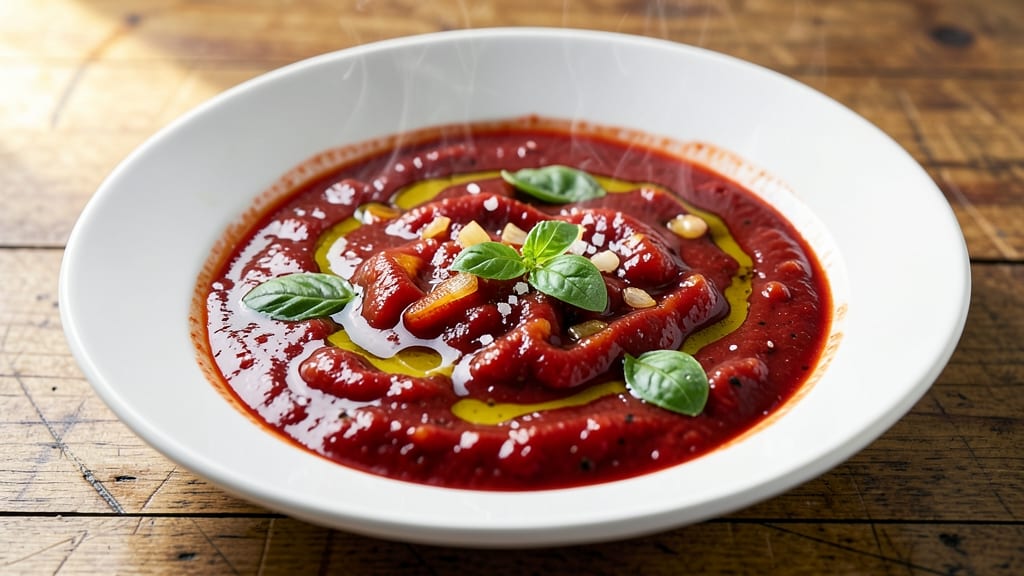
This all-day marinara sauce transforms simple ingredients into a deeply flavorful, restaurant-quality sauce that builds complexity hour by hour. The secret lies in slow simmering—allowing tomatoes, garlic, and herbs to meld into a velvety, umami-rich base that clings perfectly to pasta, pizza, or crusty bread.
I developed this recipe after years of experimenting with quick sauces that never quite delivered the same depth, and this method changed everything.
The process is straightforward but requires patience: crushed tomatoes simmer gently with aromatics for at least 2 hours, letting flavors develop and sugars caramelize into a rich, tangy-sweet sauce.
A splash of red wine and a sprinkle of dried oregano add layers of complexity, while fresh basil added at the end brightens the finish. The result?
A sauce so versatile it elevates any dish it touches, with a texture that’s silky yet robust enough to stand up to hearty toppings.
What sets this marinara apart is its umami richness—achieved through slow reduction and careful seasoning—that turns ordinary meals into something extraordinary. The sauce thickens beautifully as it cools, making it perfect for meal prep, and its balanced acidity ensures it won’t overpower your favorite dishes.
Whether you’re tossing it with al dente pasta, spreading it on garlic bread, or using it as a dipping sauce, this marinara delivers restaurant-quality flavor with minimal effort.
Store it in the fridge for up to 5 days or freeze for months, so you’ll always have a pantry staple ready to transform your cooking. Let’s get started—your taste buds will thank you.
Ingredients for all day marinara sauce
Nine simple ingredients transform into a velvety, umami-rich marinara that builds depth over hours of simmering.
| Ingredient | Amount | Notes |
|---|---|---|
| San Marzano Crushed Tomatoes 🍅 | 28 oz | High-quality, no salt added |
| Extra-Virgin Olive Oil 🫒 | ½ cup | Fruity, peppery variety preferred |
| Yellow Onion 🧅 | 1 whole | Finely diced, about 1.5 cups |
| Garlic Cloves 🧄 | 6 cloves | Mince finely for depth of flavor |
| Dry Red Wine 🍷 | ½ cup | Bold Cabernet or Merlot works best |
| Canned Tomato Paste 🍅 | 2 tbsp | High-quality, no sugar added |
| Dried Oregano 🌿 | 1 tsp | Mediterranean or Italian variety |
| Kosher Salt 🧂 | 1 ½ tsp | Diamond Crystal preferred |
| Fresh Basil Leaves 🌿 | ¼ cup | Packed, stems removed for garnish |
| Black Peppercorns 🌶️ | ½ tsp | Freshly cracked for best flavor |
The crushed tomatoes are the foundation—San Marzano is non-negotiable for that natural sweetness and rich flavor. Grab a 28-ounce can from Whole Foods or Trader Joe's; their no-salt-added versions let you control the seasoning perfectly. The olive oil matters too—skip the cheap stuff. California Olive Ranch or Colavita are my go-tos for that fruity, peppery kick that elevates everything. For the garlic, fresh is a must—jarred minced loses its punch fast. If you're prepping ahead, peel and store the cloves in the freezer for up to 3 months.
No red wine? Dry white wine or even extra tomato paste will work in a pinch, though the wine adds that subtle depth. The oregano should be Italian or Mediterranean—Mexican oregano has a different profile. For salt, Diamond Crystal dissolves more easily than table salt, so you can adjust to taste without graininess. The basil goes in at the end—fresh is ideal, but if you're making this ahead, use dried at half the amount. Pro tip: toast the tomato paste in the olive oil for 2 minutes before adding liquid—it deepens the flavor like magic.
This sauce only gets better with time—2+ hours of simmering is ideal, but it's worth it. Store in airtight containers in the fridge for 5-7 days, or freeze for up to 6 months. For meal prep, portion into ice cube trays, then transfer to freezer bags. Thaw overnight in the fridge or toss frozen cubes directly into hot pasta—no defrosting needed. The texture thickens as it cools, so thin with a splash of water or broth if needed.
Why You'll Love This Recipe
- No Chopping Needed: I swear, the only knife work here is dicing one onion and mincing a few garlic cloves—then it’s just simmering. The San Marzano tomatoes do all the heavy lifting while you sip your wine (yes, the recipe calls for it).
- Deep, Wine-Kissed Richness: That splash of dry red wine? It’s not just for show—it mellows into a velvety depth that makes store-bought sauce taste like a sad afterthought. The slow simmer lets the flavors meld into something ridiculously good.
- Meal Prep MVP: Double the batch, freeze half, and you’ve got a pantry staple for lazy nights or last-minute company. Toss it with pasta, dollop on grilled cheese, or stir into scrambled eggs—this sauce is the ultimate lazy-day hero.
- Budget-Friendly Luxury: San Marzano tomatoes and good olive oil might sound fancy, but they stretch forever and turn basic meals into something special. Honestly, this is the kind of sauce that makes you feel like you’re eating at a trattoria—without the price tag.
Step-by-step instructions for all-day marinara sauce
Here's how to build deep, complex flavor through slow simmering and aromatic development.
Sauté Onion and Garlic Until Translucent
Heat the 0.5 cup extra-virgin olive oil in a large, heavy-bottomed pot over medium heat. Add the finely diced yellow onion and cook for 8-10 minutes until completely softened and translucent. You'll see the edges start to caramelize slightly—that's when you know it's ready.
Reduce heat to medium-low and add the minced garlic cloves. Cook for another 1-2 minutes until the garlic is fragrant but not browned. Watch carefully—garlic burns quickly and turns bitter. If it starts to darken, remove the pot from heat for 30 seconds to cool slightly before continuing.
Deglaze with Wine and Add Tomato Base
Pour in the 0.5 cup dry red wine and scrape the bottom of the pot vigorously with a wooden spoon to release all the browned bits. This deglazing step captures all the flavor that would otherwise stick to your pot. Let it simmer for 3-4 minutes until the wine has mostly evaporated and reduced by about half.
Next, stir in the 2 tablespoons canned tomato paste and cook for 1 minute to toast it slightly. This step deepens the sauce's complexity by adding a subtle caramelized note. The paste will disappear quickly, so keep stirring constantly.
Build the Sauce with Tomatoes and Seasonings
Add the 28 oz San Marzano crushed tomatoes, 1 teaspoon dried oregano, and 1.5 teaspoons kosher salt. Stir well to combine, then increase heat to medium-high and bring to a gentle boil. Once boiling, reduce heat to low and let it simmer uncovered for 45-60 minutes.
Here's where patience pays off—the sauce should reduce by about 25% as it develops concentrated flavor. Stir occasionally, breaking up any tomato skins that rise to the surface. You'll notice the sauce thicken gradually and develop a glossy sheen. This is the sign of a properly developed marinara.
Finish with Fresh Basil and Black Pepper
After the initial simmering time, taste the sauce and adjust seasoning if needed. The acidity from the tomatoes should balance with the richness of the olive oil. Add the 0.25 cup fresh basil leaves and let them steep in the sauce for 5 minutes to infuse their bright, aromatic flavor.
Remove the pot from heat and stir in the 0.5 teaspoon freshly cracked black peppercorns. The heat from the sauce will help release the pepper's oils, adding a subtle piquancy. Let the sauce sit off heat for 5-10 minutes to allow the flavors to meld completely. The basil will continue to release its aroma during this time.
Pro Tips For Making All Day Marinara Sauce
- Sweat the Onion First: I learned this the hard way—chopping onions and throwing them raw into the pot just makes your sauce taste raw. Take 5 minutes to cook the finely diced onion in olive oil over medium heat until it’s translucent and just starting to turn golden. This removes the sharp bite and builds flavor that’ll carry through hours of simmering.
- Deglaze with Wine Immediately: Don’t let that red wine sit in the pot like an afterthought. As soon as you remove the garlic (after it’s just golden, not burned), pour in the wine and let it bubble away for 2-3 minutes. This step actually pulls more flavor from the garlic and onion, and the alcohol evaporates, leaving behind a deeper, richer base for your sauce.
- Stir and Skim Early: The first 20 minutes are where your sauce makes up its mind. Stir frequently—especially when the tomatoes hit—and skim off any foam or scum that rises to the top. I know, it’s tedious, but skipping this means you’ll end up with a sauce that tastes dull or bitter. A spoon every 5 minutes guarantees a cleaner, brighter finish.
- Simmer Low and Long: Yes, it’s tempting to crank the heat, but this isn’t a race. After the wine evaporates, drop the heat to a gentle simmer and let it cook uncovered for at least 4 hours—ideally 6-8. The longer it goes, the deeper the flavors meld, and the tomatoes break down into a velvety texture. Trust the process, even if you’re impatient like me.
Make-ahead tips for all day marinara sauce
Prep Ahead Like a Pro
Start by prepping all your ingredients the night before—dice the onion and mince the garlic, then store them in airtight containers in the fridge. The tomatoes, wine, and spices can stay on the shelf until you're ready to cook.
This saves 15-20 minutes of prep time on the day you make the sauce. I like to use a sharp chef's knife for the onion and a garlic press for the cloves to make chopping faster. 🧅
Slow Cooker Option
For hands-off cooking, transfer the sautéed onions and garlic to a 6-quart slow cooker, then add all remaining ingredients except the fresh basil. Cook on low heat for 6-8 hours or high heat for 3-4 hours.
The sauce will thicken beautifully in the slow cooker, and you can stir in the basil at the end. This method is perfect for busy weeknights when you can't monitor the stove.
Freezer-Friendly Portions
Divide the cooled sauce into 1-cup portions in freezer-safe containers or silicone ice cube trays. Once frozen, transfer the cubes to a labeled freezer bag. These individual portions thaw quickly in the fridge overnight or can be tossed directly into hot pasta water for instant flavor.
I keep a stash of these in my freezer so I always have marinara on hand for last-minute meals. ❄️
Thawing and Reheating
To thaw frozen marinara, transfer it to the fridge overnight. If you're in a hurry, place the container in a bowl of warm water for 20-30 minutes. For reheating, warm the sauce in a saucepan over medium-low heat for 5-10 minutes, stirring occasionally.
If it thickens too much, add a splash of water or broth to reach your desired consistency. Never microwave—it can make the sauce watery and dull the flavors.
Meal Prep Timeline
Make this sauce on a Sunday and you'll have a flavorful base for the entire week. Store it in the fridge for up to 5 days, or freeze for up to 6 months without losing quality.
I like to portion it into glass jars with snap-on lids for easy grab-and-go access. Label each jar with the date to keep track of freshness. The sauce actually tastes better after a few days as the flavors continue to meld and deepen.
Sauce Boosters
Want to take your marinara to the next level? Add 1 teaspoon balsamic vinegar or ½ teaspoon smoked paprika when you first add the tomatoes. For extra richness, stir in 2 tablespoons heavy cream or 1 tablespoon butter at the end.
These small additions can completely transform the sauce while keeping the prep simple. 💫
Nutrition facts
Frequently asked questions
Why does simmering marinara for hours make it taste better?
The long simmer breaks down the tomatoes' natural sugars, creating a caramelized depth that enhances umami flavors. It also allows the wine and herbs to meld completely, transforming simple ingredients into a complex, balanced sauce. Think of it as a slow dance between acidity and richness.
Can I use regular canned tomatoes instead of San Marzano?
Yes, but you'll lose some natural sweetness and depth. For best results, choose high-quality canned tomatoes (like Muir Glen) and add ½ teaspoon sugar to compensate. The sauce will still be delicious, just slightly less refined than San Marzano's premium profile.
How do I fix marinara that's too acidic?
Balance the acidity by adding 1 tablespoon tomato paste or ½ teaspoon sugar to sweeten it naturally. Simmer for 5-10 minutes to let the flavors integrate. If it's still too sharp, a pinch of salt can help round out the flavors without overpowering.
What's the best way to reheat leftover marinara?
Gently warm it in a saucepan over medium-low heat for 5-10 minutes, stirring frequently. Never microwave—it can make the sauce watery and dull the flavors. If it thickens too much, add a splash of water or pasta water to restore the perfect consistency.
Can I make this sauce in a Dutch oven?
A Dutch oven is perfect for this recipe as it distributes heat evenly and prevents scorching. The heavy material also helps maintain a steady simmer, which is key for developing deep flavor. Just be sure to use medium-low heat to avoid boiling it dry.