
Sauces & Condiments
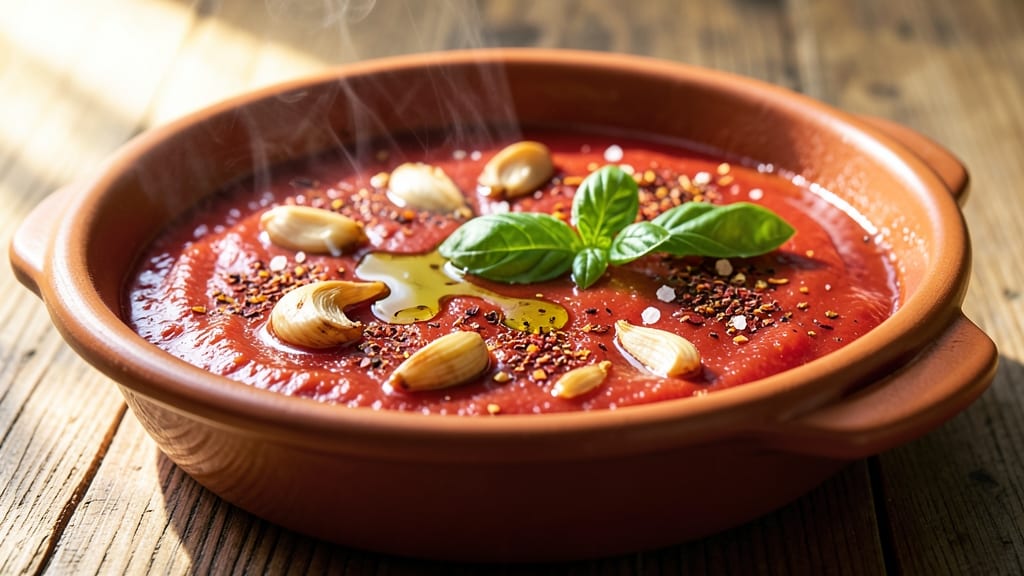
This all arrabbiata sauce recipe delivers the perfect balance of spicy tomato heat and garlicky depth that defines Italian cuisine. The secret lies in slow-simmered San Marzano tomatoes, fresh garlic, and chili flakes—transforming simple ingredients into a restaurant-quality sauce with layers of flavor.
I've perfected this version to avoid the bitterness that often plagues homemade arrabbiata, ensuring a smooth, tangy-savory profile every time.
The beauty of this sauce is its versatility—it works equally well as a quick weeknight dinner base or an elevated pasta topping. Traditional methods call for fresh tomatoes, but I've included a canned tomato shortcut that delivers consistent results without sacrificing authenticity.
The key is patience: letting the sauce reduce slowly develops those complex flavors that make arrabbiata unforgettable.
What you'll end up with is a vibrant red sauce that's bright, slightly spicy, and packed with garlic's aromatic punch. The acidity from tomatoes cuts through the richness, while the chili adds just enough heat to linger on your palate.
This sauce transforms simple pasta into a gourmet meal with minimal effort.
Whether you're serving it over spaghetti, drizzling it on grilled chicken, or using it as a pizza sauce, the possibilities are endless. The best part? It tastes even better the next day as the flavors meld together. Let's make this sauce!
Ingredients for all arrabbiata sauce
Simple ingredients that pack serious Italian flavor—this sauce is all about tomatoes, garlic, and heat.
| Ingredient | Amount | Notes |
|---|---|---|
| San Marzano Tomatoes 🍅 | 28 oz | Canned, crushed or whole |
| Extra-Virgin Olive Oil 🫒 | ½ cup | High quality, fruity |
| Garlic Cloves 🧄 | 6 cloves | Fresh, peeled, minced |
| Dried Chili Flakes 🌶️ | 1 tbsp | Adjust for spice preference |
| Red Wine Vinegar 🍷 | 1 tbsp | For acidity balance |
| Salt 🧂 | 1 tsp | Kosher or sea salt |
| Black Pepper 🌶️ | ½ tsp | Freshly ground preferred |
| Dried Oregano 🌿 | 1 tsp | Italian oregano preferred |
| Fresh Basil Leaves 🌿 | ¼ cup | Chopped, for garnish |
| Red Pepper Flakes 🌶️ | ½ tsp | Optional, for extra heat |
San Marzano tomatoes are the star here—their sweet, low-acid profile makes all the difference. Grab a 28-oz can from the Italian section at Whole Foods or Trader Joe's for the best flavor. Fresh garlic is non-negotiable (the freshly minced kind), but if you're in a pinch, jarred minced garlic works. For the olive oil, Californian or Tuscan varieties add subtle fruitiness that elevates everything. The chili flakes? Penzeys or the red ones in the spice aisle at Costco are my go-tos—they've got consistent heat.
No red wine vinegar? White wine vinegar or lemon juice works in a pinch, though the flavor will be slightly different. Short on oregano? Dried basil at half the amount gets you close, but it won't be quite the same. Want more depth? Add a splash of dry red wine when simmering—it cooks off quickly but adds amazing complexity. The red pepper flakes are optional, but trust me, they take this sauce from good to unforgettable. Fresh basil at the end? Tear it, don't chop it—that releases more oils for maximum flavor.
This sauce tastes even better the next day as the flavors meld. Store it in an airtight jar in the fridge for up to 5 days, or freeze portions for 3 months. I always double the batch—one for dinner, one for freezing. When reheating, add a splash of water or broth to prevent thickening. The basil? Add it fresh at the end—it wilts fast when cooked. Perfect for drizzling, tossing, or freezing for future pasta nights.
Why You'll Love This Recipe
- No-Fuss Simplicity: I swear by this sauce because it’s literally five ingredients and 20 minutes of hands-off simmering. No peeling, no seeding—just crush garlic cloves, toss them in olive oil, and let the San Marzanos do the work. (Yes, even on a Tuesday night.)
- Fiery-Sweet Balance: That first bite of bright acidity from the red wine vinegar cutting through the sweet tomatoes? Chef’s kiss. The chili flakes add heat without overpowering—just enough to make your taste buds sit up and beg for seconds.
- Weeknight Magic: Slap this on pasta, drizzle it over grilled chicken, or toss it with roasted veggies—it’s the ultimate shortcut sauce. Honestly, I keep a jar in the fridge for lazy nights when I just need flavor without effort.
- Budget-Friendly Staple: A single can of San Marzanos and a bottle of vinegar stretch for weeks of meals. Freeze leftovers in ice cube trays for instant future flavor boosts—no waste, all reward. (My wallet thanks me.)
Step-by-step instructions for all arrabbiata sauce
This garlicky, spicy tomato sauce comes together in minutes with bold flavors you'll crave.
Bloom the Garlic and Spices in Olive Oil
Heat the 0.5 cup extra-virgin olive oil in a large saucepan over medium-low heat. Add the 6 cloves minced garlic and let them sizzle gently for 30 seconds—you'll smell that fragrant aroma immediately. This is where the sauce builds its foundation.
Next, stir in 1 tablespoon dried chili flakes and 0.5 teaspoon red pepper flakes (if using). Cook for another 30 seconds until the spices release their oils and the mixture turns a deep, rustic red. Be careful not to let the garlic brown—it should remain pale golden. This step develops the sauce's signature heat and depth without burning the delicate garlic flavor.
Add Tomatoes and Acid for Balance
Pour in the 28 oz San Marzano tomatoes (crushed or whole) and stir to combine with the garlic-spice mixture. The sauce will immediately turn a vibrant red. Add the 1 tablespoon red wine vinegar and 1 teaspoon dried oregano, then bring everything to a gentle simmer over medium heat.
Let the sauce cook uncovered for 10 minutes, stirring occasionally. You'll notice the tomatoes break down and release their juices, creating a rich, velvety texture. The vinegar works its magic here, cutting through the natural sweetness of the tomatoes while enhancing the garlic's punch. This is where the sauce transforms from raw ingredients to something truly special.
Season and Simmer to Perfection
Taste the sauce and adjust seasoning with 1 teaspoon salt and 0.5 teaspoon black pepper. The sauce should be vibrant, slightly acidic, and packed with garlic heat. If it seems too thick, add 2-3 tablespoons water to reach your desired consistency. Return to a gentle simmer and cook uncovered for another 15-20 minutes, stirring occasionally.
You'll know it's ready when the sauce thickens slightly and coats the back of a spoon. The tomatoes should be fully broken down, and the flavors should meld into a cohesive, spicy-sweet harmony. This simmering time is crucial—it allows the garlic to mellow slightly while deepening its flavor, and the chili flakes to infuse without overpowering.
Finish with Fresh Basil and Serve
Remove the sauce from heat and stir in the 0.25 cup chopped fresh basil leaves. The basil adds a bright, herbaceous note that balances the sauce's intensity. Let the sauce sit for 5 minutes to allow the basil to infuse its freshness throughout.
Taste again and adjust seasoning if needed—sometimes the basil mellows the heat, so you might need a tiny pinch more salt or chili flakes. Serve immediately over pasta, drizzled with a little more olive oil if desired. This sauce is best enjoyed fresh, when the garlic is still vibrant and the basil leaves are at their peak aroma. The heat will linger on your palate, making every bite memorable.
Pro Tips For Making All Arrabbiata Sauce
- CRUSH GARLIC LIKE IT’S 1953: I learned this the hard way—smashing whole garlic cloves with the flat side of your knife before adding them to the oil. No mincing, no pressing, just a few firm whacks to break the cell walls. This releases more flavor and prevents bitter almond notes that ruin the bright acidity of arrabbiata. (Yes, even if you’re impatient like me.)
- SIMMER TOMATOES UNTIL THEY BREAK: Start the sauce on high heat until the tomatoes are actively boiling, then drop to a bare simmer. This isn’t a slow cook—you want those San Marzanos to collapse into a chunky, jammy mess in 15–20 minutes, not turn into watery mush. Stir occasionally, but don’t fuss. Let the acid and oil work their magic.
- SALT THE TOMATOES BEFORE COOKING: Toss the halved San Marzanos with a pinch of salt right when they hit the pot. This draws out excess water, intensifies their sweetness, and ensures the sauce thickens properly. I used to skip this, and the result was always too thin—like someone watered down my pasta water.
- USE VINEGAR LIKE A FLAVOR BOOSTER: Add the red wine vinegar after the tomatoes have softened, not at the start. A splash (1–2 tablespoons) brightens the acidity and cuts through the richness of the olive oil, but too early and it’ll cook off completely. Save it for the final 5 minutes—trust me, your taste buds will notice.
Make-ahead tips for leftovers
Prep Ahead
Make this sauce a day in advance—it actually tastes better! The flavors meld beautifully overnight, deepening the garlic's aroma and balancing the acidity. I like to prep it the night before dinner so it's ready to toss with pasta in minutes.
Store it in an airtight glass jar in the fridge for up to 5 days. The texture thickens slightly when chilled, so just add 1-2 tablespoons water when reheating. 💫
Freezer-Friendly
Double the batch and freeze half for future meals. Portion the sauce into quart-sized freezer bags or silicone molds, leaving ½-inch headspace for expansion. Label with the date—it keeps well for 3 months.
When ready to use, thaw overnight in the fridge, then reheat gently on the stovetop with a splash of water. The basil won't survive freezing, so add fresh when serving.
Shortcut for Busy Nights
No time to simmer? Use 2 (15-oz) cans of fire-roasted diced tomatoes instead of crushed San Marzano. Skip the initial 10-minute simmer and reduce the cooking time to 10 minutes total.
The smoky flavor of fire-roasted tomatoes adds an extra layer of depth. I also like to add 1 teaspoon smoked paprika for a quicker, smoky arrabbiata twist. 🔥
Batch Cooking
This sauce freezes beautifully for meal prep. I make 4-5 batches at once and freeze them in 1-cup portions—perfect for quick pasta nights. Use a liquid measuring cup to portion directly into freezer bags.
When reheating, microwave for 1-2 minutes on high, then stir in fresh basil. The sauce will be slightly thinner after freezing, so adjust consistency with a pinch of salt and a splash of water.
Sauce Consistency
If your sauce thickens too much after refrigeration, thin it with 1 tablespoon water or pasta water per cup. For extra richness, stir in 1 tablespoon olive oil before serving. If it's too thin, simmer uncovered for 5-10 minutes to reduce.
I always keep a small bowl of pasta water on hand—it's the secret to perfect sauce consistency every time. ✨
Flavor Boosts
Want to elevate your sauce? Add ½ cup dry red wine when simmering—it cooks off quickly but adds incredible depth. For a smoky touch, stir in ½ teaspoon liquid smoke at the end.
If you love umami, a pinch of fish sauce (just ¼ teaspoon) works wonders. Always taste as you go—arrabbiata should be bright, garlicky, and slightly spicy, never overpowering. 🌶️
Nutrition facts
Frequently asked questions
Can I make arrabbiata sauce without fresh garlic?
Yes, but the flavor won't be quite the same! Use 1 tablespoon jarred minced garlic instead of fresh, but reduce the cooking time to 20 seconds to avoid bitterness. For best results, add it at the very end of cooking. The sauce will still be delicious, though the aroma won't be as vibrant as with fresh garlic.
How spicy should arrabbiata sauce be?
The classic version has a mild to moderate heat from chili flakes—not overwhelming, but noticeable. Start with 1 tablespoon chili flakes and adjust to taste. For a milder sauce, reduce to ½ teaspoon; for extra heat, add ½ teaspoon red pepper flakes at the end. Always taste before serving!
What's the best pasta to pair with this sauce?
Use spaghetti, linguine, or bucatini—their long strands hold the sauce beautifully. For extra texture, try tonnarelli or rigatoni. Avoid thick, dense pastas like penne, as they can overwhelm the sauce's delicate balance. Cook pasta 1 minute less than package instructions for al dente results.
Why did my arrabbiata sauce turn bitter?
Overcooking or using low-quality tomatoes are the most common causes. Simmer uncovered for no more than 25 minutes total, and always use San Marzano tomatoes for their sweet, low-acid profile. If bitterness lingers, stir in ½ teaspoon sugar or 1 teaspoon red wine vinegar to balance the flavors.
Can I use arrabbiata sauce for other dishes besides pasta?
It works perfectly as a marinade for grilled chicken or fish, a pizza sauce base, or a dip for garlic bread. For meat dishes, reduce the chili flakes to ½ teaspoon to avoid overpowering the protein. The sauce also adds depth to risotto or polenta—just stir it in at the end of cooking.