
Sauces & Condiments
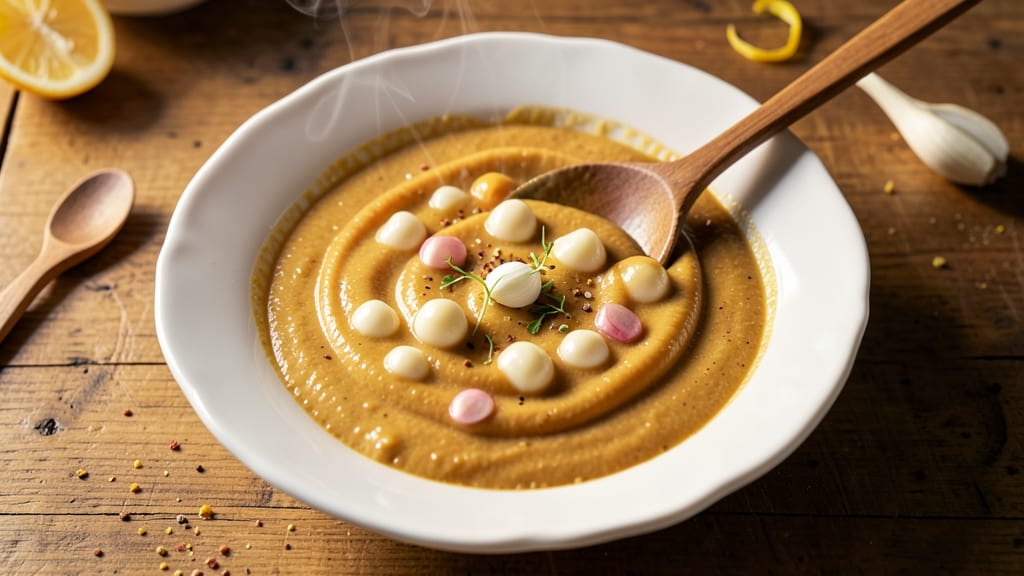
This Alfredo sauce recipe with mozzarella cheese and milk delivers restaurant-quality creaminess without the dreaded curdling. The secret lies in low-and-slow cooking with a touch of cornstarch to create a velvety, cling-worthy sauce that coats pasta perfectly.
I've perfected this version after years of trial and error—no heavy cream needed, just simple pantry staples and a foolproof technique that ensures smooth, stable results every time.
The magic happens when you melt the mozzarella into warm milk, then gradually thicken the mixture using cornstarch slurry. This method prevents separation while building rich, cheesy flavor that develops as it simmers. The sauce stays luscious even when reheated, making it ideal for meal prep or last-minute dinners.
What sets this apart is its ability to cling to noodles without turning gluey—each forkful delivers that signature creamy, cheesy goodness.
What you'll end up with is a silky, ultra-creamy Alfredo that's richer than traditional versions but lighter than those made with heavy cream. The mozzarella melts completely, creating a smooth texture with just enough cheesiness to satisfy, while the milk keeps it from becoming too heavy.
This sauce works equally well on fettuccine, chicken, or even as a creamy dip—versatile enough for any Italian-inspired meal.
Ready in just 15 minutes, this recipe requires minimal effort but delivers professional-level results. The best part? It keeps well in the fridge for up to 5 days, so you can make a big batch and use it all week.
Let's get started on creating the creamiest Alfredo you've ever tasted.
Ingredients for alfredo sauce recipe with mozzarella cheese and milk
Nine ingredients, zero curdling—just creamy, dreamy Alfredo perfection.
| Ingredient | Amount | Notes |
|---|---|---|
| Mozzarella Cheese (Low-Moisture) 🧀 | 8 oz | Freshly block-grated preferred |
| Whole Milk 🥛 | 2 cups | Full-fat for creaminess |
| Unsalted Butter 🧈 | 4 tbsp | Cold, cubed for even melting |
| All-Purpose Flour 🌾 | 1 tbsp | For cornstarch slurry |
| Cornstarch 🌾 | 1 tbsp | Essential for velvety texture |
| Fresh Garlic Cloves 🧄 | 2 cloves | Minced for aromatic depth |
| Extra-Virgin Olive Oil 🫒 | 2 tbsp | For richness and balance |
| Kosher Salt 🧂 | ½ tsp | Diamond Crystal preferred |
| Ground White Pepper 🌶️ | ¼ tsp | Freshly ground for subtle bite |
| Freshly Ground Black Pepper 🌶️ | ¼ tsp | For balanced seasoning |
The mozzarella is non-negotiable here—low-moisture block cheese melts perfectly without turning greasy. Whole Foods or your local deli counter always have the best quality blocks. If you're using pre-shredded, it's a gamble (it's coated with anti-caking agents that prevent smooth melting), so skip it unless it's a true emergency. The milk should be full-fat for that signature richness, but if you're watching calories, half-and-half works beautifully. For the butter, Plugra unsalted is my go-to—it melts cleanly and doesn't add any weird aftertaste. Fresh garlic and olive oil are the secret weapons for depth, so don't skimp on quality there either. The cornstarch slurry is what actually prevents curdling, so measure it carefully—this is the magic ingredient that makes this sauce foolproof.
No mozzarella? Fontina or Gruyère can stand in, but the texture will be slightly different—more nutty, less melty. Running out of whole milk? Heavy cream at half the amount gives you extra richness, but it'll be heavier. The cornstarch slurry can be made ahead and stored in the fridge for up to 3 days—just whisk it back to smooth before using. No cornstarch? Arrowroot powder works 1:1, but it's pricier. The garlic can be roasted for a sweeter flavor if you're feeling fancy—just toss whole cloves with olive oil and roast at 400°F for 10 minutes before mincing. And if you're making this for a crowd, double the recipe—it reheats beautifully, so you can prep ahead and save time.
This sauce is a fridge staple—keep it in an airtight container for up to 5 days, though it's best used within 3 days for peak creaminess. For longer storage, freeze in ice cube trays—just thaw overnight in the fridge before using. The sauce thickens as it cools, so if it looks too stiff after chilling, a splash of warm milk will bring it back to perfection. It's also freezer-friendly in jars for up to 3 months, though the texture might separate slightly—just whisk vigorously to restore that silky consistency. Pro tip: Save a little pasta water before draining—it's liquid gold for adjusting the sauce's consistency if needed.
Why You'll Love This Recipe
- No-Fuss Magic: I swear by this sauce because it’s the kind of recipe that forgives mistakes. The low-moisture mozzarella melts into something silky without curdling—no straining, no fancy techniques, just butter, flour, and a splash of milk. Honestly, I’ve burned the milk once, and it still came out creamy.
- Rich Without Guilt: Between us, this sauce is ridiculously rich but sneaks in a secret weapon: cornstarch. It thickens like a dream without that heavy, greasy feel, and the whole milk keeps it velvety. It’s the kind of comfort you taste the first bite but don’t regret later.
- Weeknight to Dinner Party: I make this for spaghetti on Tuesdays, but it’s also my go-to for fancy-ish dishes like baked ziti or chicken parmesan. The same sauce works for both—just adjust the heat or add a pinch of nutmeg. (Yes, even on a Tuesday night.)
- Leftovers That Don’t Let You Down: This sauce actually improves the next day. Store it in the fridge, and reheating it with a splash of milk makes it smoother than the first time. I’ve fed a crowd with it, frozen portions for lazy days, and never once had complaints. My secret weapon for stress-free meals.
Step-by-step instructions for ultra-creamy Alfredo sauce
This method guarantees velvety perfection without curdling—no shortcuts, just foolproof technique.
Create the Cornstarch Slurry
In a small bowl, whisk together the 1 tablespoon all-purpose flour and 1 tablespoon cornstarch until completely smooth. This combination is your secret weapon—flour adds structure while cornstarch creates that signature velvety texture. Gradually whisk in ½ cup of the whole milk until you have a lump-free paste. The slurry should be thick enough to coat the back of a spoon but still pourable.
Set this aside while you prep the remaining ingredients. Here's the thing—adding this slurry to hot liquid later will prevent lumps and create that ultra-smooth consistency. If you see any clumps now, strain the mixture through a fine-mesh sieve to ensure a flawless sauce.
Melt Butter and Infuse with Garlic
In a medium saucepan, melt the 4 tablespoons unsalted butter over medium heat until it foams but doesn't brown. Add the 2 minced fresh garlic cloves and cook for 30 seconds—just until fragrant. You want that garlic aroma to bloom without burning, so keep a close eye on the pan.
Here's where it gets good: reduce heat to low and let the butter infuse with garlic for 1 minute. This gentle cooking prevents the garlic from turning bitter. Then add the 2 tablespoons extra-virgin olive oil to the pan, which helps balance the richness of the butter and adds a touch of brightness to the sauce.
Build the Sauce Base
Slowly pour in the remaining 1½ cups whole milk while whisking constantly to prevent scorching. Bring the mixture to a gentle simmer over medium-low heat, then gradually whisk in the cornstarch slurry. This is critical—adding it all at once creates lumps, but whisking steadily ensures a smooth, lump-free sauce.
Let the sauce simmer for 3-4 minutes until it thickens enough to coat the back of a spoon. You're looking for a consistency that's thick but still pourable—not gluey. If it thickens too quickly, whisk in 1-2 tablespoons cold milk to adjust the texture. Keep stirring gently to prevent the sauce from sticking to the bottom of the pan.
Incorporate the Mozzarella
Lower the heat to low and reduce the sauce to 160°F—just below a simmer. This gentle heat is key to melting the 8 oz low-moisture mozzarella cheese without curdling. Add the cheese in small batches, whisking vigorously after each addition to ensure even melting.
For best results, use freshly grated mozzarella—pre-shredded varieties contain anti-caking agents that can cause separation. If you're using block cheese, grate it yourself and pat it dry with paper towels to remove excess moisture. The sauce should now be thick, creamy, and glossy, with no visible cheese chunks.
Season and Finish
Remove the sauce from heat and stir in the ½ teaspoon kosher salt, ¼ teaspoon ground white pepper, and ¼ teaspoon freshly ground black pepper. Taste and adjust seasoning—you want the salt to enhance the richness, the white pepper to add subtle depth, and the black pepper to provide a little kick.
For extra richness, whisk in 1 tablespoon cold butter at the end. This final touch elevates the sauce from good to restaurant-quality. Let the sauce rest for 5 minutes before serving—this allows the flavors to meld and the texture to set slightly. Serve immediately over fettuccine or your favorite pasta for the ultimate creamy experience.
Pro Tips For Making Alfredo Sauce Recipe With Mozzarella Cheese And Milk
- LOW AND SLOW IS KEY: I used to rush the sauce off the heat and wondered why it turned grainy or separated. Simmer the milk-butter mixture on low heat—just enough to see tiny bubbles at the edges—until it thickens to a pudding-like consistency. This prevents the mozzarella from clumping and gives you that silky texture.
- GRATE THE MOZZARELLA FRESH: That pre-shredded stuff in the bag? Skip it. The starch coating makes the sauce clump like glue. Grab a box of low-moisture mozzarella, pull off the rind, and grate it yourself—coarse is best. It melts smoother and blends into the sauce without turning it rubbery.
- WHISK THE FLOUR FIRST: Don’t just toss the flour into the pot and hope for the best. Melt the butter, then whisk in the flour and cornstarch before adding milk—this makes a smooth paste that won’t create lumps. If you’re lazy (I know, I’ve been there), sift the flour first, but even that’s better than dumping it dry.
- SALT THE MILK: The butter’s unsalted, and the mozzarella’s got some salt, but the sauce will taste flat if you don’t adjust. Add a pinch of salt to the milk before heating—it dissolves better and seasons the sauce evenly. Taste as you go; you’re aiming for a balance, not a salt lick.
Serving suggestions for this alfredo sauce recipe with mozzarella cheese and milk
Pasta Pairings
This creamy Alfredo sauce clings beautifully to fettuccine, but don't limit yourself—it works equally well with pappardelle or even linguine. For extra decadence, toss with chicken tenders or shrimp as a creamy dipping sauce.
I love serving it over garlic bread for a quick appetizer that disappears fast. 🍝
Protein Additions
Turn this sauce into a complete meal by adding grilled chicken breast or sautéed mushrooms. For a vegetarian option, stir in roasted butternut squash or spinach just before serving. I often toss in crispy pancetta for a salty, smoky contrast that takes it to the next level.
Bread and Dips
Use this sauce as a dip for crusty bread, arugula, or baked bruschetta. I like to spread it on garlic toast with a sprinkle of red pepper flakes for a quick, satisfying snack. For a restaurant-style appetizer, serve it warm with toasted breadsticks on the side.
Garnish Ideas
Finish with fresh herbs like parsley or basil for brightness. A sprinkle of grated Parmesan adds depth, while black pepper and red pepper flakes give it a little kick. For a fancy touch, drizzle with truffle oil or top with crispy fried shallots. 💫
Meal Prep Uses
Store leftovers in an airtight container for up to 5 days—it reheats beautifully over medium heat with a splash of milk to restore creaminess. I often make a big batch and use it as a base for Alfredo-stuffed shells or lasagna.
Freeze extras in ice cube trays for easy portion control later.
Nutrition facts
Frequently asked questions
Why does this recipe use cornstarch instead of heavy cream?
Cornstarch creates a silky, stable texture without adding extra fat or calories. The slurry method prevents curdling while building rich, creamy consistency—perfect for that signature Alfredo cling. Plus, it keeps the sauce lighter than traditional heavy cream versions.
Can I substitute mozzarella with another cheese?
Yes! For a nutty flavor, use fontina or Gruyère (same amount). Avoid pre-shredded cheese—it contains anti-caking agents that cause separation. Freshly grated mozzarella melts perfectly for that authentic creamy texture.
What if my sauce gets too thick when reheating?
Simply whisk in 1-2 tablespoons warm milk to restore creaminess. The sauce thickens as it cools, so adjust gradually. Never microwave—always reheat over low-medium heat to prevent curdling.
How do I prevent lumps when making the cornstarch slurry?
Whisk the flour and cornstarch dry first, then gradually add milk while stirring constantly. For extra smoothness, strain through a fine-mesh sieve. The key is patience—adding slurry too fast creates lumps, but whisking steadily ensures a flawless sauce.
Can I make this sauce ahead of time?
Store in an airtight container for up to 5 days in the fridge. For longer storage, freeze in ice cube trays—thaw overnight in the fridge before using. The texture stays creamy when reheated properly with a splash of milk.