
Sauces & Condiments
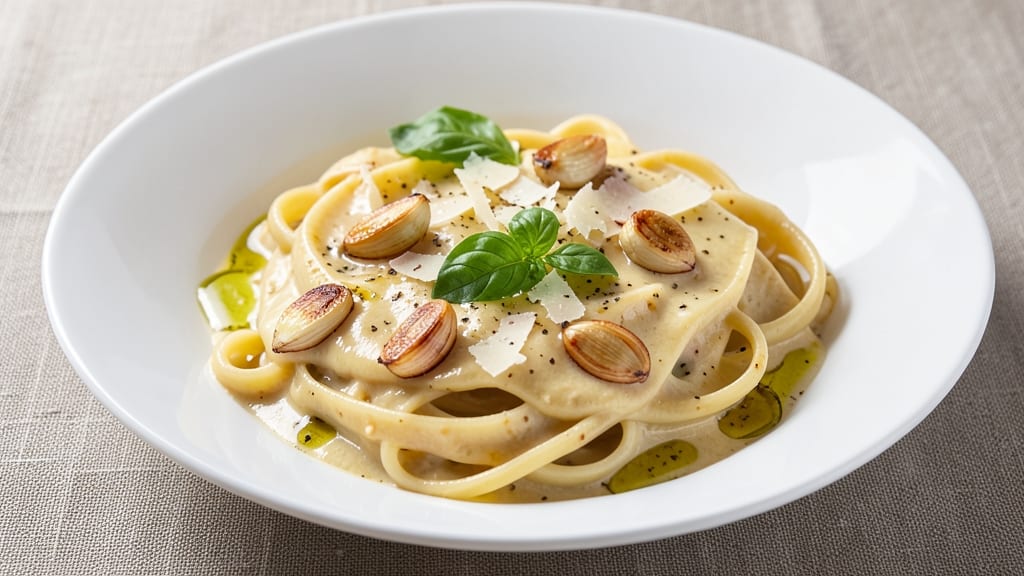
This alfredo sauce recipe with Italian seasoning transforms simple ingredients into a velvety, restaurant-worthy sauce that clings to every noodle. The secret lies in toasted garlic and a blend of Parmesan and Romano cheeses, creating that signature nutty depth that makes this sauce irresistible.
I developed this version after years of testing—it's the one that finally convinced even my picky husband it was better than takeout.
The process is straightforward but critical: start with a proper roux to stabilize the sauce, then gradually whisk in warm cream to prevent curdling. Italian seasoning adds layers of herbaceous complexity without overpowering the rich cheese flavors.
Ready in just 15 minutes, this sauce delivers restaurant-quality results that work perfectly with fettuccine, chicken, or even as a dipping sauce for bread.
What sets this recipe apart is the balance—creamy yet not overly heavy, rich but not greasy, and perfectly seasoned with that Italian flair. The toasted garlic adds a subtle sweetness that enhances every bite, while the Italian seasoning brings fresh, herby notes that cut through the richness.
This is the kind of sauce that makes weeknight dinners feel special without requiring hours in the kitchen.
For extra depth, consider adding a splash of white wine when deglazing the garlic, or stir in a pinch of red pepper flakes for a subtle kick. The sauce keeps well in the refrigerator for up to 5 days, making it perfect for meal prep.
Let's get started on creating this creamy, comforting sauce that will become your new go-to.
Ingredients for alfredo sauce recipe with italian seasoning
Nine essential ingredients create this velvety alfredo with Italian flair, where toasted garlic and premium cheeses deliver restaurant-quality depth.
| Ingredient | Amount | Notes |
|---|---|---|
| Extra-Virgin Olive Oil 🫒 | ½ cup | High-quality, fruity variety preferred |
| Garlic Cloves 🧄 | 6 whole | Toasted until golden brown |
| Unsalted Butter 🧈 | ½ cup | Cold, cubed for roux |
| Heavy Cream 🥛 | 2 cups | Full-fat for optimal richness |
| Parmesan Cheese 🧀 | 1 cup | Freshly grated from block |
| Pecorino Romano Cheese 🧀 | ½ cup | Freshly grated for nutty depth |
| Italian Seasoning 🌿 | 1 tbsp | High-quality blend preferred |
| Diamond Crystal Kosher Salt 🧂 | ½ tsp | Fine grain for precise seasoning |
| Freshly Ground Black Pepper 🌶️ | ¼ tsp | Freshly cracked for best flavor |
| Dry White Wine 🍷 | ¼ cup | Optional for deglazing |
The cheeses are non-negotiable here—Parmigiano-Reggiano and Pecorino Romano from a specialty cheese shop make all the difference. Whole Foods or local artisanal cheese counters carry the best quality, but a well-stocked grocery store's deli section works too. Look for blocks with no rind—pre-grated loses texture and flavor. The garlic should be freshly toasted until golden brown for that sweet, nutty base that defines this sauce. For the Italian seasoning, Penzeys Spices or McCormick's Gourmet Collection offer superior blends with authentic herbs.
No heavy cream? Full-fat coconut milk works in a pinch, though the texture will be slightly lighter. Short on Parmesan? Gran Padano is a good substitute, but it lacks the same depth. The white wine is optional but recommended—Sauvignon Blanc or Pinot Grigio deglaze beautifully. For a dairy-free version, replace the butter with vegan butter> and use cashew cream> instead of heavy cream. The olive oil should be extra-virgin>—lower quality oils can taste bitter when toasted. And if you're short on time, pre-minced garlic from a jar works, though fresh toasted garlic is ideal.
This sauce thickens as it cools, so reheat with a splash of warm milk or cream to restore its silky texture. Store in an airtight container in the fridge for up to 5 days>, with a thin layer of olive oil on top to preserve freshness. For longer storage, freeze in 1-cup portions> for up to 3 months>. The sauce is even better the next day as the flavors meld—perfect for meal prep. When reheating, stir gently over low heat to prevent separation.
Why You'll Love This Recipe
- Five-Ingredient Magic: I swear by this combo—just olive oil, garlic, butter, cream, and Parmesan. That’s it. No fancy reductions or last-minute shopping runs. The Italian seasoning ties everything together like a cozy sweater on a cold day.
- Garlic-Kissed Creamy Bliss: The moment I toast those garlic cloves in olive oil until they’re golden? Pure flavor gold. The butter and cream blend into a velvety base, while the Parmesan adds that sharp, salty punch. It’s the kind of sauce that makes you close your eyes and sigh.
- Pasta Party Ready: This sauce is my secret weapon for last-minute dinners. Toss it with fettuccine for a classic, or drizzle it over roasted chicken and veggies for a crowd-pleasing main. Even my picky-eating teen asks for seconds when it’s on the table.
- Leftovers That Don’t Let You Down: Between us—this sauce improves the next day. The flavors meld even better, and it reheats like a dream. I make a double batch on Sundays, freeze half, and still have a restaurant-quality meal ready when I’m too tired to cook.
Step-by-step instructions for rich alfredo sauce with toasted garlic
Here's how to craft a velvety sauce with nutty depth and aromatic complexity.
Toast the Garlic Until Golden Brown
Heat the 0.5 cup extra-virgin olive oil in a medium saucepan over medium-low heat. Add the 6 whole garlic cloves and cook them gently, stirring occasionally, until they develop a deep golden brown color and release their fragrant oils—about 5-7 minutes. This toasting process is crucial; it transforms raw garlic into sweet, aromatic bits that form the sauce's aromatic foundation.
Watch carefully—the garlic should be golden, not browned or burnt. If you see any dark spots, remove those cloves immediately. The toasted garlic will infuse the oil with complex, nutty flavors that elevate the entire sauce. Once golden, remove the pan from heat and set aside, leaving the garlic in the oil.
Build the Roux with Cold Butter
Return the saucepan to medium heat and add the 0.5 cup cold unsalted butter, cut into cubes. Whisk constantly until the butter melts completely and the mixture begins to bubble gently—this should take about 2-3 minutes. The butter should foam and then settle into a smooth, creamy base.
Here's the thing—using cold butter creates a proper roux that won't scorch. If you see the mixture darken or smell burnt, reduce the heat immediately. The goal is a pale, smooth emulsion that will serve as the sauce's thickener and flavor anchor. Once the butter is fully incorporated, add the 1 tablespoon Italian seasoning and whisk to combine.
Deglaze with White Wine (Optional but Recommended)
Pour in the 0.25 cup dry white wine and stir vigorously, scraping up any browned bits from the bottom of the pan. This deglazing step captures all the flavorful fond that would otherwise burn. Let the mixture simmer gently for 2-3 minutes until the wine has mostly evaporated and you're left with a fragrant, slightly reduced liquid.
If you're skipping the wine, simply proceed to the next step. But I recommend using it—it adds brightness and prevents the sauce from becoming too heavy. The wine should reduce to about 1 tablespoon of liquid before moving forward. This step is where the sauce's complexity begins to develop.
Incorporate Cheeses and Cream Gradually
Reduce the heat to low and begin adding the cheeses in stages. First, sprinkle in ½ cup of the Parmesan cheese, whisking constantly until fully melted and smooth. Then add ½ cup of the Pecorino Romano cheese, again whisking until completely incorporated. The cheeses should melt into the sauce, creating a rich, nutty base.
Next, slowly pour in the 2 cups heavy cream while whisking continuously. The sauce will begin to thicken immediately. If it becomes too thick before all the cream is incorporated, add 1-2 tablespoons of warm water to loosen it. The goal is a smooth, velvety consistency that coats the back of a spoon. Season with the 0.5 teaspoon kosher salt and 0.25 teaspoon black pepper.
Simmer Until Silky and Seasoned Perfectly
Return the heat to low and let the sauce simmer gently for 5-7 minutes, stirring frequently. This final cooking step allows the flavors to meld and the sauce to reach its ideal texture. You're looking for a sauce that's thick enough to coat the back of a spoon but still flows smoothly when stirred.
Taste and adjust the seasoning if needed—you may need a touch more salt or pepper to balance the richness. If the sauce is too thick, whisk in 1 tablespoon warm water at a time until it reaches your desired consistency. Serve immediately over fettuccine or your choice of pasta, or keep warm for up to 2 hours, stirring occasionally to prevent a skin from forming.
Pro Tips For Making Alfredo Sauce Recipe With Italian Seasoning
- Bloom the Garlic First: Toss your minced garlic into the olive oil over low heat for 30 seconds—just until it smells fragrant, not brown. I used to rush this step with the butter already melted, and the sauce ended up tasting bitter. The Italian seasoning needs that gentle garlic base to shine without overpowering.
- Use Cold Butter: Cut your unsalted butter into small cubes and let them sit in the fridge for 10 minutes before adding to the oil. Cold butter emulsifies better with the cream and Parmesan, giving you a smoother sauce instead of one that separates. (Yes, even if you’re impatient like me.)
- Strain the Parmesan: Grate your Parmesan fresh and press it through a fine-mesh sieve to remove any powdery bits. I learned this the hard way—lumpy sauce ruins the texture. For extra richness, mix in a splash of the pasta water while stirring; it binds everything together like glue.
- Simmer, Don’t Boil: Keep the cream at a gentle simmer—tiny bubbles at the edges, not a full rolling boil. Boiling curdles the cream, and you’ll end up with a grainy mess instead of that velvety Alfredo texture. If it starts to split, immediately pull it off heat and whisk like your life depends on it.
Dietary considerations for this recipe
Dairy-Free Adaptation
For a dairy-free version, replace the butter with ½ cup vegan butter> (like Miyoko's or Earth Balance) and use 2 cups full-fat coconut milk> instead of heavy cream. The coconut milk adds natural creaminess while keeping the sauce rich and velvety.
Toast the garlic in the olive oil as directed, then proceed with the vegan butter and Italian seasoning. When adding the cheeses, substitute 1 cup nutritional yeast> (for that cheesy flavor) and ½ cup cashew cream> (blend soaked cashews with water until smooth).
The sauce will have a slightly different texture but still delivers that comforting, creamy quality. 🌱
Gluten-Free Considerations
This recipe is naturally gluten-free, but always double-check your Italian seasoning blend for hidden gluten additives. Most store-bought blends are gluten-free, but brands like Penzeys or McCormick's Gourmet Collection clearly label their products.
For extra precaution, make your own blend with ½ tsp dried basil, ½ tsp dried oregano, ¼ tsp dried thyme, ¼ tsp dried rosemary, and ¼ tsp dried marjoram>. The sauce itself is safe for gluten-free diets as long as you're using certified gluten-free ingredients throughout. 🌾
Nut-Free Version
If you're avoiding nuts, skip the Pecorino Romano and use an additional ½ cup extra Parmesan cheese> instead. The sauce will still be rich and flavorful without any nut-based ingredients.
For added depth, stir in 1 tbsp lemon zest> when simmering—it brightens the sauce beautifully and complements the Italian seasoning. This version works perfectly with gluten-free pasta and remains creamy without any nut components. 🥗
Lower-Calorie Option
To lighten the sauce without sacrificing flavor, reduce the butter to ¼ cup> and use 1 cup low-fat Greek yogurt> mixed with 1 cup heavy cream> (for a 50/50 blend). This cuts calories while maintaining creaminess.
For the cheeses, use ¾ cup total> (reduce each by ¼ cup). The sauce will still coat beautifully and deliver that signature Italian flavor. Pair it with whole wheat or chickpea pasta for a balanced meal. 💪
Allergen-Friendly Tips
For egg allergies, this recipe is already safe—no eggs are used. If you're avoiding garlic, substitute with 1 tsp garlic powder> (though toasted garlic adds depth you won't get from powder). For a soy-free version, ensure your Italian seasoning doesn't contain soy additives (some blends do).
Always check labels on pre-grated cheeses for anti-caking agents that might contain allergens. When in doubt, grate your own cheese from a block. 🧀
Nutrition facts
Frequently asked questions
Can I make this alfredo sauce without heavy cream?
Yes! For a lighter version, substitute 1 cup full-fat coconut milk or 1 cup Greek yogurt mixed with 1 cup milk. The sauce will be slightly less rich but still creamy and flavorful. Toast the garlic in olive oil first, then proceed with your chosen dairy alternative and Italian seasoning. For best results, simmer for 2-3 extra minutes to thicken properly.
What's the best way to store leftover alfredo sauce?
Store in an airtight container in the fridge for up to 5 days. For longer storage, freeze in 1-cup portions for up to 3 months. To reheat, warm over low heat with a splash of warm milk or cream to restore its silky texture. Never microwave directly from the fridge—it causes separation. Stir occasionally while reheating to maintain consistency.
Can I use Italian seasoning from a jar instead of fresh herbs?
Jarred Italian seasoning works perfectly for this recipe. Look for high-quality blends like Penzeys or McCormick Gourmet Collection for the most authentic flavor. The key is using 1 tablespoon as specified—don't substitute with individual dried herbs unless you adjust the amounts (e.g., ½ tsp each of basil, oregano, thyme). The blend provides balanced seasoning without overwhelming the rich cheese flavors.
Why did my alfredo sauce get grainy?
Graininess usually happens when cheese doesn't melt completely or when the sauce is stirred too vigorously while hot. To prevent this, whisk constantly over low heat and add cheeses gradually. If it happens, strain the sauce through a fine-mesh sieve to remove any lumps. For future batches, try grating your own cheese from a block—pre-grated cheese contains anti-caking agents that can cause separation.
What pasta works best with this alfredo sauce?
Traditional fettuccine is ideal, but this sauce also pairs beautifully with tagliatelle, linguine, or pappardelle. For extra indulgence, try it with gnocchi or shells. The wide, flat noodles create more surface area for the sauce to cling to. If using gluten-free pasta, cook it 1 minute less than package instructions—it tends to soften more when tossed with creamy sauces.