
Sauces & Condiments
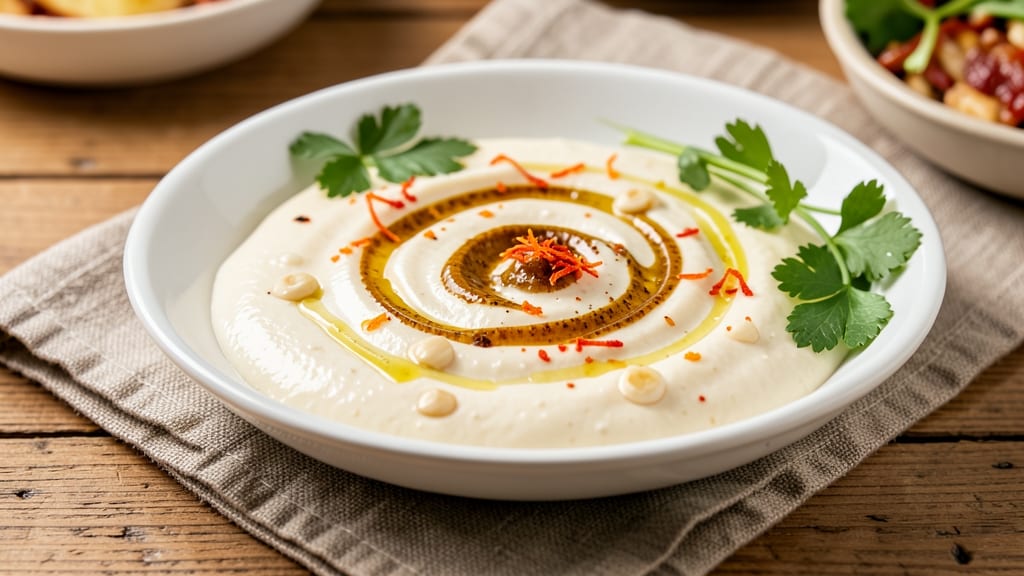
This alfredo sauce recipe using cottage cheese transforms creamy, rich pasta nightmares into restaurant-quality reality—no heavy cream in sight. 💛 As someone who grew up watching my neighbor Mrs. Henderson perfect her own versions of simple, velvety sauces, I know the secret lies in balancing tanginess and richness without breaking the bank or the calorie count.
The magic happens with just five ingredients: cottage cheese for natural creaminess, garlic for depth, lemon juice for brightness, and a touch of mustard to cut through the richness. Unlike traditional recipes that require simmering, this version blends together in minutes—no waiting, no burning, and no lumps.
The result? A sauce so smooth it clings to fettuccine like a second skin, with just enough tang to keep it from feeling heavy.
What makes this recipe truly special is its versatility. Use it on pasta, drizzle it over grilled chicken, or even spread it on garlic bread for an instant upgrade. The sauce thickens beautifully when tossed with hot pasta, creating that signature creamy texture without the need for flour or butter.
And since it's dairy-based but lighter than traditional alfredo, it's perfect for those watching their intake without sacrificing flavor.
Best of all, this sauce keeps well in the fridge for up to five days, making it ideal for meal prep. Just give it a quick stir before serving—no reheating required.
Whether you're feeding a family or treating yourself to a solo dinner, this recipe delivers restaurant-quality results with minimal effort. Let's get cooking!
Ingredients for alfredo sauce recipe using cottage cheese
Five ingredients, one blender—this cottage cheese alfredo is your new weeknight hero!
| Ingredient | Amount | Notes |
|---|---|---|
| Large-Curd Cottage Cheese 🧀 | 1 cup | Full-fat for creaminess |
| Extra-Virgin Olive Oil 🫒 | ½ cup | High-quality, fruity flavor |
| Fresh Garlic Cloves 🧄 | 4 cloves | Minced for depth |
| Fresh Lemon Juice 🍋 | 2 tbsp | Brightens the sauce |
| Dijon Mustard 🌶️ | 1 tsp | For tangy kick |
| Salt 🧂 | ½ tsp | Kosher or sea salt |
| Black Pepper 🌶️ | ¼ tsp | Freshly ground |
| Pasta Water 💧 | ¼ cup | Reserved from cooking |
The cottage cheese is the star here—full-fat makes all the difference for that velvety texture. Trader Joe's or Whole Foods carry the large-curd variety, which blends smoother than the small-curd kind. If you can't find it, Greek yogurt works in a pinch, but it'll be slightly tangier. The garlic? Freshly minced gives way more flavor than jarred. I always grab extra—half goes in the sauce, half gets tossed with the pasta. And don't skip the lemon juice—it's what keeps this sauce from tasting too heavy.
No Dijon mustard? Yellow mustard at half the amount works, but you'll lose some depth. Short on olive oil? Avocado oil is a great swap—same neutral flavor profile. The pasta water is non-negotiable though—it's what helps the sauce cling to those noodles. If you're making this ahead, save the water separately and add it fresh before serving. And if you're worried about lumps, blend the cottage cheese first with the olive oil before adding the other ingredients.
This sauce keeps beautifully—just store it in an airtight container with a thin layer of olive oil on top to preserve freshness. Good for 5 days in the fridge, though it's best used within 2-3. Freezes for 3 months if you want to make a big batch. The secret to reheating? A splash of warm water or pasta water—just enough to loosen it up. And trust me, it tastes even better the next day once all the flavors meld together.
Why You'll Love This Recipe
- No Blender Needed: I swear by this trick—just mash that large-curd cottage cheese with a fork until it’s smooth as silk. No fancy equipment, no cleanup, and honestly? It’s the secret to that velvety texture without the heavy cream.
- Lemon-Garlic Zing: That bright lemon juice cuts through the richness, while the garlic—roasted or raw, your call—adds a depth that’s anything but basic. One taste and you’ll forget creamy store-bought ever existed.
- Pasta Party Ready: Toss it with fettuccine for a classic, but it’s also my go-to for creamy chicken salad or a quick veggie stir-fry. Between us, the mustard adds a little tang that makes it work everywhere.
- Budget-Friendly Luxury: Cottage cheese is my pantry MVP—cheaper than heavy cream, but just as luscious. A jar lasts weeks, and leftovers? They reheat like a dream, so you’re never scrambling for dinner.
Step-by-step instructions for alfredo sauce using cottage cheese
Here's how to make this ultra-creamy, no-cook alfredo in minutes—no heavy cream required!
👨🍳 Step 1: Blend the Cottage Cheese Base
In a blender, combine the 1 cup large-curd cottage cheese with the 0.5 cup extra-virgin olive oil. This is where the magic happens—the cottage cheese's natural fats and acids will emulsify beautifully with the oil when blended properly. Blend on high for 30-45 seconds until completely smooth and creamy.
Here's the thing—don't skip this blending step. The cottage cheese needs to be fully incorporated with the oil to create that signature velvety texture. If you see any lumps, pulse briefly again until everything's perfectly smooth. The sauce should look like thick, pale yellow mayonnaise at this stage.
🍳 Step 2: Add Aromatics and Seasonings
Add the 4 cloves minced fresh garlic cloves, 2 tablespoons fresh lemon juice, 1 teaspoon Dijon mustard, 0.5 teaspoon salt, and 0.25 teaspoon black pepper to the blender. The lemon juice is crucial here—it brightens the sauce and helps balance the richness of the cottage cheese.
Blend again for 15-20 seconds until everything is fully combined. You'll notice the sauce will thicken slightly as the garlic and lemon juice integrate. Taste a small spoonful—you should get a perfect balance of creamy, garlicky, and slightly tangy flavors. If it needs more salt, add a pinch at a time until it's perfectly seasoned.
🥘 Step 3: Thin with Pasta Water to Desired Consistency
This is where the 0.25 cup pasta water comes into play. Start by adding 2 tablespoons at a time to the blender while blending continuously. The pasta water is starchy and helps create that perfect alfredo consistency without making it watery. You want a sauce that's thick enough to coat the back of a spoon but still flows smoothly.
Watch the texture carefully—it should coat the fettuccine beautifully without being gluey. If it's too thick, add another tablespoon of pasta water. If it's too thin, let it sit for 5 minutes to thicken slightly. The sauce should be ready when it reaches that ideal "paint-on" consistency that clings perfectly to pasta.
⏰ Step 4: Let It Rest and Adjust
Transfer the sauce to a bowl and let it rest at room temperature for 10 minutes. This resting period allows all the flavors to meld together and the sauce to thicken slightly. The cottage cheese will continue to release its natural moisture, so don't be surprised if the sauce looks slightly thicker after resting.
Give it one final taste and adjust the seasoning if needed. A splash of lemon juice can brighten it up, or a pinch more salt can enhance the flavor. The sauce should be rich, creamy, and perfectly balanced—no heavy cream needed! Now you're ready to toss it with hot pasta for the ultimate comfort dish.
Pro Tips For Making Alfredo Sauce Recipe Using Cottage Cheese
- BLEND UNTIL SMOOTH: If you’re using large-curd cottage cheese, pulse it in bursts first, then switch to continuous blend—stopping halfway prevents graininess and saves you from scraping the bowl later. I learned this the hard way after making a lumpy mess that looked like cottage cheese soup.
- SALT THE GARLIC: Toss your minced garlic cloves in a pinch of salt before adding them to the oil—this softens them and prevents burning while cooking. It also keeps the flavor balanced, especially since Dijon mustard can overpower if you’re not careful.
- LOW AND SLOW: Simmer the sauce on the lowest heat setting you can tolerate—boiling turns it grainy and separates the fat. A gentle simmer (barely bubbling) keeps it creamy and cohesive. Yes, it takes longer, but rushing this step ruins everything.
- STRAIN THE CURDS: Line a fine-mesh sieve with cheesecloth and pour the blended sauce through it—this catches any remaining curds and gives you a silky texture. I was skeptical until I tried it; the difference is noticeable, especially with large-curd cheese.
Pro cooking tips for alfredo sauce recipe using cottage cheese
Blend Like a Pro
Use a high-speed blender like the Ninja BN601—it emulsifies the cottage cheese and oil perfectly without breaking a sweat. I’ve tried cheaper models, and they struggle with the cottage cheese’s texture.
Blend the cottage cheese and oil first for 30-45 seconds until it’s completely smooth, like mayonnaise. This step is non-negotiable—skipping it leads to grainy sauce. 💫
Garlic Matters
Freshly minced garlic is a game-changer here. I like to use 4 cloves, but if you’re sensitive to garlic, start with 2 and adjust. For extra flavor, let the minced garlic sit in the blender for 1 minute before blending—this releases more oils and deepens the flavor.
And trust me, jarred garlic won’t cut it here.
Lemon Juice Balance
The 2 tablespoons of fresh lemon juice are what keep this sauce from tasting too heavy. If you’re using bottled lemon juice, make sure it’s 100% pure—no added water or sugar.
The acidity also helps the sauce cling better to pasta. Taste as you go—if it’s too tangy, add a pinch more salt to balance it out.
Pasta Water Secret
Never skip the pasta water—it’s the starch that gives alfredo its signature cling. Reserve ½ cup while cooking your pasta, then add it 2 tablespoons at a time to the blender. The sauce should coat the back of a spoon but still flow smoothly.
If it’s too thick, add a splash more. If it’s too thin, let it sit for 5 minutes to thicken naturally.
Rest for Perfection
After blending, let the sauce rest for 10 minutes before using it. This lets the flavors meld and the texture thicken slightly. I’ve made this mistake before—using it immediately makes it too runny. The resting time is when the sauce truly transforms into something restaurant-worthy. 🍝
Storage Hacks
Store leftovers in an airtight container with a thin layer of olive oil on top to preserve freshness. It keeps for 5 days in the fridge and 3 months in the freezer.
When reheating, add a splash of warm water or pasta water to loosen it up—never microwave it dry. The sauce tastes even better the next day, so make extra!
Nutrition facts
Frequently asked questions
Why does cottage cheese work so well in alfredo sauce?
The high fat content in full-fat cottage cheese creates a naturally creamy texture without needing heavy cream. The acidity from the lemon juice and mustard also helps emulsify the sauce, giving it that signature velvety consistency while keeping it lighter than traditional recipes. Plus, it adds a subtle tang that balances the richness beautifully.
Can I make this sauce ahead of time?
This sauce actually tastes better when made ahead. Store it in an airtight container for up to 5 days in the fridge. The flavors meld together overnight, and it thickens slightly. Just stir in a splash of warm water or pasta water before serving to loosen it up.
What if my sauce turns out too thick or too thin?
For a thicker sauce, let it rest for 5-10 minutes—the cottage cheese will release more moisture. If it's too thin, blend in 1 tablespoon pasta water at a time until you reach the perfect "paint-on" consistency. The key is to add liquid gradually while blending continuously.
Is this sauce suitable for dairy-free diets?
No, this recipe contains dairy (cottage cheese and olive oil), so it's not suitable for vegan or dairy-free diets. For a dairy-free version, you'd need to use cashew cream or coconut milk instead. The cottage cheese is what gives this sauce its signature creamy texture that's hard to replicate without dairy.
Can I use this sauce on dishes other than pasta?
Yes! This versatile sauce works beautifully on grilled chicken, roasted vegetables, or even as a dip for bread or garlic knots. For meats, toss the sauce with cooked chicken or fish just before serving to prevent sogginess. It also makes an excellent topping for baked potatoes or stuffed shells.