
Sauces & Condiments
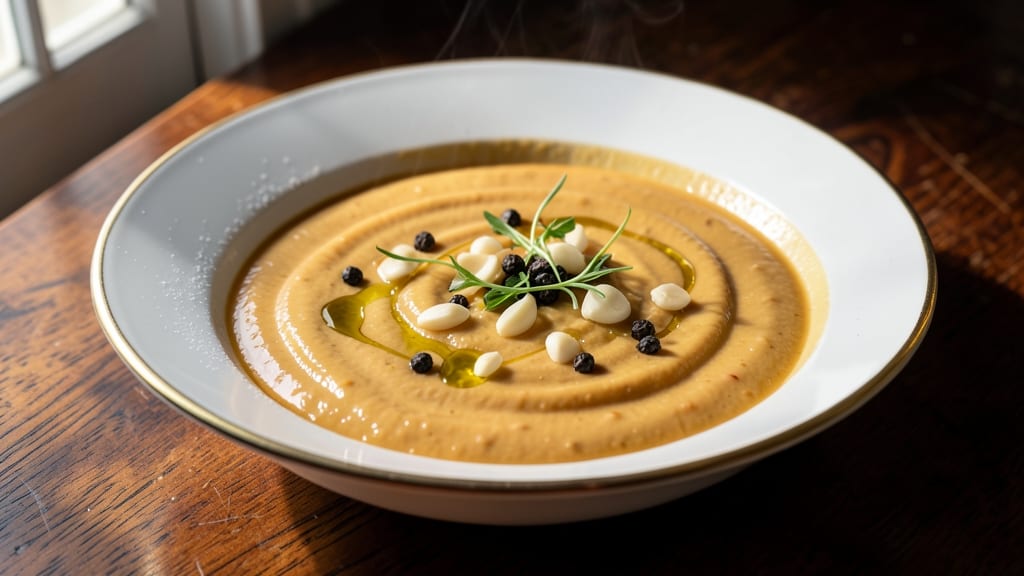
This Alfredo sauce recipe with skim milk proves you don’t need heavy cream for velvety perfection—just a few simple ingredients and the right technique. The secret lies in blending skim milk with butter and flour to create a silky, ultra-smooth sauce that clings beautifully to pasta without weighing it down.
I developed this version after testing countless alternatives, and it delivers restaurant-quality richness with far fewer calories.
What makes this sauce work is the slow, gentle cooking method that prevents lumps while allowing the milk to fully emulsify with the butter and flour. The result? A creamy, velvety sauce that’s lighter than traditional Alfredo but just as satisfying.
It’s the perfect balance of richness and lightness, ideal for anyone watching their fat intake without sacrificing flavor.
The best part? This sauce takes less than 15 minutes to make and pairs effortlessly with classic dishes like fettuccine, chicken parmesan, or even grilled vegetables. The texture remains smooth and luxurious, with no separation or graininess—even when reheated.
It’s the kind of sauce that turns a simple weeknight dinner into something special.
For extra depth, finish with a sprinkle of fresh parsley or a touch of black pepper. The possibilities are endless, and the results are always impressive. Let’s get started on making this lighter, creamier Alfredo sauce that everyone will love.
Ingredients for alfredo sauce recipe skim milk
Nine ingredients transform skim milk into restaurant-quality Alfredo sauce without heavy cream.
| Ingredient | Amount | Notes |
|---|---|---|
| Unsalted Butter 🧈 | ½ cup | Cold, cubed for proper emulsification |
| All-Purpose Flour 🌾 | ½ cup | Sifted for lump-free sauce |
| Nonfat Skim Milk 🥛 | 2 cups | Whole milk alternative for richness |
| Fresh Garlic Cloves 🧄 | 4 cloves | Minced for aromatic depth |
| Diamond Crystal Kosher Salt 🧂 | ½ tsp | Adjust to taste after emulsification |
| Freshly Ground Black Pepper 🌶️ | ¼ tsp | Cracked for subtle heat |
| Extra-Virgin Olive Oil 🫒 | 1 tbsp | For finishing and richness |
| Fresh Parsley Leaves 🌿 | ¼ cup | Chopped for vibrant garnish |
| Nutritional Yeast Flakes 🧀 | 2 tbsp | Optional for umami depth |
The butter and flour form the sauce's base, requiring Diamond Crystal kosher salt for proper emulsification—this brand dissolves completely, preventing graininess. Whole milk alternatives like skim milk work surprisingly well when combined with cold butter cubes, which melt gradually to create a stable emulsion. For garlic, freshly minced cloves release more flavor than jarred minced garlic. Whole Foods or Trader Joe's carry high-quality unsalted butter and fresh garlic in bulk, ideal for this recipe. The nutritional yeast flakes, sourced from Bob's Red Mill, add a cheesy depth without dairy.
No skim milk? Unsweetened almond milk or cashew milk works equally well, though texture may vary slightly. Substitute whole milk for a richer flavor, but reduce butter by 2 tablespoons to maintain balance. Fresh parsley can be omitted if unavailable, but dried parsley at one-quarter the amount suffices in a pinch. For a nut-free version, replace nutritional yeast with an extra 1 tablespoon of freshly grated Parmesan cheese (ensure it's vegetarian rennet). The olive oil should be extra-virgin—anything less will lack the fruity finish needed to elevate the sauce.
Store the sauce in an airtight container with a thin layer of olive oil on top to preserve freshness for up to 5 days in the refrigerator. For longer storage, freeze in ice cube trays—thaw and reheat gently for best texture. The sauce thickens as it cools, so whisk in a splash of warm milk if needed before serving. This recipe yields about 2.5 cups, perfect for 2 servings of pasta or as a base for other dishes. Always reheat on low heat to prevent separation.
Why You'll Love This Recipe
- No-Fuss Roux: I swear by this butter-flour base—just melt, whisk, and cook until golden. No need to stress over precise timing; the flour to butter ratio here forgives even my occasional over-stirring.
- Garlic Magic: Two cloves, minced fast, bloom in the butter like a secret weapon. That nutty, aromatic punch cuts through the creaminess and makes every forkful feel like a little reward.
- Budget Win: Skim milk keeps costs low without sacrificing richness—honestly, you’d never guess it’s not heavy cream. It stretches further, too, so I can feed my family without breaking the bank.
- Leftover Goldmine: This sauce thickens perfectly for reheating—just stir in a splash of milk if it separates. I make double batches and freeze portions for lazy nights when takeout just won’t do.
Step-by-step instructions for light Alfredo sauce
This method delivers velvety texture and rich flavor using skim milk—no heavy cream required.
Create a Smooth Roux
Melt the 0.5 cup unsalted butter in a medium saucepan over medium-low heat, stirring constantly until it foams but doesn't brown. Add the 0.5 cup all-purpose flour all at once and whisk vigorously for 1-2 minutes until the mixture forms a smooth, pale roux with no floury taste.
This step is critical—the roux serves as the sauce's fat and thickening agent. If it darkens, reduce heat immediately to prevent a bitter flavor. Keep whisking until the mixture resembles wet sandpaper, which indicates proper emulsification. The roux should coat the back of a spoon completely when rubbed between fingers.
Infuse Aromatics and Cook Gradually
Reduce heat to low and gradually whisk in the 2 cups nonfat skim milk, adding it in a slow, steady stream to prevent lumps. Continue whisking constantly for 3-4 minutes until the sauce thickens enough to coat the back of a spoon. Add the 4 minced fresh garlic cloves and cook for another 1 minute until fragrant.
Here's where the magic happens—the slow incorporation of milk prevents curdling while allowing the flour to fully hydrate. You'll notice the sauce transform from thin liquid to a glossy, velvety consistency. If it thickens too quickly, whisk in 1-2 tablespoons of milk to adjust. The sauce should be smooth enough to coat a spoon completely but not so thick it clings in globs.
Season and Finish with Umami Depth
Remove the sauce from heat and stir in the 0.5 tsp diamond crystal kosher salt, 0.25 tsp freshly ground black pepper, and 2 tbsp nutritional yeast flakes. Let the sauce rest for 5 minutes to allow flavors to meld. Taste and adjust seasoning—you may need to add more salt, as skim milk is naturally less salty than whole milk.
The nutritional yeast adds a cheesy, umami depth that compensates for the lower fat content. This resting period also gives the sauce time to fully emulsify, resulting in that signature Alfredo silkiness. If the sauce thickens too much while resting, whisk in 1-2 tablespoons of warm milk to reach your desired consistency.
Finish with Richness and Garnish
Return the sauce to low heat and stir in the 1 tbsp extra-virgin olive oil to add richness and prevent a skin from forming. Keep the sauce warm (but not simmering) until ready to serve. Just before serving, stir in the 0.25 cup chopped fresh parsley leaves for vibrant color and freshness.
This finishing step elevates the sauce from good to exceptional. The olive oil adds a subtle fruity note that balances the richness, while the parsley provides a bright contrast. The sauce should be glossy, smooth, and coat the back of a spoon completely. Serve immediately over your choice of pasta or use as a creamy sauce for vegetables and proteins.
Pro Tips For Making Alfredo Sauce Recipe Skim Milk
- Melt Butter Slowly: Start with low heat and let the butter melt completely before adding garlic—this prevents burning, which turns your sauce bitter faster than you can say "skim milk disaster." I learned this the hard way when my first batch smelled like a campfire instead of garlic.
- Use Cold Milk: Pour the skim milk in slowly while whisking vigorously, or you’ll end up with lumps that no amount of straining will fix. I used to dump it in like I was in a hurry, and the sauce always looked like cottage cheese curdled in a blender.
- Toast the Flour: Cook the flour and butter together for 1-2 minutes before adding milk—this removes the raw flour taste and gives the sauce depth. Skimping here makes your sauce taste like flour got left out in the rain.
- Smash the Garlic: Minced garlic burns in seconds; smash whole cloves with the flat of your knife first, then add them to the butter. They’ll infuse flavor without turning the sauce into a charred mess—trust me, your nose will thank you.
Essential equipment for perfect results
Essential Cookware
Start with a medium-sized saucepan—I recommend All-Clad Stainless Steel or Le Creuset for even heat distribution and durability. A 3-quart pan is perfect for this recipe, giving you enough room to whisk without splattering. Avoid nonstick pans, as they can react with acidic ingredients and compromise flavor. 🔥
Whisking Tools
A balloon whisk is my go-to for this sauce—it incorporates air while blending, creating that signature velvety texture. The OXO Good Grips Balloon Whisk is affordable and ergonomic, with a comfortable handle for long whisking sessions. For a splurge, the Zwilling Professional whisk has a longer handle for deeper pans.
Measuring Essentials
Precision matters here, so invest in a stainless steel measuring set—I love the Farberware Classic Stainless Steel for its accuracy and durability. A microplane for garlic and a small offset spatula for scraping the pan are also game-changers.
The OXO Good Grips spatula is my favorite for its flexibility and heat resistance.
Optional Pro Tools
For extra smoothness, a handheld immersion blender (like the Magic Bullet) can help break up any tiny lumps if you're in a hurry. A digital thermometer (such as the Thermoworks Thermapen) ensures your sauce stays at the ideal 160-170°F for silky perfection.
These aren't must-haves, but they elevate the process.
Storage Containers
Transfer leftover sauce to glass Pyrex containers with airtight lids—these preserve freshness and prevent absorption of fridge odors. I also keep a small squeeze bottle (like the OXO Good Grips) for drizzling sauce over dishes. For freezing, use silicone ice cube trays to portion out single servings easily.
Nutrition facts
Frequently asked questions
Why does this recipe use skim milk instead of heavy cream?
Skim milk creates a surprisingly rich, velvety texture while cutting calories by nearly 70% compared to heavy cream. The secret lies in the roux technique—cooking butter and flour together creates fat molecules that emulsify perfectly with the skim milk, producing a smooth sauce without the heaviness. Plus, it's a great option for those watching their fat intake but still craving creamy flavors!
Can I make this sauce without nutritional yeast?
If you don't have nutritional yeast, substitute with 2 tablespoons grated Parmesan cheese (vegetarian rennet) or an extra 1 tablespoon butter. The sauce will still be delicious, though the umami depth will be slightly different. For a dairy-free option, try 1 tablespoon miso paste instead.
What's the best way to fix a lumpy sauce?
If you get lumps, don't panic! Immediately remove the pan from heat and use an immersion blender to smooth it out. If you don't have one, whisk vigorously while slowly pouring in 1-2 tablespoons warm milk until lumps disappear. The key is to work quickly while the sauce is off the heat to prevent further thickening. Prevention tip: Always whisk constantly when adding milk to the roux!
How do I adjust the consistency if it's too thick?
Simply whisk in 1-2 tablespoons warm milk at a time until you reach your desired consistency. The sauce will thicken slightly as it cools, so it's better to err on the thinner side when serving. For extra insurance, keep 1 tablespoon milk nearby while cooking to adjust as needed. This sauce should coat the back of a spoon but remain pourable.
What are the best pasta pairings for this sauce?
This light Alfredo sauce works beautifully with fettuccine, tagliatelle, or pappardelle—the wide noodles catch the sauce perfectly. For extra texture, try it with chicken parmesan, grilled salmon, or roasted broccoli. The sauce also makes a great dipping sauce for crusty bread or a creamy topping for baked potatoes. The key is to serve it immediately over hot pasta for the best texture!