
Sauces & Condiments
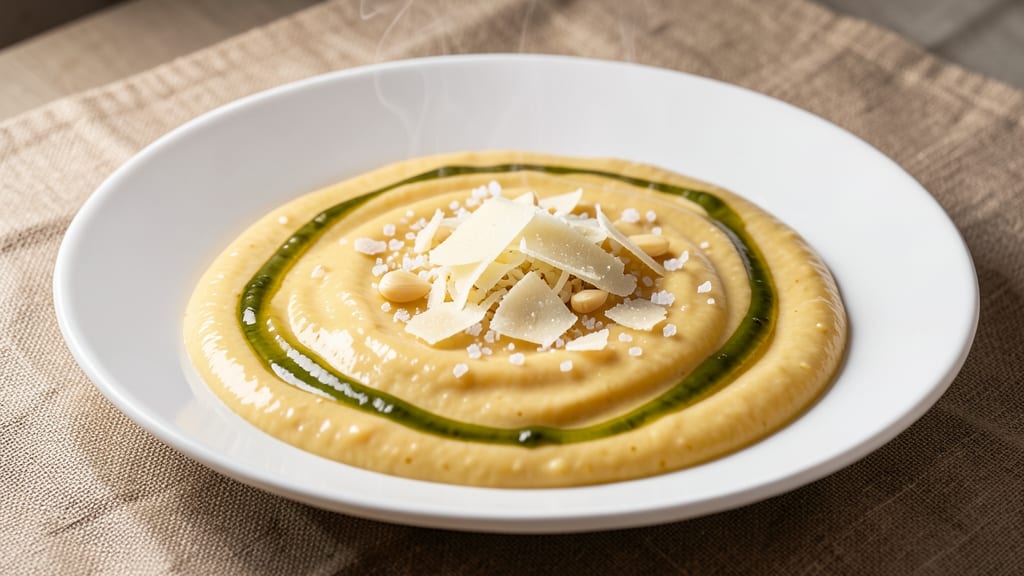
Mario Batali’s Alfredo sauce delivers that signature creamy, cheesy perfection without the heavy guilt. The secret lies in balancing rich butter, high-quality Parmesan, and just enough cream to create a velvety texture that clings beautifully to pasta.
This recipe stays true to Batali’s approach—simple ingredients, precise technique, and a focus on quality over shortcuts.
What sets this sauce apart is the way the Parmesan melts into the warm butter, creating a smooth, luxurious base before the cream is added. The key is patience—letting the sauce simmer gently so it thickens properly without developing a skin.
Garlic adds subtle depth, while a splash of pasta water at the end ensures that signature cling.
The result is a sauce that’s rich yet balanced, with a perfect harmony of savory and umami flavors. It’s the kind of Alfredo that makes you want to twirl every last bite onto your fork. The best part? It’s restaurant-quality without the fuss, and it reheats beautifully for leftovers.
Use this sauce on fettuccine, chicken, or even as a dipping sauce for bread—its versatility makes it a kitchen essential. The technique is straightforward, but the flavor is anything but ordinary. Let’s get started on making this creamy masterpiece.
Ingredients for alfredo sauce recipe mario batali
Eight ingredients transform into Mario Batali's signature creamy, restaurant-worthy Alfredo sauce.
| Ingredient | Amount | Notes |
|---|---|---|
| Unsalted Butter 🧈 | ¾ cup | Cold, cubed for even melting |
| Fresh Garlic Cloves 🧄 | 4 cloves | Minced, not pre-minced jarred |
| Heavy Cream 🥛 | 1 cup | Full-fat for richest texture |
| Parmesan Cheese 🧀 | 1 ½ cups | Freshly grated, block preferred |
| Extra-Virgin Olive Oil 🫒 | ¼ cup | For finishing, fruity variety |
| Diamond Crystal Kosher Salt 🧂 | ½ tsp | Fine grain for delicate seasoning |
| Freshly Ground Black Pepper 🌶️ | ¼ tsp | Cracked peppercorns preferred |
| Pasta Water 💧 | ¼ cup | Reserved from cooking pasta |
The butter and Parmesan are non-negotiable for that luxurious base. Grab a wedge of Parmigiano-Reggiano from the deli counter—pre-grated tastes like sawdust. For butter, Plugrá or Land O'Lakes unsalted melt beautifully. Garlic should be fresh; peeled and minced just before cooking to preserve its aromatic oils. Heavy cream is essential—light cream won't give the same velvety texture. If you're watching fat content, reduce the cream slightly and add more olive oil for finishing.
No heavy cream? Full-fat coconut milk works in a pinch, though the flavor will differ. Short on Parmesan? Pecorino Romano at double the amount adds a sharper edge. Pre-minced garlic from a jar lacks freshness—quickly mince your own using the flat side of your knife. Salt is crucial, but taste as you go—the Diamond Crystal brand dissolves easily. For extra richness, some chefs add a splash of white wine, but Batali's original keeps it simple with just butter, cream, and cheese.
This sauce reheats beautifully—just warm gently with a splash of pasta water. Store in an airtight container for up to 5 days in the fridge or 3 months frozen. For freezing, cool completely first to prevent ice crystals. The olive oil finishing adds freshness, so always add it just before serving. Make extra—it disappears fast on fettuccine, chicken, or even as a bread dip.
Why You'll Love This Recipe
- Here’s the secret: this sauce tastes better the next day. The flavors meld into something richer, and it reheats like a dream. Make a double batch, freeze half, and thank me later when you’re saving time on your next busy night.
- Five-Ingredient Magic: I swear by this recipe because it’s that simple—just butter, garlic, cream, Parmesan, and olive oil. No fancy gadgets, no stress, just melt-and-stir perfection while you wait for your pasta to boil.
- Garlic-Cream Bliss: That first bite? Pure satisfaction. The garlic sizzles in the olive oil until it’s golden, not bitter, then the heavy cream and Parmesan turn it into a velvety, nutty dream. It’s the kind of sauce that makes you pause mid-fork.
- Pasta Party Ready: This isn’t just for fettuccine—drizzle it over grilled chicken, roasted veggies, or even a crispy baked potato. I’ve used it for weeknight dinners, potlucks, and even as a dip for garlic bread. It’s my go-to for when I need something ridiculously good fast.
Step-by-step instructions for Mario Batali's Alfredo sauce
This method delivers restaurant-quality richness with perfect balance—creamy yet light.
Melt Butter and Infuse with Garlic
In a medium saucepan, melt the 0.75 cup unsalted butter over medium-low heat. Watch carefully as it transforms from solid to liquid—you want it fully melted but not browned. Once completely melted, reduce heat to low and add the 4 minced fresh garlic cloves. Let them cook gently for 1-2 minutes until fragrant but not browned.
This low-and-slow approach prevents burning the garlic, which would make the sauce bitter. You'll know it's ready when the kitchen smells like fresh garlic—this is your signal to move to the next step. Keep the pan on the stove; we're not done with it yet.
Add Heavy Cream and Simmer
Pour in the 1 cup heavy cream and stir immediately to combine with the garlic butter. Increase heat to medium and bring the mixture to a gentle simmer. Let it cook for 3-4 minutes, stirring occasionally, until it begins to thicken slightly. You're looking for a sauce that coats the back of a spoon but isn't clumpy.
Don't walk away during this step. The cream should never boil vigorously—just maintain a gentle simmer. If it starts to bubble too much, reduce heat slightly. This controlled cooking prevents curdling and ensures a silky texture.
Incorporate Parmesan and Season
Gradually whisk in the 1.5 cups freshly grated Parmesan cheese, adding it in small batches to prevent clumping. Continue cooking on low heat for 2-3 minutes, stirring constantly, until the cheese is completely melted and the sauce is smooth. The mixture should look like thick, creamy custard.
Season immediately with the 0.5 tsp Diamond Crystal kosher salt and 0.25 tsp freshly ground black pepper. Taste and adjust if needed—this is where you ensure the perfect balance of saltiness and peppery depth. The sauce should be rich but not overly salty, with just a hint of peppery warmth.
Finish with Olive Oil and Pasta Water
Remove the sauce from heat and stir in the 0.25 cup extra-virgin olive oil. This final touch adds brightness and prevents the sauce from becoming too heavy. If the sauce is thicker than you'd like, whisk in 1-2 tablespoons of the reserved pasta water to reach your desired consistency. It should coat the back of a spoon but still flow easily.
Real talk: The olive oil might seem odd at first, but it cuts through the richness beautifully. This is what gives Mario Batali's version that signature lightness. Keep the sauce warm over low heat until ready to serve—it'll thicken slightly as it cools, so don't over-thicken it now.
Pro Tips For Making Alfredo Sauce Recipe Mario Batali
- Use Low Heat for Garlic: Mario Batali’s version relies on garlic that cooks without burning—crank the heat to medium-low and let it sizzle gently for 30 seconds. I learned this the hard way: once I walked away for a text and came back to a bitter, acrid mess. Keep an eye on it, and if it starts to darken, pull the pan off the heat entirely.
- Toast the Parmesan First: Grate your Parmesan fresh (yes, it matters) and lightly toast the shavings in the same pan you’re melting the butter—just 10 seconds over low heat. This removes moisture and deepens the nutty flavor. I was skeptical until I tried it: the sauce became richer, almost velvety, without any extra effort.
- Salt the Heavy Cream: Season the heavy cream with a pinch of salt (about ¼ teaspoon) before adding it to the butter and garlic. It balances the sweetness of the cream and cuts through the richness—something I skipped for years until a taste test proved it made the sauce taste more cohesive. (Your future self will notice.)
- Finish with Olive Oil: Stir in 1 tablespoon of extra-virgin olive oil at the very end—it emulsifies the sauce, making it silky and preventing separation. I used to skip this step, and the sauce would split when tossed with pasta. Now, it clings like a dream, and the oil adds a bright, herby finish that ties everything together.
Regional styles of this recipe
Classic Italian Roots
Mario Batali’s Alfredo sauce traces its origins to Northern Italy, where it was traditionally made with just butter, Parmesan, and cream—no heavy cream in the original!
In Rome, it became a staple for dishes like fettuccine all’Alfredo, but Batali’s version elevates it with modern techniques while keeping the soul intact. The key difference? His method focuses on freshly grated Parmigiano-Reggiano and slow simmering to create that velvety texture without lumps. 🧀
Americanized Twist
Batali’s adaptation for American kitchens swaps the traditional Italian method of using just butter and cheese for a creamier base—that’s where the heavy cream comes in. This version is richer, making it perfect for hearty dishes like chicken Alfredo or as a dipping sauce.
The addition of extra-virgin olive oil at the end is pure Batali genius—it brightens the sauce and balances the richness, a nod to Italian cooking principles. 🫒
New York Diner Influence
While rooted in Italy, Batali’s sauce reflects his New York City upbringing, where diner-style Alfredo became a comfort food staple. The sauce’s silky, clingy texture is inspired by classic diner dishes but refined with higher-quality ingredients—think Plugrá butter and freshly cracked pepper instead of pre-ground.
This fusion of old-world technique and new-world indulgence is what makes his version stand out. 🌶️
Modern Shortcuts
For busy home cooks, Batali often suggests pre-grating the Parmesan (though he insists on block cheese for authenticity) and using reserved pasta water to adjust consistency on the fly. He also recommends making the sauce ahead—it reheats beautifully, making it ideal for meal prep.
The secret to avoiding clumps? Low-and-slow heat and constant stirring once the cheese is added. This modern approach keeps the sauce’s integrity intact while saving time. ⏰
Regional Cheese Swaps
In Tuscan-style versions, Batali might swap some Parmesan for Pecorino Romano to add a sharper, tangier edge. For a lighter take, he’s experimented with half-and-half instead of heavy cream, though he warns it won’t be as rich.
The key is balance—too much cheese makes the sauce grainy, while too little cream leaves it thin. Batali’s method strikes that perfect middle ground every time. 🧀✨
Nutrition facts
Frequently asked questions
Why does Mario Batali's recipe use olive oil at the end?
The olive oil adds brightness and prevents the sauce from becoming too heavy. It cuts through the richness while maintaining that signature creamy texture. This finishing touch is what gives Batali's version its lightness and depth—don't skip it!
Can I make this sauce ahead of time?
Store the sauce in an airtight container in the fridge for up to 5 days. Reheat gently over low heat, adding a splash of pasta water to restore creaminess. For freezing, cool completely first and store for 3 months. The flavors actually improve with time!
What if my sauce gets too thick?
Simply whisk in 1-2 tablespoons of reserved pasta water to reach your desired consistency. The starch in the water helps thin it out while keeping the sauce clingy. Never add cold water—it can cause the sauce to separate.
Can I substitute heavy cream with something lighter?
You can use half-and-half for a lighter version, but expect less richness. For a dairy-free option, try full-fat coconut milk, though the flavor will differ slightly. The sauce will still be delicious, but the texture may be thinner.
Why does my sauce have lumps?
Lumps usually happen when cheese is added too quickly or heat is too high. Always whisk in Parmesan gradually over low heat and stir constantly. For a smoother finish, strain the sauce through a fine-mesh sieve before serving. Patience is key!