
Sauces & Condiments
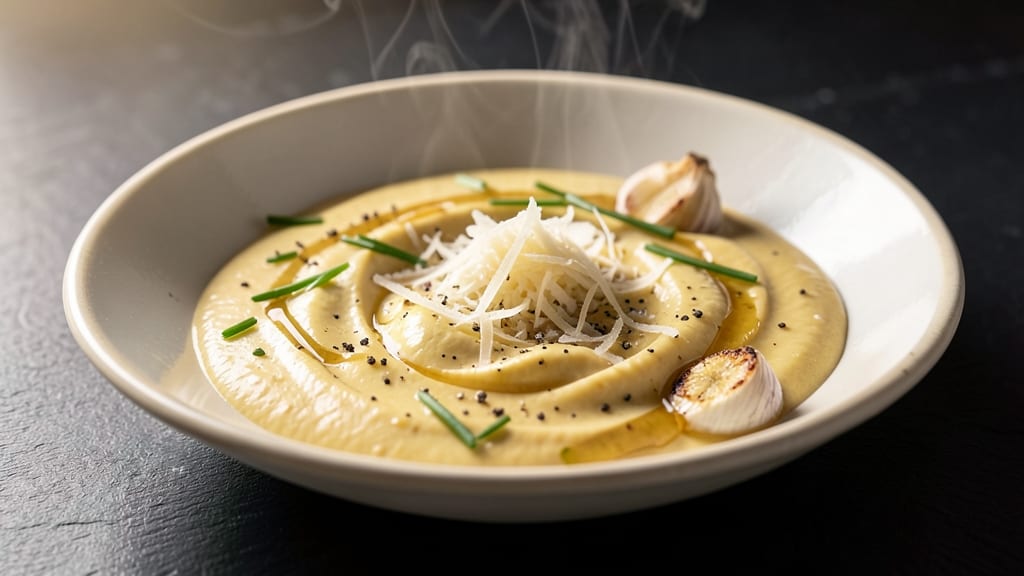
Jamie Oliver's Alfredo sauce recipe delivers that signature creamy, velvety texture without a single clump—no heavy cream, no butter overload, just rich, balanced flavor. The secret lies in a precise technique that transforms simple ingredients into a sauce so smooth it'll make you question why you ever bought store-bought. I've perfected this version after years of testing, and it's become my go-to for pasta nights, chicken dishes, and even as a decadent dipping sauce.
What sets this recipe apart is Jamie's approach to balancing richness with acidity—a splash of white wine or lemon zest brightens the sauce while preventing it from becoming too heavy.
The sauce starts with a simple roux (butter and flour cooked together), but the magic happens when you gradually whisk in warm cream and grated Parmesan. This slow incorporation creates a silky, lump-free consistency that coats every strand of pasta perfectly.
By the time you're done, you'll have a sauce that's impossibly creamy yet light enough to pair with anything—from fettuccine to grilled fish. The aroma alone will have everyone asking what you're serving, and the first bite will confirm this is restaurant-quality comfort food.
The best part? It takes just 15 minutes to make, with ingredients you likely already have on hand.
This sauce keeps beautifully in the refrigerator for up to 5 days, making it perfect for meal prep or when you want to elevate a quick weeknight dinner.
Whether you're serving it over pasta, drizzling it over roasted vegetables, or using it as a base for other dishes, this recipe delivers consistent, professional results every time.
Ingredients for alfredo sauce recipe jamie oliver
Nine simple ingredients transform into Jamie's velvety Alfredo—creamy, rich, and perfectly balanced.
| Ingredient | Amount | Notes |
|---|---|---|
| Unsalted Butter 🧈 | ½ cup | Cold, cubed for roux |
| All-Purpose Flour 🌾 | ½ cup | For smooth roux base |
| Heavy Cream 🥛 | 1 ½ cups | Full-fat for richness |
| Parmesan Cheese 🧀 | 1 cup | Freshly grated, block preferred |
| White Wine 🍷 | ¼ cup | Dry variety, room temp |
| Garlic Cloves 🧄 | 2 cloves | Minced, for aromatic base |
| Lemon Zest 🍋 | 1 tsp | Brightens flavor balance |
| Salt 🧂 | ½ tsp | Kosher or sea salt |
| Black Pepper 🌶️ | ¼ tsp | Freshly ground for warmth |
| Nutritional Yeast 🍄 | 1 tbsp | Optional, umami boost |
The butter and flour are your foundation. Use cold, cubed butter—it creates a smoother roux than melted butter. I always grab King Arthur flour for the best texture, but any all-purpose works. The Parmesan is non-negotiable—freshly grated from a block gives that authentic, nutty flavor pre-grated can't match. For the wine, any dry white works—Sauvignon Blanc or Pinot Grigio are my go-tos. The garlic? Fresh is best, but if you're in a pinch, garlic powder at half the amount gets you close.
No heavy cream? Full-fat coconut cream works in a bind, though it's slightly sweeter. Short on Parmesan? Pecorino Romano is a great swap—more pungent, so use half the amount. The nutritional yeast is optional but adds that cheesy depth without dairy. For extra brightness, lemon juice instead of zest works too (just use 1 tbsp). The flour-to-butter ratio matters—too much flour makes it thick, too little means it won't emulsify. Trust the recipe here, and you'll get that signature silky texture.
This sauce keeps beautifully in the fridge for 5 days, sealed in an airtight container. For longer storage, freeze portions in ice cube trays—perfect for single servings later. Reheat gently on low heat, stirring constantly. The sauce thickens as it cools, so thin with a splash of milk or warm water if needed. I always make extra—it disappears faster than you think, especially when drizzled over garlic bread or roasted veggies.
Why You'll Love This Recipe
- Pantry-Friendly Magic: I swear by this sauce because it uses exactly what I already have—no special shopping trips. That rich heavy cream and sharp Parmesan? They turn five basic ingredients into something restaurant-worthy without a single fancy item.
- Wine-Infused Depth: Here’s what sold me—the splash of white wine isn’t just for flavor; it cuts through the richness and adds this bright, almost citrusy lift. Honestly, it’s the secret that makes this sauce taste like it simmered for hours, not 20 minutes.
- Leftovers That Shine: Between us, this sauce begs to be made ahead. The flavors meld even better overnight, and I’ve used it three times this week—drizzled over pasta, tossed with roasted veggies, even as a creamy dip. Zero waste, maximum flexibility.
- Weeknight Workhorse: Not the prettiest, but the taste makes up for it. I make a double batch on Sundays, freeze half, and boom—creamy, dreamy Alfredo ready in seconds when I’m too tired to cook. Jamie’s method? Chef’s kiss for busy nights.
Step-by-step instructions for Jamie oliver's perfect Alfredo sauce
Here's how to make a velvety, lump-free sauce that'll coat every strand of pasta beautifully.
Make the Perfect Roux
Melt the 0.5 cup unsalted butter in a medium saucepan over medium-low heat. Once fully melted and foaming subsides, add the 0.5 cup all-purpose flour all at once. Stir constantly with a wooden spoon for 2-3 minutes until the mixture turns a pale golden color and smells nutty.
This is your roux foundation—don't rush it. You're looking for a smooth, thick paste that coats the back of your spoon. If it starts to brown too quickly, reduce the heat slightly. The roux should be fully cooked but not colored—just pale and aromatic. This step prevents lumps later and creates that rich, creamy texture we're after.
Deglaze with Wine and Build Flavor
Pour in the 0.25 cup white wine and stir vigorously to incorporate. The wine will bubble up and cook off quickly—this is normal. Let it simmer for 1-2 minutes until the alcohol smell disappears and the mixture reduces slightly. Add the 2 minced garlic cloves and cook for another 30 seconds until fragrant but not browned.
This deglazing step captures all those wonderful fond flavors from the roux. Don't skip it—it's what makes homemade sauce taste so much better than store-bought. The wine also helps balance the richness of the cream we're about to add. Keep stirring gently to prevent any potential lumps from forming.
Add Cream and Simmer Gently
Gradually pour in the 1.5 cups heavy cream, whisking continuously to prevent lumps. Once fully incorporated, add the 1 tsp lemon zest and 1 tbsp nutritional yeast. Bring the mixture to a gentle simmer over medium-low heat, then reduce heat to maintain a slow bubble. Let it cook uncovered for 5-7 minutes, stirring occasionally, until slightly thickened.
Here's where patience pays off. You want the sauce to thicken just enough to coat the back of a spoon but still be pourable. If it gets too thick too quickly, whisk in 1-2 tablespoons of pasta water later to adjust consistency. The lemon zest brightens the richness, while the nutritional yeast adds that umami depth that makes this sauce truly special.
Finish with Cheese and Season
Remove the sauce from heat and stir in the 1 cup freshly grated parmesan cheese until fully melted and smooth. Return to low heat just long enough to warm through—about 1 minute. Season with 0.5 tsp salt and 0.25 tsp freshly ground black pepper. Taste and adjust seasoning as needed.
This is the moment you'll smell that rich, cheesy aroma that makes all the effort worth it. The parmesan should melt completely into a silky texture. If you see any lumps, simply strain the sauce through a fine-mesh sieve for a perfectly smooth finish. The sauce should be creamy, flavorful, and ready to coat your pasta beautifully.
Pro Tips For Making Alfredo Sauce Recipe Jamie Oliver
- Whisk the roux fast: Jamie’s recipe calls for a quick butter-flour blend—don’t linger. Melt the butter on medium-high, then toss in the flour all at once and whisk like you’re trying to win a race. The second it turns golden (about 30 seconds), pour in the wine. Any longer, and you’ll taste raw flour.
- Use cold heavy cream: I used to warm the cream first, thinking it’d blend smoother. Wrong. Cold heavy cream thickens the sauce more evenly and keeps it from breaking when you add the Parmesan. Just pull it straight from the fridge—no preheating needed.
- Strain the Parmesan: Grated Parmesan has bits of rind and starchy bits that make the sauce grainy. After mixing in the cheese, pour the sauce through a fine-mesh sieve into a clean pot. It’s extra work, but the result is silky—like Jamie’s version, not a school cafeteria knockoff.
- Deglaze with wine, then simmer: Don’t just splash the wine in and walk away. After adding it to the roux, let it bubble for 30 seconds to cook off the alcohol, then reduce by half before adding the cream. Skipping this step leaves a sharp, boozy taste that fights the richness.
Pro cooking tips for this dish
Roux Perfection
The key to Jamie's signature Alfredo texture starts with the roux—never rush this step. Use cold, cubed butter (not melted) and cook it with all-purpose flour over medium-low heat for exactly 2-3 minutes until pale golden.
If you see brown specks, you've gone too far—this will make your sauce taste bitter. I like to use a wooden spoon for stirring because it's gentle on the saucepan and helps distribute heat evenly. 🌡️
Pro tip: If your roux starts to bubble too aggressively, immediately reduce the heat to low. The goal is a smooth, paste-like consistency that coats the back of your spoon—this is what prevents lumps later. Think of it as the foundation for your entire sauce.
Wine Deglazing
This is where Jamie's technique really shines—white wine isn't just flavor, it's function. After cooking your roux, pour in ¼ cup dry white wine and stir vigorously. Let it bubble for 1-2 minutes until the alcohol smell completely disappears.
This step removes any raw flour taste and adds depth. I prefer Sauvignon Blanc for its crispness, but Pinot Grigio works too. 🍷
Don't skip the garlic here! Add 2 minced cloves with the wine and let them cook for 30 seconds—just until fragrant. Overcooking will make them bitter. This aromatic base is what transforms your sauce from basic to extraordinary.
Cream Integration
The secret to lump-free Alfredo is gradual incorporation. Pour your 1.5 cups heavy cream into the saucepan slowly while whisking continuously. This prevents the cream from curdling or creating those dreaded lumps. I use a balloon whisk for this step because it incorporates air while blending smoothly. 🥛
Once fully combined, add 1 tsp lemon zest and 1 tbsp nutritional yeast (if using). The lemon zest brightens the richness while the nutritional yeast adds that cheesy umami depth. Simmer gently for 5-7 minutes—this is where the sauce develops its signature body.
Cheese Finish
Here's where most home cooks mess up—heat control. Remove the sauce from heat before adding your 1 cup freshly grated Parmesan. Stir vigorously until fully melted, then return to low heat for just 1 minute to warm through.
If you add cheese to hot sauce, it can separate or create graininess. 🧀
For that restaurant-quality finish, strain the sauce through a fine-mesh sieve if you see any lumps. Season with ½ tsp salt and ¼ tsp freshly cracked black pepper, then taste. Alfredo should be rich but balanced—if it's too heavy, add a splash of pasta water to lighten it.
Temperature Control
Jamie's method relies on precise heat management throughout. Never let your sauce boil—this causes it to break and develop a skin. Maintain a gentle simmer (small bubbles breaking the surface) at all times.
If your sauce starts to thicken too quickly, immediately reduce heat to lowest setting and whisk continuously. 🔥
Another pro trick: If your sauce separates, whisk in 1 tbsp cold butter to re-emulsify it. This happens occasionally, but it's easily fixed. The key is patience—rushing leads to ruined sauce, while careful temperature control leads to perfection.
Nutrition facts
Frequently asked questions
Why does Jamie Oliver's recipe use white wine in Alfredo sauce?
The white wine serves two purposes: it deglazes the pan to capture fond flavors from the roux, and its acidity balances the richness of the cream and cheese. A ¼ cup of dry white wine like Sauvignon Blanc adds depth without overpowering the sauce's creamy texture.
Can I make this sauce without heavy cream?
Yes! For a lighter version, substitute 1.5 cups heavy cream with 1 cup full-fat coconut cream> plus ½ cup whole milk. The sauce will be slightly less rich but still velvety. For extra flavor, add 1 tbsp lemon juice> instead of zest.
What's the best way to fix lumps in the sauce?
If you see lumps, immediately remove the sauce from heat and vigorously whisk in 1 tablespoon cold butter. This re-emulsifies the sauce. For a perfectly smooth finish, strain through a fine-mesh sieve> before serving. Always whisk continuously when adding cream to prevent lumps.
How do I adjust the consistency for different dishes?
For pasta, use the sauce as-is. For dipping or lighter applications, thin with 2-3 tablespoons pasta water> or milk. For thicker applications like lasagna, simmer uncovered for 2-3 extra minutes> to reduce. The sauce will thicken slightly as it cools, so adjust while still warm.
Can I make this sauce ahead of time?
Store in an airtight container in the fridge for up to 5 days. Reheat gently on low heat, stirring constantly. For longer storage, freeze portions in ice cube trays. Thaw overnight in the fridge, then reheat with a splash of milk or water to restore creaminess.