
Sauces & Condiments
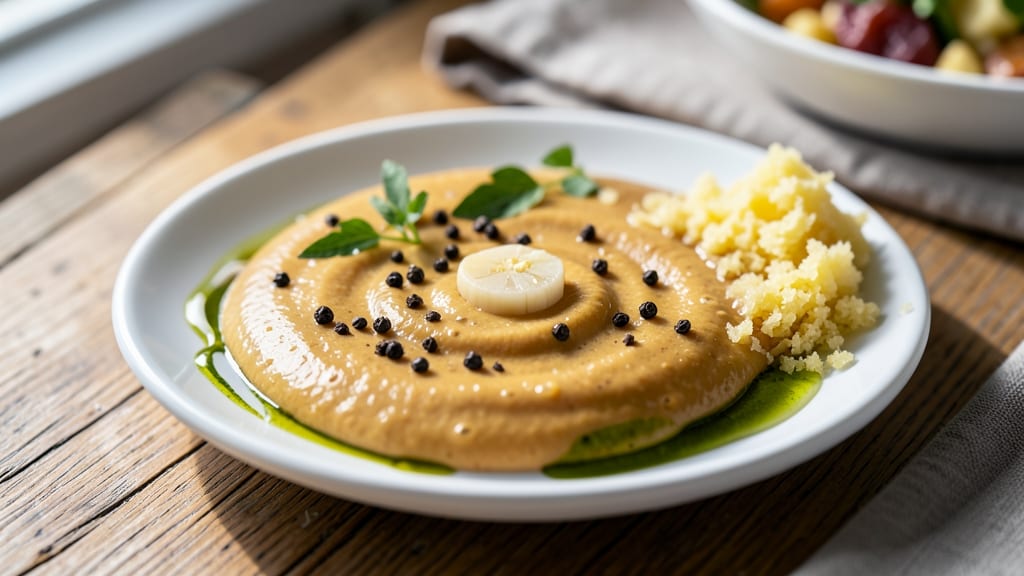
This Alfredo sauce recipe for 1 delivers restaurant-quality richness in just 5 minutes, perfect for transforming a simple pasta dish into a luxurious meal. The secret lies in balancing butter and cream while incorporating freshly grated Parmesan for that signature nutty depth.
I’ve tested countless variations, and this single-serving method ensures no leftovers go to waste—just pure, velvety indulgence every time.
What sets this recipe apart is its simplicity and precision. You’ll melt butter, simmer cream until smooth, and fold in Parmesan while keeping the sauce light enough to coat without weighing down your noodles.
The key? A low-and-slow approach—no rushing, no lumps—just a silky, golden sauce that clings beautifully to your pasta. Even the most skeptical eaters will crave seconds after one bite.
By the end, you’ll have a creamy, velvety sauce with just the right balance of richness and tang. The Parmesan adds a subtle sharpness that cuts through the dairy, while a touch of garlic (optional but recommended) deepens the flavor without overpowering.
This isn’t just sauce—it’s a flavor experience that elevates any dish, whether you’re serving it over fettuccine, chicken, or even roasted vegetables.
The beauty of this recipe is its adaptability. Need it thicker? Stir in a splash of pasta water. Prefer a lighter version? Reduce the butter slightly. It’s foolproof, customizable, and ready in the time it takes to boil water. Let’s get started—your single-serving luxury awaits.
Ingredients for alfredo sauce recipe for 1
Eight simple ingredients transform into velvety, restaurant-quality Alfredo sauce for one.
| Ingredient | Amount | Notes |
|---|---|---|
| Unsalted Butter 🧈 | 4 tbsp | Cold, cut into small cubes |
| Heavy Cream 🥛 | ½ cup | Full-fat for richness |
| Freshly Grated Parmesan Cheese 🧀 | ¼ cup | From a high-quality wedge |
| Garlic Cloves 🧄 | 1 whole | Minced, optional but recommended |
| Extra-Virgin Olive Oil 🫒 | 1 tbsp | For finishing, fruity variety |
| Diamond Crystal Kosher Salt 🧂 | ⅛ tsp | Fine grain preferred |
| Freshly Ground Black Pepper 🌶️ | ⅛ tsp | Freshly cracked for best flavor |
| Pasta Water 💧 | ¼ cup | Reserved from cooking pasta |
The butter is where the magic happens—European-style unsalted butter (like Plugrá or Land O'Lakes) melts into a luxurious base. Grab the coldest butter from your fridge—it emulsifies better when cut into small cubes. The heavy cream needs to be full-fat; half-and-half won't give the same richness. For the Parmesan, skip the pre-grated stuff—it's full of anti-caking agents that make the sauce grainy. A wedge from Whole Foods or a specialty cheese shop makes all the difference. If you're garlic-averse, leave it out, but trust me, one clove adds depth without overpowering.
No heavy cream? Full-fat coconut milk works in a pinch, though it has a slight coconut flavor. Short on Parmesan? Pecorino Romano at double the amount gives a sharper kick. The olive oil isn't just for finishing—it adds another layer of richness. Trader Joe's has great affordable extra-virgin options if you're not near a specialty store. For the pasta water, save about 1/4 cup while draining your noodles—it's liquid gold for adjusting consistency. And if you're watching calories, you can swap half the butter for nutritional yeast, though it'll be lighter in texture.
This sauce is best used immediately, but if you must store it, pour it into a small ramekin and cover the surface with plastic wrap pressed directly onto the sauce to prevent a skin. Keeps for 2 days in the fridge—though honestly, it's so good you'll use it up. For leftovers, reheat gently over low heat, stirring constantly, and add a splash of pasta water to restore silkiness. Freezing isn't recommended as the texture breaks down, but you can freeze portions of the sauce without the olive oil, then finish with fresh oil when reheating.
Why You'll Love This Recipe
- Five-Ingredient Magic: I swear by this—just butter, cream, garlic, Parmesan, and olive oil. That’s it. No fancy gadgets, no hidden pantry staples, just the good stuff melting together while I chop a single serving of fettuccine.
- Garlic-Kissed Creaminess: Between us, the secret’s in the garlic. Sautéed in olive oil until it’s just golden, then drowned in warm cream and butter—it’s the kind of rich, velvety sauce that makes me close my eyes mid-bite. And the Parmesan? Freshly grated, because pre-shredded is a crime.
- Weeknight or Date Night: Honestly, this sauce is my go-to when I’m too tired to think but still crave something fancy. Toss it with pasta for a 20-minute dinner, drizzle it over grilled chicken, or even use it as a dip. It’s the kind of recipe that feels special without requiring effort.
- Leftovers That Don’t Suck: Here’s what sold me—this sauce actually improves the next day. The flavors meld even better, and it reheats like a dream. Plus, it’s cheap to make for one but scales up effortlessly, so I can freeze half for lazy Mondays. No waste, all win.
Step-by-step instructions for single-serving alfredo sauce
Here's how to craft velvety, restaurant-quality alfredo in minutes—just for you.
Melt the Butter and Infuse with Garlic
In a small saucepan, melt the 4 tbsp unsalted butter over medium-low heat. I like to use cold butter cut into small cubes so it melts evenly without burning. Once fully melted, add the 1 whole minced garlic clove and let it sizzle gently for 30 seconds—just until fragrant but not browned. Watch closely; garlic burns faster than you think.
This step builds the aromatic foundation. The butter should foam slightly but not bubble vigorously. If it starts to darken, remove the pan from heat immediately and let it cool for 30 seconds before proceeding. The garlic should disappear completely, leaving only its subtle, sweet aroma behind.
Add Heavy Cream and Simmer Gently
Pour in the 0.5 cup heavy cream and stir to combine. Increase heat to medium-low and let the mixture simmer gently for 3-4 minutes. You're looking for small bubbles forming at the edges but no vigorous boiling—this prevents the sauce from curdling.
I stir constantly during this time, using a silicone spatula to scrape up any browned bits from the bottom. These bits, called fond, pack intense flavor. If the sauce starts to thicken too much, add 1 tablespoon of the reserved pasta water to loosen it slightly. The sauce should coat the back of a spoon but still flow smoothly.
Incorporate Parmesan and Season
Reduce heat to low and gradually whisk in the 0.25 cup freshly grated Parmesan cheese. Start with half the cheese and whisk until fully melted before adding the rest. This gradual approach prevents clumping and ensures a silky texture. The cheese should dissolve completely, creating a thick, creamy paste.
Season immediately with the 0.125 tsp Diamond Crystal kosher salt and 0.125 tsp freshly ground black pepper. Taste and adjust if needed—remember, Parmesan is already salty. The sauce should be rich but not overly salty. If it's too thick after adding cheese, whisk in the remaining 0.15 cup pasta water to reach your desired consistency.
Finish with Olive Oil for Emulsion
Remove the sauce from heat and stir in the 1 tbsp extra-virgin olive oil. This final step is crucial—it helps emulsify the sauce, giving it that signature silky texture. The olive oil should blend seamlessly, creating a glossy sheen on the surface. Let the sauce rest for 2-3 minutes off the heat to thicken slightly.
For the best results, serve immediately over your favorite pasta. The sauce will continue to thicken as it sits, so if you need to hold it for a few minutes, cover the pan with a lid to trap heat. This single-serving alfredo delivers all the creamy luxury of restaurant versions—just scaled perfectly for one.
Pro Tips For Making Alfredo Sauce Recipe For 1
- Bloom the Garlic: DESCRIPTION: Toss your minced garlic into the pan first, then immediately add a splash of olive oil—just enough to coat. Let it sit for 10 seconds before adding butter, or you’ll end up with bitter, overcooked garlic that ruins the whole sauce.
- Simmer, Don’t Boil: DESCRIPTION: Once the cream hits the pan, reduce heat to low and let it bubble gently—never a rolling boil. I learned this the hard way when my sauce curdled into a sad, lumpy mess after 30 seconds of aggressive bubbling.
- Grate Parmesan Fresh: DESCRIPTION: Skip the pre-grated stuff—it’s packed with anti-caking agents that turn your sauce grainy. Use a microplane or fine grater right before adding it, and sift it through a mesh strainer to catch any stubborn bits.
- Salt the Butter: DESCRIPTION: Add a pinch of salt to the melted butter before combining with cream—it balances the richness and cuts through the garlic’s sharpness. Trust me, your single serving will taste like a restaurant dish, not a sad afterthought.
Troubleshooting your alfredo sauce recipe for 1
Sauce Too Thick?
If your sauce thickens more than you'd like after adding Parmesan, don't panic. The fix is simple: whisk in 1-2 tablespoons of reserved pasta water until you reach a smooth, pourable consistency.
I always keep a small bowl of pasta water nearby for this exact purpose. The starch in the water acts as a natural thickener regulator, preventing clumps while restoring silkiness. 💧
Sauce Too Thin?
For a thicker sauce, simmer the mixture uncovered over low heat for an additional 2-3 minutes, stirring constantly. If it still feels too loose, remove from heat and whisk in ½ teaspoon cornstarch mixed with 1 teaspoon cold water until fully dissolved.
This creates a glossy finish without breaking the sauce's creamy texture. Just be careful not to over-simmer or it may curdle.
Grainy Texture?
Graininess usually means your Parmesan wasn't finely enough grated or wasn't incorporated properly. For future batches, use a microplane to grate the cheese directly into the sauce while whisking vigorously.
If you're already mid-recipe, strain the sauce through a fine-mesh sieve lined with cheesecloth to remove any undissolved bits. The result will be velvety smooth every time. 🧀
Sauce Separated?
Separation happens when the sauce is heated too quickly or not stirred enough. To fix it, whisk in 1 tablespoon of cold heavy cream while the sauce is still warm, then return to low heat and stir gently for 1-2 minutes.
The fat in the cream will re-emulsify the sauce. For prevention, always maintain low heat and stir constantly during cooking. The key is patience—rushing leads to separation.
Burnt Garlic Flavor?
If your garlic tastes bitter or burnt, it was cooked too long. For next time, add the minced garlic only when the butter has fully melted but isn't yet foaming. Cook for no more than 30 seconds—just until fragrant.
If you've already overcooked it, remove the pan from heat immediately and let it cool for 30 seconds before proceeding. The flavor will mellow slightly as the sauce cooks further. 🧄
Sauce Curdled?
Curdling occurs when the sauce is exposed to sudden temperature changes or boiled too vigorously. To salvage it, whisk in 1 tablespoon of cold butter while stirring constantly over low heat until smooth. If that doesn't work, start fresh—but learn from this!
Always use low heat and avoid letting the sauce come to a full boil. The ideal simmer should have tiny bubbles at the edges, not vigorous rolling action.
Nutrition facts
Frequently asked questions
Can I make this single-serving Alfredo sauce without heavy cream?
Yes! For a lighter version, substitute the heavy cream with ½ cup full-fat coconut milk—it adds richness but has a subtle coconut flavor. For a dairy-free option, use ½ cup cashew cream (blend ½ cup soaked cashews with ½ cup water) and add 1 tbsp nutritional yeast for a cheesy note. Both alternatives require extra stirring to prevent separation.
How do I adjust the sauce if I'm using pre-grated Parmesan?
Pre-grated Parmesan contains anti-caking agents that can make your sauce grainy. If you must use it, add 1 extra tablespoon and strain the sauce through a fine-mesh sieve lined with cheesecloth to remove any undissolved bits. For best results, always grate your own cheese—it makes a noticeable difference in texture!
Can I prepare this sauce ahead of time?
While fresh is best, you can make this sauce up to 2 days in advance by storing it in an airtight container in the fridge. To reheat, warm it gently over low heat while stirring constantly, and add 1-2 tablespoons of pasta water to restore silkiness. Avoid freezing—it can break down the sauce's creamy texture. The flavor actually improves slightly after resting overnight!
What’s the best pasta to pair with this single-serving Alfredo?
Fettuccine is the classic choice, but any pasta with ridges or grooves works best—think pappardelle, tagliatelle, or even fettuccine noodles. For a lighter option, try angel hair pasta or spaghetti. The key is to cook your pasta al dente (1 minute less than package instructions) so it doesn’t turn mushy when tossed with the sauce.
Why does my sauce sometimes curdle or separate?
This usually happens from too much heat or not stirring enough. The fix: whisk in 1 tablespoon of cold butter while the sauce is still warm, then return to low heat and stir gently for 1-2 minutes. To prevent it, always use low heat** and stir constantly—never let the sauce boil. The ideal simmer should have tiny bubbles at the edges, not vigorous rolling action.