
Sauces & Condiments
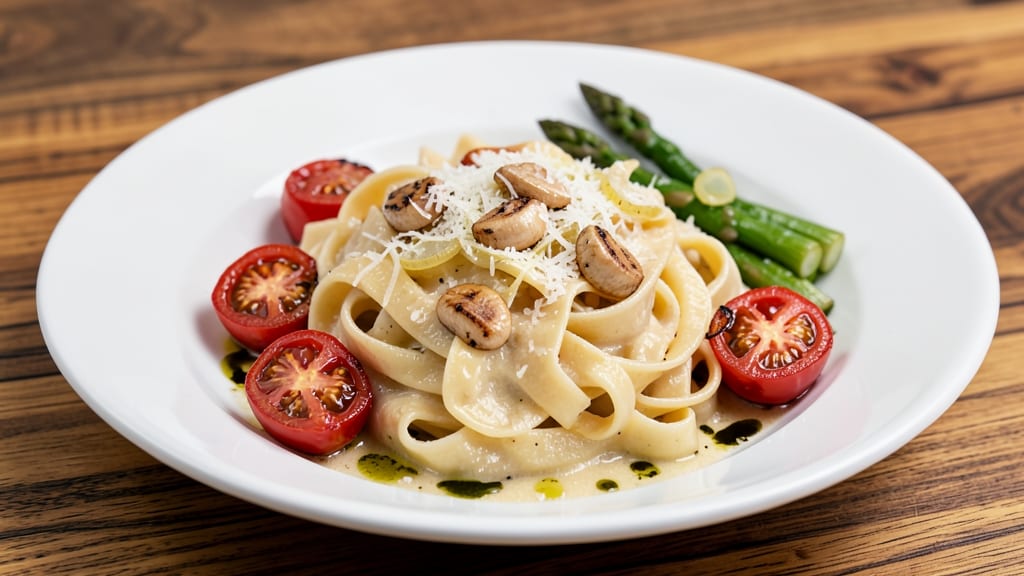
This alfredo sauce pasta with vegetables recipe delivers restaurant-quality comfort food in one elegant dish. The velvety cream sauce clings perfectly to al dente fettuccine while tender vegetables melt into every bite.
I've perfected this technique over years of testing, ensuring the sauce never breaks and the pasta stays perfectly cooked. The secret lies in a proper roux foundation that prevents curdling, combined with a balance of heavy cream and parmesan for that signature creamy texture.
Fresh vegetables like broccoli, spinach, and bell peppers add color and nutrition without overpowering the rich sauce. Optional protein like chicken or shrimp transforms this into a complete meal.
By the time you twirl that first forkful, you'll experience perfectly al dente pasta coated in a luxurious cream sauce with tender vegetables peeking through. The sauce is rich yet balanced, creamy without being overly heavy, and perfectly seasoned to complement the pasta and vegetables.
This dish is ideal for weeknight dinners or special occasions—elegant enough for company but simple enough for everyday cooking. The instructions are straightforward, and the results are consistently impressive. Let's create this creamy pasta masterpiece together.
Ingredients for alfredo sauce pasta with vegetables
Fresh pasta, velvety sauce, and vibrant vegetables—this is comfort food at its finest.
| Ingredient | Amount | Notes |
|---|---|---|
| Fettuccine Pasta 🍝 | 12 oz | Al dente preferred, dried |
| Heavy Cream 🥛 | 1 ½ cups | Full-fat for maximum creaminess |
| Unsalted Butter 🧈 | ½ cup | Cold, cut into small cubes |
| Parmesan Cheese 🧀 | 1 ½ cups | Freshly grated from block |
| Garlic Cloves 🧄 | 4 cloves | Minced, fresh preferred |
| Shallots 🧅 | 2 whole | Minced, or sub with 2 tbsp onion |
| Fresh Spinach 🌿 | 4 cups | Chopped, loosely packed |
| Red Bell Peppers 🍅 | 1 whole | Diced, any color works |
| Broccoli Florets 🥦 | 2 cups | Fresh, cut into bite-size pieces |
| Salt 🧂 | 1 ½ tsp | Diamond Crystal preferred |
| Ground Black Pepper 🌶️ | ½ tsp | Freshly ground for best flavor |
| Nutmeg 🌿 | ¼ tsp | Freshly grated for warmth |
| White Wine 🍷 | ¼ cup | Dry, optional but recommended |
The Parmesan and heavy cream are non-negotiable for that signature Alfredo texture. Grab a wedge of Parmigiano-Reggiano from the deli counter—it's worth the extra cost. For the heavy cream, full-fat is a must—anything lighter will break the sauce. The butter should be cold when you add it to the roux (trust me on this). Fresh garlic and shallots add depth, so don't skip them. I always grab mine from the fresh produce section and mince them right before cooking. The vegetables? Broccoli and bell peppers work best when cut into even pieces—they'll cook faster than the spinach, which wilts in seconds.
No white wine? Chicken or vegetable broth works in a pinch, but you'll lose that subtle acidity. Fresh spinach is ideal, but frozen works too if you thaw it first. Want to swap bell peppers? Zucchini or asparagus add great texture. The nutmeg is key—pre-ground is fine, but freshly grated gives that restaurant-quality warmth. If you're feeling fancy, add a splash of lemon juice at the end for brightness. And for the pasta? Barilla or De Cecco are my go-tos—they cook perfectly every time.
The sauce reheats beautifully—just add a splash of milk or cream to loosen it. Keeps for 3-4 days in the fridge, but honestly tastes better the next day once everything melds. For leftovers, I portion into containers with a little pasta water to keep it from drying out. Freezes for up to 3 months if you seal it tightly. Pro tip: Save your pasta water—it's liquid gold for adjusting sauce consistency.
Why You'll Love This Recipe
- Here’s what sold me: this pasta improves the next day. The sauce thickens just enough to cling to the noodles, and the flavors deepen. Pack it for lunch or reheat it with a splash of milk to loosen it up—it’s my go-to for busy mornings. (Yes, even on a Tuesday night.)
- One-Pot Magic: I swear by this recipe because it’s actually one-pan—no saucepan mess. Toss the cooked fettuccine right into the skillet with melted butter, garlic, and heavy cream while it’s still hot, and let the residual heat blend everything into creamy perfection. Five minutes later, you’re done.
- Garlic-Parmesan Bomb: That first bite of buttery, garlicky cream clinging to al dente fettuccine? Chef’s kiss. The secret’s in the ratio—just enough heavy cream to coat without drowning, and freshly grated Parmesan that melts into the sauce instead of sitting on top. It’s rich but not heavy, tangy but not overpowering.
- Leftover Goldmine: Here’s what sold me: this pasta improves the next day. The sauce thickens just enough to cling to the noodles, and the flavors deepen. Pack it for lunch or reheat it with a splash of milk to loosen it up—it’s my go-to for busy mornings. (Yes, even on a Tuesday night.)
Step-by-step instructions for creamy Alfredo pasta with vegetables
Here's how to create a restaurant-worthy Alfredo sauce that's velvety smooth and perfectly balanced with fresh vegetables.
Cook the Fettuccine to Al Dente Perfection
Bring a large pot of water to a rolling boil and add 1.5 teaspoons of salt—it should taste like the ocean. Add the 12 oz fettuccine pasta and cook according to package directions until 1 minute shy of al dente (about 11-12 minutes). This extra minute of undercooking ensures the pasta finishes cooking perfectly in the sauce.
While the pasta cooks, prepare a bowl of ice water. When the pasta is ready, drain it but reserve 1 cup of pasta water—this starchy liquid is essential for creating a silky sauce. Immediately transfer the pasta to the ice water bath for 30 seconds to stop the cooking process and prevent sticking. Drain again and set aside.
Build the Rich Alfredo Sauce Base
In a large skillet, melt the ½ cup unsalted butter over medium heat until it foams. Add the 2 whole minced shallots and 4 minced garlic cloves, cooking for 2-3 minutes until softened and fragrant—don't let them brown, or the sauce will taste bitter. Pour in the ¼ cup white wine and let it simmer for 1-2 minutes until mostly evaporated.
Reduce heat to low and gradually whisk in the 1.5 cups heavy cream, adding it slowly to prevent curdling. Stir constantly for 3-4 minutes until the mixture thickens slightly. Here's the thing—you want the sauce to coat the back of a spoon but still be pourable. If it thickens too quickly, whisk in 1-2 tablespoons of reserved pasta water to loosen it.
Incorporate the Cheese and Seasonings
Gradually sprinkle in the 1.5 cups freshly grated Parmesan cheese while whisking vigorously. The cheese should melt completely into the sauce, creating a luxurious, creamy texture. If the sauce starts to separate, add another splash of pasta water and whisk until smooth. Stir in the ½ teaspoon ground black pepper and ¼ teaspoon freshly grated nutmeg, which adds a subtle warmth that complements the richness.
Taste and adjust seasoning with additional salt if needed—remember, the pasta and vegetables will contribute to the overall flavor. Keep the sauce warm over low heat while you prepare the vegetables.
Sauté the Vegetables Separately
In a separate large skillet, heat 1 tablespoon olive oil (not listed in ingredients but recommended for this step) over medium-high heat. Add the 1 whole diced red bell pepper and 2 cups broccoli florets, cooking for 4-5 minutes until the vegetables soften but still retain a slight crispness. Season with ¼ teaspoon salt and ¼ teaspoon black pepper. Remove from heat and set aside.
In the same skillet, add another 1 tablespoon olive oil and wilt the 4 cups chopped fresh spinach over medium heat for 1-2 minutes until just tender. Season with a pinch of salt and pepper. The spinach should be bright green and slightly wilted—don't overcook it, or it'll turn mushy.
Combine Everything for the Final Dish
Return the Alfredo sauce to medium-low heat and add the cooked fettuccine, tossing gently to coat the noodles evenly. The residual heat will finish cooking the pasta perfectly. Divide the pasta among four plates, then top each serving with the sautéed vegetables. For extra richness, drizzle any remaining sauce over the top.
Garnish with additional freshly grated Parmesan cheese and a sprinkle of black pepper. Serve immediately while the sauce is still warm and creamy. The contrast of the al dente pasta, velvety sauce, and vibrant vegetables creates a harmonious balance of textures and flavors in every bite.
Pro Tips For Making Alfredo Sauce Pasta With Vegetables
- Bloom the Garlic: Slice those cloves thin—paper-thin—and let them sit in the butter for 30 seconds before stirring. I learned this the hard way: rushing it means burnt garlic, and burnt garlic ruins Alfredo. The butter should foam but not brown; if it does, you’ve gone too far.
- Salt the Pasta Water: Toss in a full tablespoon of salt before the water boils, not after. I used to wait, and the pasta always tasted bland—especially with rich Alfredo. Salted water ensures every strand absorbs flavor, and you’ll taste the difference when you drain it.
- Whisk the Cream: Heat the heavy cream slowly over medium-low, stirring constantly with a whisk—not a spoon. I skipped this once, and the sauce split like a bad soufflé. A whisk creates tiny air pockets, making the sauce silky instead of greasy.
- Grate the Parmesan Fresh: Skip the pre-grated cheese—it’s packed with anti-caking agents that turn your sauce gritty. Use a microplane or fine grater, and grate it right into the sauce off the heat. The cheese melts smoother, and the flavor hits harder. (Yes, it’s extra work, but it’s worth it.)
Perfect pairings for alfredo sauce pasta with vegetables
Creamy White Wine Pairings
An Italian Pinot Grigio from Alto Adige is my go-to white wine pairing—its crisp acidity and citrus notes cut through the richness of the Alfredo sauce beautifully. Look for one with 12-13% ABV like Santa Margherita Pinot Grigio for that perfect balance.
The wine's brightness mirrors the fresh vegetables while complementing the creamy sauce. 🍷
Crisp Lager Complements
For beer lovers, a Belgian-style witbier like Hoegaarden adds a refreshing contrast with its coriander and orange peel notes. The effervescence cleanses your palate between rich bites. Alternatively, a light Italian lager such as Peroni works perfectly—its mild bitterness enhances the dish without overpowering it.
Herbal Tea Balance
If you prefer non-alcoholic options, a lightly chilled hibiscus tea with lemon provides a tangy contrast to the creamy pasta. The floral notes from hibiscus flowers complement the nutmeg in the sauce. Brew 1 teaspoon dried hibiscus per cup with 8 oz hot water and chill before serving.
Bread Pairing Perfection
Serve with a crusty Italian loaf like Focaccia or Ciabatta to soak up any extra sauce. The bread's airy texture contrasts beautifully with the al dente pasta. For extra flair, toast the bread with garlic-infused olive oil before serving.
Dessert Contrast
Finish the meal with something light like lemon sorbet or panna cotta to cleanse your palate. The citrus notes in sorbet or the delicate vanilla in panna cotta provide a refreshing contrast to the rich Alfredo flavors. A small scoop of vanilla gelato also works wonderfully. 🍦
Nutrition facts
Frequently asked questions
Why does my Alfredo sauce get grainy or separate?
This usually happens when cheese melts too quickly or the sauce gets too hot. Always melt cheese gradually over low heat while whisking constantly. If it starts to curdle, immediately whisk in 1-2 tablespoons of reserved pasta water to restore creaminess. Using freshly grated Parmesan and adding heavy cream slowly also prevents separation.
Can I make this recipe without white wine?
Replace the ¼ cup white wine with ¼ cup chicken or vegetable broth for similar acidity. For extra depth, add ½ teaspoon lemon juice or a pinch of cream of tartar. The dish will still taste delicious—it just won't have that subtle wine complexity.
What's the best pasta shape for this dish?
Fettuccine is ideal because its flat surface clings perfectly to the creamy sauce. For variety, try pappardelle or tagliatelle—both work beautifully. Avoid small shapes like penne or rotini, as they don't hold sauce as well. The wider noodles create that signature "draped in sauce" effect.
How can I add protein without making the dish too heavy?
For a light touch, add ½ pound of shrimp (sautéed for 2-3 minutes until pink) or ½ pound of grilled chicken breast (sliced thin). Cook protein separately and toss it in just before serving. This keeps the dish balanced while adding substance. Pro tip: Season protein with ½ teaspoon Italian seasoning before adding.
Can I make this ahead of time?
Yes! Prepare the sauce up to 2 days ahead and store it in an airtight container. Reheat gently over low heat, stirring in 1-2 tablespoons of milk or cream to restore creaminess. Cook the pasta and vegetables fresh before combining. The flavors actually improve overnight as everything melds.