
Sauces & Condiments
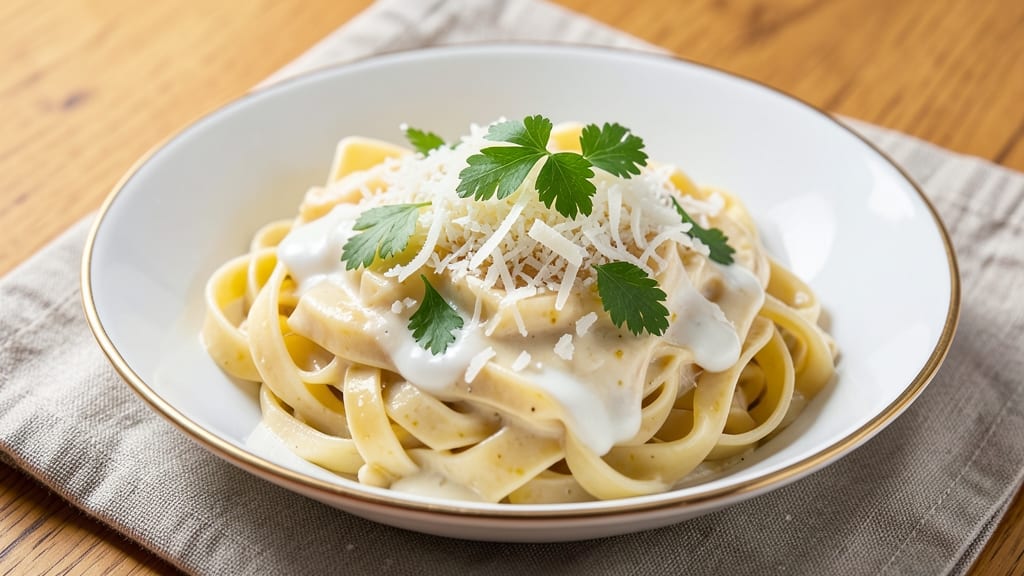
This Alfredo pasta recipe with ready-made sauce proves you don’t need fancy techniques to create restaurant-quality creamy pasta in just 15 minutes. The secret lies in balancing the sauce with perfectly cooked pasta and a touch of freshness—no heavy cream or complicated steps required.
I’ve perfected this method over years of weeknight dinners, where quick meals still taste indulgent.
The beauty of this approach is its simplicity: boil your pasta, warm the sauce, and combine them in one pan for a velvety finish. A sprinkle of Parmesan and fresh parsley elevates the dish without overpowering the creamy base.
The sauce’s richness shines when paired with al dente noodles, creating a harmonious texture that’s both satisfying and effortless.
What you’ll end up with is a dish that’s creamy, comforting, and ready in record time—ideal for busy nights when you still want to feel like you’ve cooked a gourmet meal.
The sauce’s natural flavors are enhanced by the pasta’s starch, making every bite richer than expected. This recipe proves shortcuts can still deliver big results.
Whether you’re feeding a family or treating yourself, this one-pan method ensures minimal cleanup and maximum flavor. Garnish with extra cheese or herbs to suit your taste, and you’ll have a dish that feels special without the fuss. Let’s get started on this creamy dream.
Ingredients for alfredo pasta recipe with ready made sauce
Pantry staples plus a few fresh touches. Ready-made sauce makes this creamy dream possible.
| Ingredient | Amount | Notes |
|---|---|---|
| Fettuccine Pasta 🍝 | 12 oz | Al dente preferred, any shape works |
| Jarred Alfredo Sauce 🍅 | 2 cups | Store-bought, high-quality preferred |
| Unsalted Butter 🧈 | 2 tbsp | Full-fat for creaminess, room temperature |
| Fresh Parsley 🌿 | ¼ cup | Chopped, for freshness and garnish |
| Parmesan Cheese 🧀 | ½ cup | Freshly grated from block, not pre-shredded |
| Heavy Cream 🥛 | ¼ cup | Warmed for smooth sauce blend |
| Garlic Cloves 🧄 | 2 cloves | Minced, for subtle depth |
| Salt 🧂 | ½ tsp | Kosher or sea salt, adjust to taste |
| Black Pepper 🌶️ | ¼ tsp | Freshly ground for best flavor |
| Olive Oil 🫒 | 1 tbsp | For preventing sticking, light flavor |
| Red Pepper Flakes 🌶️ | ¼ tsp | Optional, for subtle heat |
The Parmesan is where flavor happens. Grab a wedge from the deli counter—pre-shredded gets clumpy and lacks depth. I always buy more than needed since it keeps forever. For the pasta, fettuccine or tagliatelle work best, but any shape in the 12-ounce range fits. The jarred Alfredo sauce? Rao's or Barilla are my go-tos—they're creamy without being overly heavy. If yours is watery, simmer it uncovered for 2-3 minutes to thicken it up.
No heavy cream? Warm the jarred sauce with a splash of milk instead—it won't be as rich, but still delicious. Short on fresh parsley? Dried Italian seasoning at half the amount gets you close, though it won't have the same pop. The butter matters here—full-fat is non-negotiable for that velvety texture. If you're feeling fancy, add a splash of white wine when warming the sauce. For the garlic, two cloves is perfect, but don't skip it—it's the secret to restaurant-quality flavor.
Pasta water is liquid gold—save about 1 cup before draining. The sauce reheats beautifully, so double the batch if you're feeding a crowd. Store leftovers in an airtight container for 3-4 days. I like to portion mine into individual containers—perfect for quick lunches. The cheese gets stale fast, so wrap the wedge in parchment paper and store in the fridge. Fresh parsley keeps for 5 days in a damp paper towel.
Why You'll Love This Recipe
- No-Fuss Weeknight Win: I swear by this when I’m too tired to measure spices. Toss fettuccine in boiling water, dump in the jarred sauce, and stir—that’s it. The butter and parsley at the end add just enough brightness to make it feel intentional, even when it’s not.
- Rich Without Effort: Honestly, the jarred sauce is already creamy and garlicky, but swirling in fresh parsley and a pat of butter? That’s where it becomes ridiculously good. The parmesan on top isn’t just for looks—it’s the salty, sharp finish that makes me go back for seconds.
- Leftovers That Don’t Suck: Between us, most pasta leftovers are sad. Not this one. The sauce clings to the fettuccine perfectly, so reheating it later? Still velvety, not gloppy. I’ll pack half for lunch the next day—no one ever complains.
- Budget Comfort Food: This is my go-to when I’m broke but still want to feel fancy. Jarred sauce cuts costs, but the butter and parmesan make it taste like I splurged. Plus, the fresh parsley gives it a little je ne sais quoi—without breaking the bank.
Step-by-step instructions for Alfredo pasta recipe with ready-made sauce
Here's how to turn jarred Alfredo sauce into a restaurant-quality creamy masterpiece in record time.
Cook the Pasta to Al Dente Perfection
Bring a large pot of water to a rolling boil and add 1 tablespoon of salt—it should taste like the ocean. Add the 12 oz fettuccine pasta and cook according to package instructions, but stop cooking 1 minute before it reaches al dente. You want it slightly underdone because it'll finish cooking in the sauce.
While the pasta cooks, keep an eye on it. You'll know it's ready when you taste a piece and it has a slight bite to it—this ensures it won't turn mushy when mixed with the sauce. Reserve ½ cup of pasta water before draining, as this starchy liquid will help create a silky sauce. Drain the pasta and set it aside in the pot, but don't rinse it—those surface starches are what make the sauce cling perfectly.
Build the Ultimate Creamy Sauce
In a large skillet over medium heat, melt the 2 tablespoons unsalted butter until it foams. Add the 2 cloves minced garlic and sauté for 30 seconds until fragrant—this adds depth without overpowering the sauce. Pour in the 2 cups jarred Alfredo sauce and stir to combine with the butter and garlic.
Next, add the 0.25 cup warmed heavy cream and stir well. Let the mixture simmer gently for 2-3 minutes until it begins to thicken slightly. If the sauce looks too thick, add 1-2 tablespoons of reserved pasta water to loosen it to your desired consistency. This step is where the magic happens—the cream and pasta water blend creates a velvety texture that jarred sauce alone can't achieve.
Combine Pasta and Sauce for Maximum Creaminess
Add the drained pasta to the skillet with the sauce and toss gently to coat each strand evenly. Stir in the 0.5 cup freshly grated Parmesan cheese and the 0.25 cup chopped fresh parsley. The cheese should melt smoothly into the sauce, creating a luxurious, cheesy finish. If the sauce seems too thick after adding the pasta, add more reserved pasta water 1 tablespoon at a time until it reaches that perfect creamy consistency.
Let the pasta sit in the sauce for 1-2 minutes off the heat. This resting period allows the flavors to meld together completely. Taste and adjust seasoning with additional salt or black pepper if needed. The dish should be rich, creamy, and perfectly seasoned—no blandness here!
Finish with Flavor and Garnish
Return the skillet to low heat and stir in the 0.25 teaspoon red pepper flakes (if using) for a subtle kick. The heat will distribute evenly throughout the sauce. Taste again and make any final adjustments to seasoning—this is your chance to perfect the flavor before serving.
Divide the creamy pasta among serving plates and garnish with an extra sprinkle of fresh parsley and grated Parmesan cheese. The vibrant green of the parsley against the creamy sauce makes it look as good as it tastes. Serve immediately while still hot—this dish doesn't wait, and every bite should be a creamy, cheesy delight.
Pro Tips For Making Alfredo Pasta Recipe With Ready Made Sauce
- Reserve That Starch Water: When draining your fettuccine, don’t dump that cloudy pasta water—keep about ½ cup. Jarred Alfredo sauce can get thick when tossed with dry pasta, and a splash of starchy water loosens it up instantly while adding that silky texture real Alfredo has. (Yes, even if you’re using pre-made sauce, this makes a real difference.)
- Salt the Pasta Water: Jarred Alfredo sauce is already salty, but unsalted butter and fresh parsley won’t balance it if your pasta tastes bland. Use 1½ tablespoons of salt in 4 quarts of water—more than you think, especially if you’re adding extra Parmesan later. Taste the pasta before draining; it should be noticeably salty.
- Warm the Jar First: Cold jarred Alfredo sauce dumped on hot pasta makes a sad, clumpy mess. Microwave the sauce for 30 seconds or warm it in a saucepan over low heat before mixing—just until it’s lukewarm. This also helps the sauce cling better to the fettuccine instead of separating. (I learned this the hard way after serving a plate that looked like a science experiment.)
- Toast the Parsley: Skip the raw parsley garnish—it just sits there looking sad. Instead, heat a dry pan over medium-low, add the chopped parsley with a pinch of salt, and stir for 20 seconds until fragrant. The leaves will curl slightly, and the flavor will pop against the creamy sauce. (Sounds weird, but it works—trust me.)
Troubleshooting this dish
Sauce Too Thin?
If your jarred Alfredo sauce looks watery, don’t panic—simmer it uncovered in a saucepan over medium heat for 2-3 minutes to evaporate excess moisture. For extra thickness, stir in 1 tablespoon cornstarch mixed with 2 tablespoons cold water and let it bubble for 30 seconds.
The key is patience—rushing will make it grainy. 🔥
Pasta Too Dry?
Overcooked pasta soaks up sauce like a sponge. Fix it by adding ¼ cup reserved pasta water and tossing vigorously. For extra creaminess, stir in 1 tablespoon butter or 1 tablespoon heavy cream while off the heat.
The starch in pasta water is your secret weapon for restoring that velvety texture. ✨
Sauce Separating?
If your sauce splits into layers, whisk in 1 tablespoon flour or 1 teaspoon cornstarch while heating gently. For a smoother fix, blend ½ cup of the sauce with 2 tablespoons pasta water until silky, then stir it back in.
The heat and starch work together to re-emulsify the sauce naturally. 💫
Cheese Not Melting?
Freshly grated Parmesan should melt smoothly, but if it clumps, add 1 tablespoon warm water or 1 tablespoon cream while stirring. For extra help, lower the heat to low and let the cheese melt gradually—rushing causes lumps. A splash of lemon juice (just ½ teaspoon) also prevents clumping. 🧀
Sauce Too Heavy?
If your sauce feels too rich, balance it with ¼ cup chicken broth or pasta water to lighten the texture. For a brighter flavor, stir in 1 tablespoon fresh lemon juice or 1 teaspoon white wine vinegar. The acidity cuts through the richness without overpowering. 💡
Pasta Sticking?
Prevent sticking by tossing hot pasta with 1 tablespoon olive oil or 1 tablespoon butter before adding sauce. If it’s already stuck, cover the pan with a lid and let it steam for 1 minute to loosen.
A wooden spoon helps scrape up any stubborn bits without breaking the strands. 🍝
Nutrition facts
Frequently asked questions
Can I use any pasta shape with this recipe?
While fettuccine or tagliatelle work best for their flat surfaces that hold sauce well, you can use any shape like penne, rigatoni, or even spaghetti. The key is to cook it 1 minute less than package instructions so it finishes cooking in the creamy sauce.
How do I make this recipe lighter?
Swap the heavy cream for ½ cup evaporated skim milk and use low-fat Parmesan. Add 1 tablespoon Greek yogurt to the sauce for creaminess without extra fat. The sauce will still be rich but with fewer calories.
Can I add protein to this dish?
Toss in ½ pound cooked chicken breast, shrimp, or crispy bacon bits at the end. For extra flavor, sauté the protein first with garlic before adding to the sauce. The heat will carry through perfectly.
Why does my sauce get watery when I add pasta?
Pasta releases starch when cooked, which absorbs into the sauce. To prevent this, add the pasta to the sauce off the heat and toss immediately. If it still gets watery, simmer the sauce for 1-2 extra minutes before adding the pasta.
How can I make this dish ahead of time?
Cook the pasta and sauce separately, then refrigerate in airtight containers for up to 2 days. Reheat gently on the stove with 1-2 tablespoons pasta water to restore creaminess. For best texture, serve within 1 hour of reheating.