
Sauces & Condiments
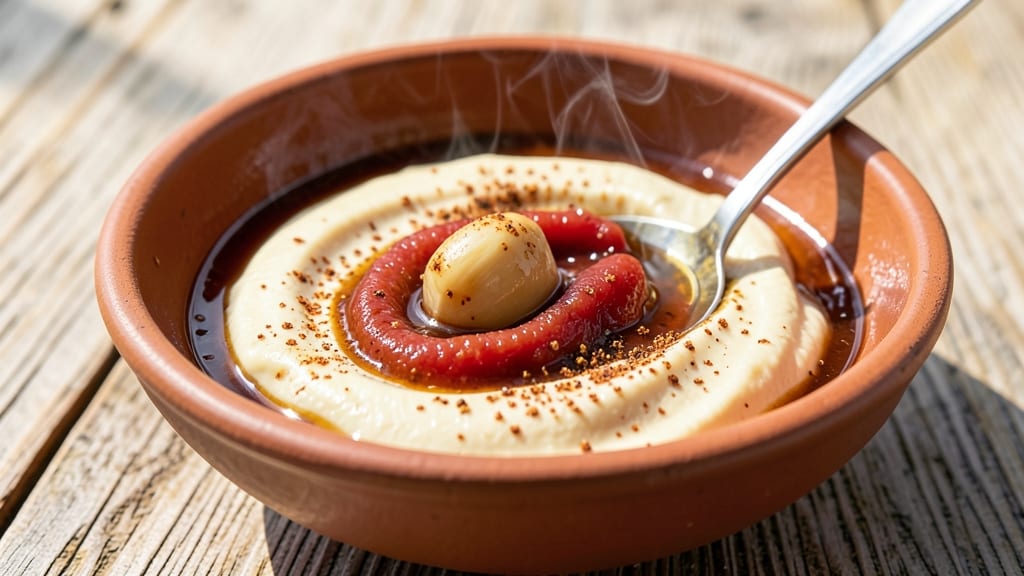
This African BBQ sauce recipe transforms your grill into a flavor explosion with its smoky peanut and tamarind heat. 🔥 After years of perfecting smoky rubs, I developed this sauce to bring bold African spices to every dish—whether you're marinating meats or glazing vegetables.
The secret lies in balancing sweet tamarind, rich peanut butter, and fiery berbere spice for a sauce that's complex yet approachable. What sets this sauce apart is its versatility—use it as a marinade for chicken or ribs, a glaze for grilled vegetables, or even a bold dip for fries.
The sauce thickens beautifully when simmered, creating a glossy finish that caramelizes beautifully on the grill. I've tested it on everything from beef to tofu, and it delivers deep, smoky-sweet flavor every time.
The ingredients are simple but powerful: tomatoes for acidity, peanut butter for richness, and tamarind paste for that signature tangy depth. Berbere spice adds the heat, while smoked paprika brings the smoky backbone.
What you'll end up with is a sauce that's restaurant-quality but made with pantry staples and a little patience. Store it in the fridge for up to two weeks, or freeze for longer shelf life.
This isn't just another BBQ sauce—it's a flavor journey that turns ordinary meals into something extraordinary. Let's get started!
Ingredients for african bbq sauce
Pantry staples meet bold African flavors in this smoky-sweet sauce masterpiece.
| Ingredient | Amount | Notes |
|---|---|---|
| Peanut Butter 🥜 | ½ cup | Natural, unsweetened preferred |
| Tamarind Paste 🍈 | ⅓ cup | Block or jarred, not powdered |
| Tomato Paste 🍅 | ½ cup | San Marzano preferred for depth |
| Berbere Spice 🌶️ | 2 tbsp | African chili blend, adjust heat |
| Smoked Paprika 🌶️ | 1 tbsp | For authentic smoky flavor |
| Garlic Cloves 🧄 | 4 cloves | Freshly minced for strong flavor |
| Ginger Root 🌿 | 1 tbsp | Freshly grated, aromatic kick |
| Apple Cider Vinegar 🍎 | ¼ cup | For tangy brightness |
| Honey 🍯 | 2 tbsp | Balances heat and sweetness |
| Olive Oil 🫒 | ¼ cup | Extra-virgin for richness |
| Salt 🧂 | 1 tsp | Diamond Crystal preferred |
| Black Pepper 🌶️ | ½ tsp | Freshly ground for heat |
The peanut butter is non-negotiable here—natural, unsweetened gives the best texture and flavor. Trader Joe's or Whole Foods have great options, but any store-brand works if it's creamy. Tamarind paste can be tricky to find; Asian markets usually carry it in blocks or jars. If you can only find powdered, dissolve it in warm water first. The berbere spice is the heart of this sauce—look for brands like Mitkeme or Afar Spice for authentic heat. Smoked paprika adds that signature smoky depth, but don't skip it—it's what makes this sauce stand out from regular BBQ sauce.
No tamarind? Lime juice plus a pinch of sugar gets you close, though it won't be identical. Short on peanut butter? Substitute tahini at the same amount—it's got a similar richness. The honey can be swapped for maple syrup if you're avoiding it, though it'll taste slightly different. Fresh ginger and garlic are ideal, but powdered works in a pinch. For extra smokiness, add a dash of liquid smoke (about ½ tsp). The tomato paste? San Marzano is worth the splurge—it's sweeter and smoother than regular brands, giving your sauce that restaurant-quality depth.
This sauce thickens as it cools, so stir in a splash of water if it gets too stiff. Keeps in the fridge for 2 weeks in a sealed jar, or 6 months frozen. I like to make a big batch—it's perfect for marinating chicken or ribs, glazing veggies, or even drizzling over grilled tofu. The flavors actually get better after a day or two as everything melds together. Store it in a glass jar with a tight lid to keep out moisture, and give it a quick stir before each use.
Why You'll Love This Recipe
- Pantry Magic: I swear by this sauce because it’s made with things I already have—peanut butter, tomato paste, even that jar of tamarind paste gathering dust. No specialty store runs required.
- Smoky-Sweet Heat: That berbere spice and smoked paprika combo? It’s the kind of flavor that sticks with you—deep, slightly spicy, but with a creamy peanut undertone that balances it perfectly. (Yes, even on a Tuesday night.)
- Dips & Glazes: Slather it on grilled chicken, toss it with roasted veggies, or just eat it with chips—this sauce doesn’t play favorites. Honestly, I’ve used it for everything from weeknight dinners to potluck showstoppers.
- Leftovers That Work: Make a double batch and store it in the fridge. It thickens up nicely, so just stir in a splash of water or broth when you’re ready to use it again. My freezer’s full of jars of this stuff—because it’s just that reliable.
Step-by-step instructions for smoky peanut and tamarind BBQ sauce
Here's how to blend bold African flavors into a sauce that's perfect for grilled meats and roasted veggies.
🍳 Step 1: Bloom the Spices in Olive Oil
Heat the 0.25 cup olive oil in a medium saucepan over medium-low heat. Add the 2 tbsp berbere spice and 1 tbsp smoked paprika, stirring constantly for 1-2 minutes until the spices release their deep, aromatic oils and the mixture smells earthy and slightly smoky.
This step is where the magic happens—I never skip it. The spices need time to warm and open up their flavors before we add the wet ingredients. Watch carefully; the berbere can burn quickly if the heat gets too high. You'll see the spices darken slightly, which means they're releasing their maximum flavor potential.
👨🍳 Step 2: Add Aromatics and Cook Until Fragrant
Push the spices to one side of the pan and add the 4 cloves minced garlic and 1 tbsp grated ginger root. Stir for 30 seconds until the garlic turns golden around the edges—this is your signal it's ready. Then stir everything together and cook for another 1 minute until the raw garlic smell disappears completely.
Here's the thing—ginger and garlic can be tricky. If you smell any bitterness, you've overcooked them. The moment they become fragrant but not browned is perfect. This aromatic base forms the flavor foundation for everything we'll add next. I like to taste the spices at this stage to check the heat level—adjust with more berbere if needed.
🥘 Step 3: Build the Sauce Base with Wet Ingredients
Reduce the heat to low and add the 0.5 cup peanut butter, stirring constantly to create a smooth paste. Then add the 0.33 cup tamarind paste, 0.5 cup tomato paste, 0.25 cup apple cider vinegar, and 2 tbsp honey. Stir vigorously for 3-4 minutes until everything combines completely and the sauce begins to thicken.
The tamarind paste might look weird at first—it's sticky and dark. But trust me, it's essential for that authentic tangy-sweet balance. As the sauce thickens, you'll notice the peanut butter emulsifying with the other ingredients. If it looks too thick, add 1-2 tablespoons of water to help it come together smoothly. This is where the sauce transforms from separate ingredients to a cohesive blend.
🔥 Step 4: Simmer and Reduce for Depth of Flavor
Increase the heat to medium and bring the sauce to a gentle simmer. Let it cook uncovered for 10-12 minutes, stirring occasionally, until it reduces by about 25% and becomes thick enough to coat the back of a spoon. The sauce should smell complex—smoky, sweet, tangy, and slightly spicy all at once.
This reduction step is crucial for developing the sauce's depth. You'll see the surface develop a glossy sheen, which means the moisture is evaporating and concentrating the flavors. Taste it now—it should be balanced but still need seasoning. If it's too sweet, add a splash more vinegar. If it's too tangy, add a pinch more honey. The sauce should be thick enough to cling to foods but still pourable.
⏰ Step 5: Finish with Seasoning and Rest
Remove the pan from heat and stir in the 1 tsp salt and 0.5 tsp black pepper. Let the sauce sit off the heat for 5 minutes—this resting period allows all the flavors to meld together perfectly. The sauce will thicken slightly more as it cools, so don't worry if it looks a bit runny when you take it off the heat.
I always let my sauces rest before using them. This final step ensures the flavors are harmonized and the texture is just right. The sauce should be vibrant red-orange with peanut oil sheening on top. If you're not using it immediately, transfer to a clean jar and store in the refrigerator for up to 2 weeks. This sauce gets even better after a day or two as the flavors continue to develop.
Pro Tips For Making African Bbq Sauce
- Bloom the Berbere: Toss the berbere spice into your hot oil first—let it sizzle and sing for 30 seconds before adding anything else. I learned this the hard way: skipping this step means your sauce tastes like dusted spices instead of bold, toasted flavor. (Yes, even if you’re impatient like me.)
- Thin the Peanut Butter: Warm the peanut butter with a splash of water or vinegar before stirring it into the sauce—about 2 tablespoons per ½ cup. Cold peanut butter clumps like glue, and no one wants to scrape peanut butter off their whisk. Trust me, this makes blending smoother.
- Balance the Tamarind: Taste your tamarind paste first—some brands are tart enough to pucker, others taste like weak tea. Mix it with a pinch of sugar (or honey) before adding to the sauce, then adjust as you go. You’re aiming for bright acidity, not a mouthful of vinegar.
- Simmer, Don’t Boil: Keep the sauce at a gentle simmer once everything’s combined—too much heat turns the peanut butter greasy and the tomato paste mealy. A low, steady bubble lets the flavors meld without breaking. (Your future self will notice the difference.)
Serving suggestions for this african bbq sauce
Grilled Meat Mastery
This sauce is a game-changer for grilled meats—especially chicken thighs and ribs. Brush it on during the last 10-15 minutes of grilling for a caramelized crust. I love using it on bone-in chicken because the sauce clings to every surface, creating a sticky, flavorful bark.
For ribs, apply it after the fall-off-the-bone stage and broil for 2-3 minutes to intensify the flavors. 🔥
Pro tip: Preheat your grill to medium-high heat (400°F) before applying the sauce. The high heat helps develop the Maillard reaction, giving your meat that perfect charred flavor. For extra smokiness, add a sprinkle of coarse sea salt right before serving—it enhances the peanut and tamarind notes beautifully.
Vegetable Glazes
Don't limit this sauce to meats—it's fantastic on grilled vegetables too. Toss eggplant slices, bell peppers, or portobello mushrooms in 1 tbsp olive oil and grill until tender. Then brush with the sauce and finish under the broiler for 1-2 minutes to create a glossy, sticky glaze.
I especially love this with grilled zucchini—the sauce's smokiness pairs perfectly with the vegetable's natural sweetness.
For a complete meal, serve grilled veggies alongside the meats. The sauce's rich peanut flavor contrasts beautifully with the earthiness of roasted vegetables. If you're serving a crowd, double the recipe—it disappears fast when used as both a marinade and a glaze. 🌱
Dipping Sauce
Thin the sauce with 1-2 tbsp water and serve it as a dip for fried plantains, crispy tofu, or grilled shrimp skewers. The tamarind and peanut combination creates a perfect balance of sweet, tangy, and spicy.
I like to serve it at room temperature for a more authentic African street-food vibe. For extra crunch, sprinkle toasted peanuts on top right before serving.
This sauce also works as a marinade for shrimp or calamari. Toss them in the sauce for 30 minutes before grilling—they'll come off the grill with a perfect char and a flavorful crust.
The peanut butter adds richness, while the tamarind keeps the dish from being too heavy. It's a crowd-pleaser that feels both exotic and familiar. 🍤
Breakfast Twist
Yes, you read that right—this sauce is amazing on breakfast dishes! Drizzle it over grilled cheese sandwiches made with sourdough and sharp cheddar, or spread it on toasted brioche with a fried egg on top.
The smoky-sweet flavors add a unique twist to classic breakfast staples. I also love using it as a dip for breakfast potatoes—the peanut butter gives them a rich, savory depth. 🍳
For a heartier breakfast, try it on grilled chicken sausage or smoked turkey bacon. The sauce's complexity elevates simple breakfast meats into something extraordinary. If you're feeling adventurous, mix it into scrambled eggs for a flavor-packed brunch dish that'll surprise your guests.
Nutrition facts
Frequently asked questions
Can I make this sauce without tamarind paste?
If you can't find tamarind, mix 3 tbsp lime juice with 1 tsp sugar as a substitute. This won't be identical but will still give you that tangy brightness. For a deeper African flavor, try 1 tbsp date syrup instead—it adds complexity without the sourness. The sauce will taste slightly different but still delicious.
How do I adjust the heat level?
Start with the full 2 tbsp berbere spice for medium heat. For milder sauce, reduce to 1 tbsp, or ½ tbsp for very mild. If you love spice, add ½ tsp cayenne pepper or a pinch of red pepper flakes. Always taste as you go—you can't overdo it with heat, but you can't take it out once it's in!
Can I use this sauce as a marinade?
Yes! This sauce marinates beautifully—just thin it with 2 tbsp water per ½ cup sauce to create a pourable consistency. Let chicken or beef marinate for 2-4 hours (or overnight for deeper flavor). The peanut butter and tamarind will tenderize while adding incredible depth. For fish, marinate for only 30-45 minutes to avoid overcooking.
Why does my sauce look too thick?
Sauces naturally thicken as they cool, but if it's too stiff while still warm, stir in 1-2 tbsp water to loosen it. For a glossier finish, simmer uncovered for an extra 2-3 minutes to reduce any excess moisture. If it separates, whisk vigorously or blend briefly to re-emulsify. The perfect consistency should coat the back of a spoon but still be pourable.
What's the best way to store leftovers?
Transfer to a clean, airtight glass jar and store in the fridge for up to 2 weeks. For longer storage, freeze in ice cube trays (thaw as needed) or in a jar (leave ½-inch headspace). The sauce actually improves with age—flavors meld beautifully after 24 hours. Always stir before using, as the peanut oil may separate slightly during storage.